
- Free November writing challenges 2026 for students: what to verify before you start
- What "low-barrier" means, and four things to check separately
- November PAD Chapbook Challenge 2026: no sign-up required
- BBC 500 Words 2026/27: confirm before you commit
- Build a free November writing plan for classrooms
- Other November options not counted here
- What to verify this week
Free November writing challenges 2026 for students: what to verify before you start
Looking for free November writing challenges 2026 for students? Writer's Digest's November PAD Chapbook Challenge opens November 1 and skips registration entirely, according to Writer's Digest's guidelines. The BBC's 500 Words story competition is also open now, with an entry deadline of Friday, November 6, at 9 p.m., according to BBC Newsround.
A third path isn't a contest at all: a self-directed classroom writing plan that families and teachers can adapt without entering any outside program.
None of the sources reviewed for this guide confirm that PAD or 500 Words is free from entry to finish line. Call both low-barrier to join, not free, since cost questions for later steps remain open. The sections below spell out what's documented for each option and what still needs a direct check before a student starts writing.
What "low-barrier" means, and four things to check separately
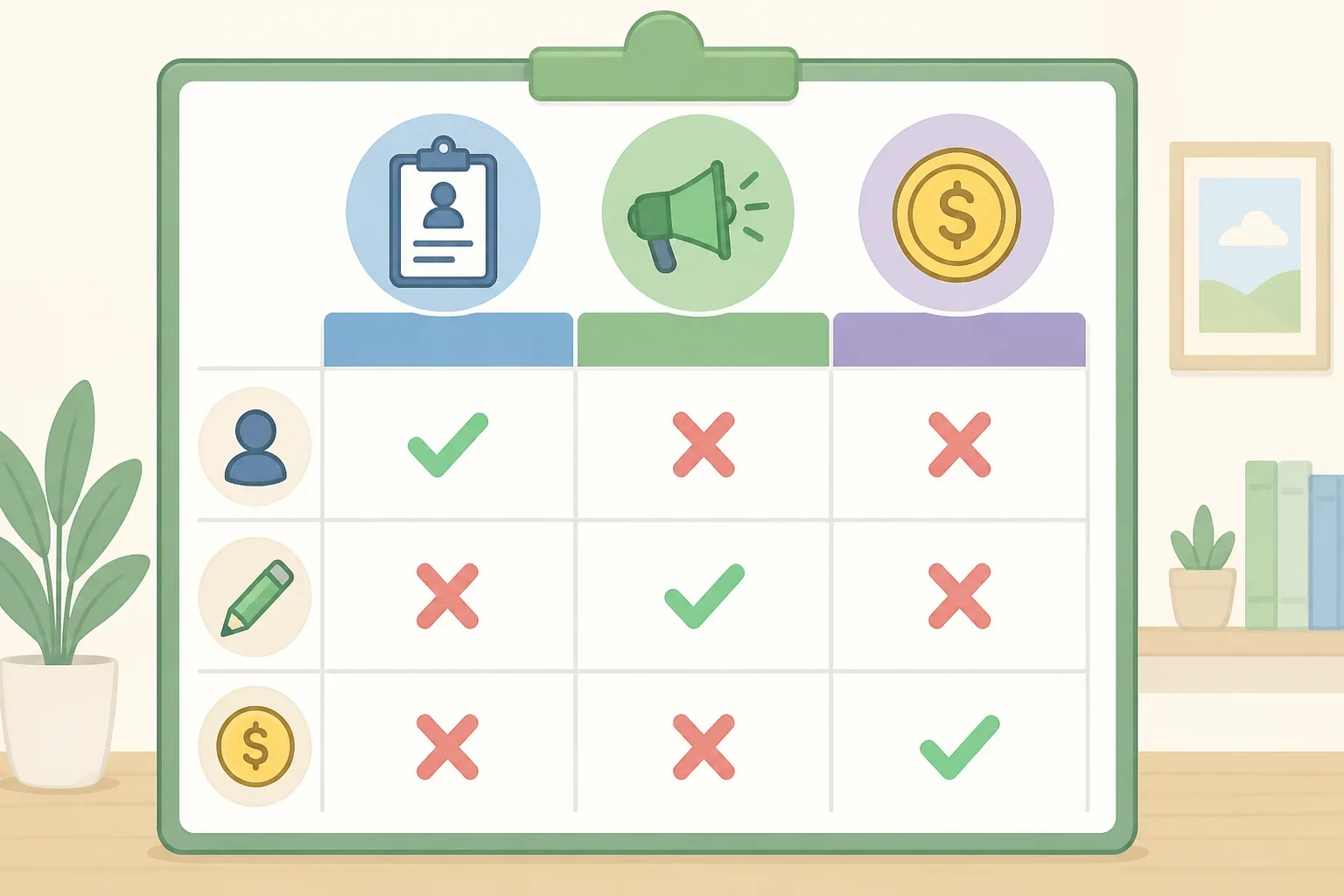
"No registration," "no public posting," "no entry fee," and "no submission fee" describe four separate conditions. A challenge can meet one without meeting the rest.
For PAD, Writer's Digest confirms that daily participation requires neither registration nor a public post, but the guidelines stay silent on whether the optional January manuscript submission carries any charge, according to Writer's Digest. For BBC 500 Words, Newsround confirms the age categories and entry deadline but not entry cost, exact word limit, or residency requirement, according to BBC Newsround. Those are gaps this guide can't close, not oversights.
November PAD Chapbook Challenge 2026: no sign-up required
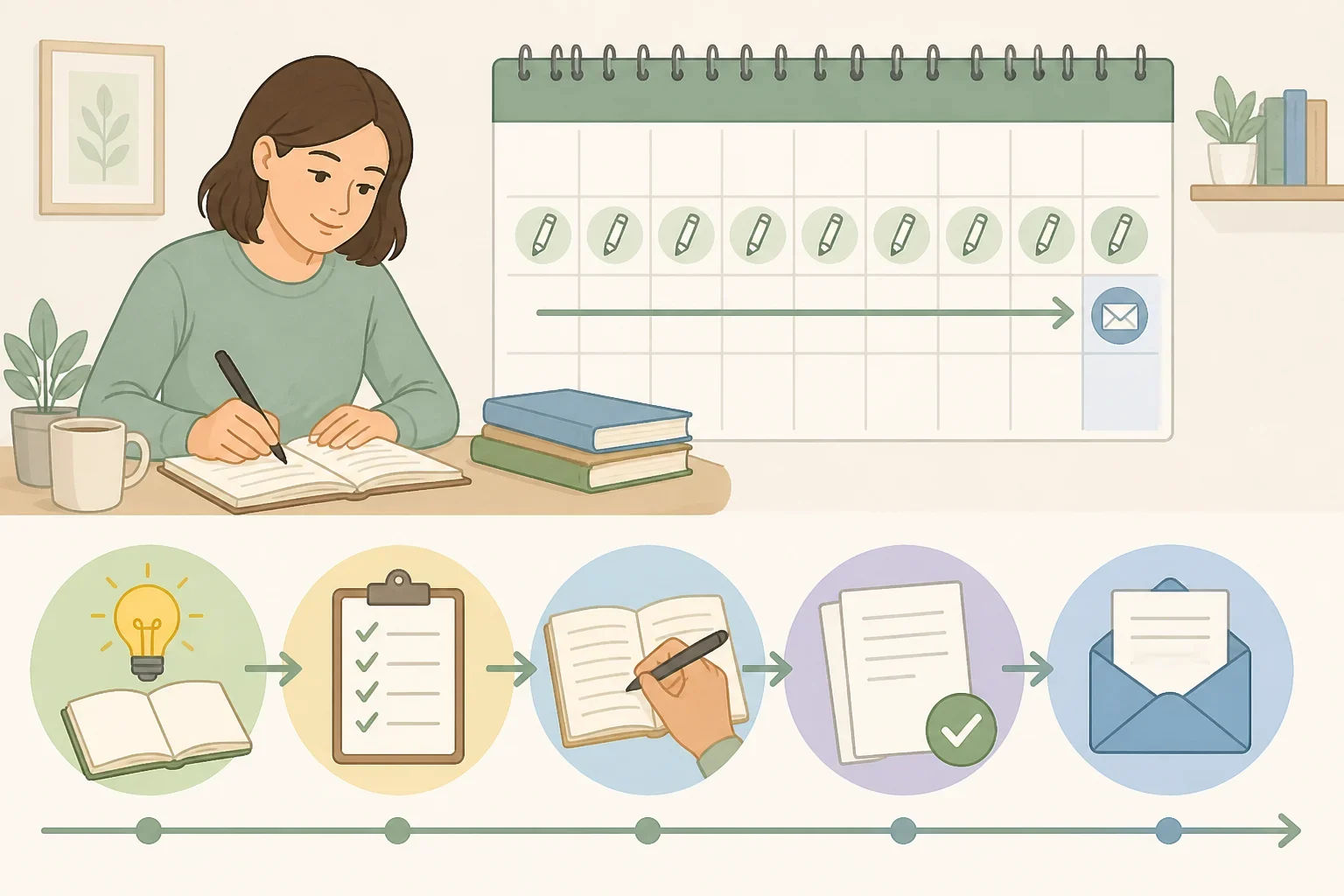
The November PAD Chapbook Challenge enters its 19th year this November, and poets don't need to register to join, according to Writer's Digest. Starting November 1 at Atlanta, Georgia time, a new prompt posts daily, with roughly 24 hours to respond with a poem; poems don't need to go public to count as participation. Anyone who starts late or falls behind can catch up instead of getting disqualified.
Beyond the daily writing, poets can assemble a chapbook manuscript of 10 to 20 pages, no more than one poem per page, and email it to rbrewer@aimmedia.com with the subject line "2026 November PAD Chapbook Challenge" by 11:59 p.m. Atlanta time on January 15, 2027, according to Writer's Digest. That submission step sits apart from daily participation, and the guidelines never mention a fee for it, so confirm cost directly with Writer's Digest before sending anything. The site says the winner will be recognized there, along with a list of honorable mentions.
PAD is built for poets generally, not a specific grade band. Parents and teachers should judge whether the daily prompts fit a particular student, and make sure the finished poem stays that student's own work.
BBC 500 Words 2026/27: confirm before you commit
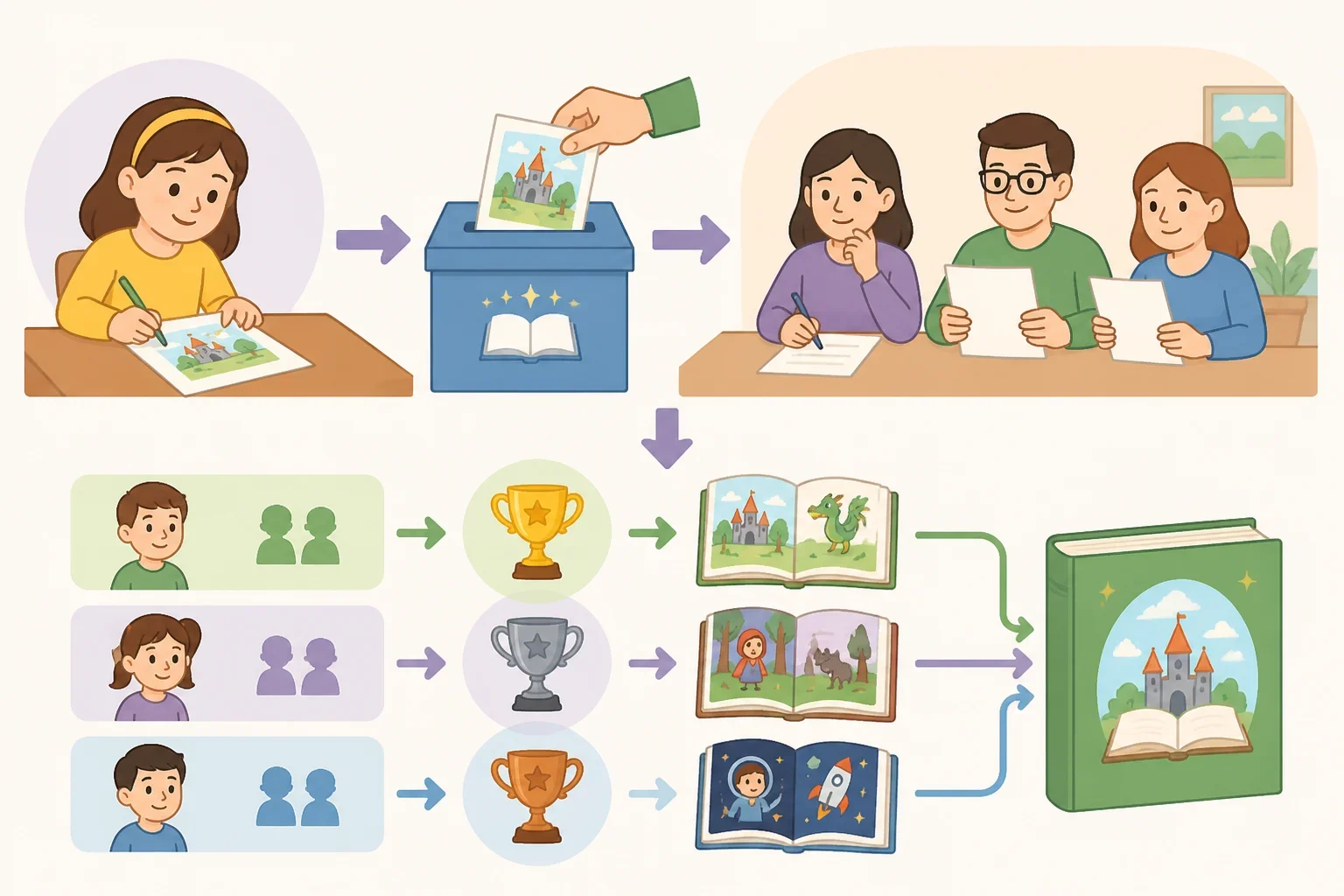
BBC describes 500 Words as the UK's largest story-writing competition for children ages 5 to 11. The 2026/27 season reopened two weeks ago, with an entry deadline of Friday, November 6, at 9 p.m., according to BBC Newsround. Entries fall into two age categories: 5-7 and 8-11.
The format could matter to younger or reluctant writers: spelling, punctuation, and grammar aren't judged, since organizers say they want entrants focused on creativity, per the report.
Recognition comes in tiers. Newsround reports that six winners, gold, silver, and bronze in each age category, receive the competition's top honors, while a much larger group, the top 25 entries per category, get their story recorded and published on the 500 Words website. That same page includes the outdated phrase "Her Majesty The Queen," so readers should check current prize details against BBC's official rules before relying on this summary. Cost, exact word limit, and residency rules aren't addressed in the Newsround report, so anyone planning to enter should confirm those details with the BBC before the November 6 deadline.
Build a free November writing plan for classrooms
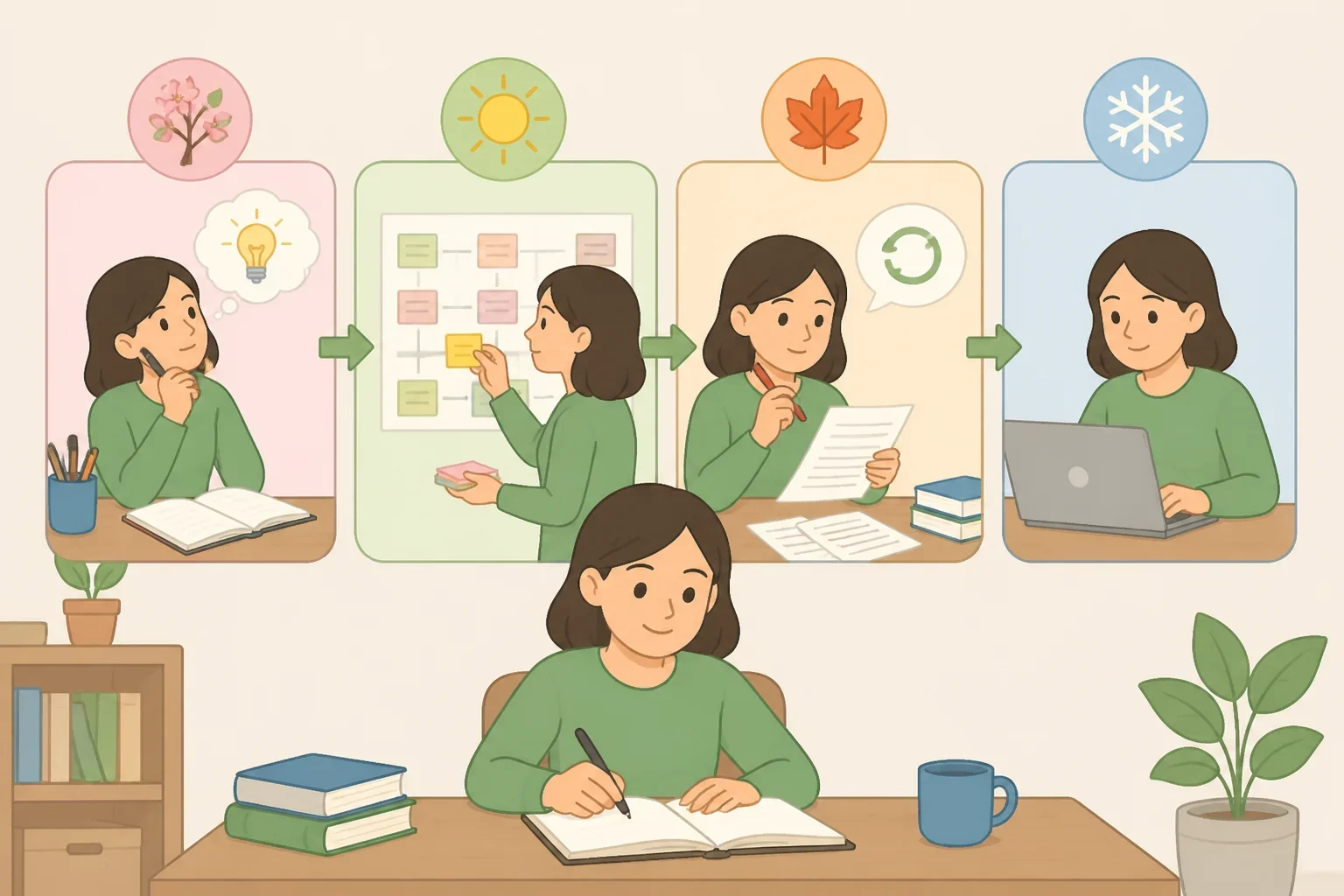
Families or classrooms that want a writing activity without entering an outside contest can borrow from an approach fifth-grade teacher Ellice Gullett has used with students for eight years, described in a 2023 interview tied to NaNoWriMo's Young Writers Program, according to the NaNoWriMo blog. Unlike PAD or BBC 500 Words, this path has no registration, no judge, and no deadline, which makes it the only option here that can honestly be called free, provided a family or classroom already has paper or a school-issued device.
Gullett's schedule separates planning from drafting. In September, students learn the basic parts of a story using a simple map. In October, each student builds an individual story map, often revising it once a missing climax or thread turns up. Drafting happens across November using that finished map, with students writing in Google Docs and Google Classroom and talk-to-text available for anyone without strong typing speed.
Sessions stayed short: 10 to 20 minutes on school days, no homework, producing stories of two to three pages, according to the NaNoWriMo interview. Gullett said she keeps the target low, because otherwise fifth graders "ramble and don't get a good story." That's one teacher's experience with one grade level, not a universal benchmark, so adults adapting the plan should set their own daily window and length goal based on a student's age, stamina, and schedule.
Revision happens after drafting, not during it. In January, students read through their drafts and fix anything glaring, trade work for two rounds of peer feedback, then get teacher comments; grammar fixes follow the teacher's plot-focused notes rather than coming first. Gullett's class later published an anthology students could buy, which made that final step a cost, unlike the free daily writing before it.
Gullett also advised setting topic boundaries before students start writing, ruling out subjects like suicide or violence involving a student, and notifying the school's computer-system monitor in advance so students aren't pulled aside over concerns about their writing's content.
Other November options not counted here
Two other programs turned up in research but aren't counted as confirmed low-barrier options here. The National Young Authors Challenge, run by Big Red Education in partnership with Penguin, advertises "pricing that scales with your submissions" alongside a school registration deadline of November 1, 2026, for grades 5 to 12, according to Big Red Education. The available research doesn't spell out what that pricing means for an individual student, so the cost stays unconfirmed.
KET's Young Writers Contest page, published last year, describes a cycle running November 14 through March 15 for students in Pre-K through 12th grade, according to KET Education. That cycle closed earlier this year, so anyone interested should confirm with KET directly whether a 2026-27 cycle has opened before planning around it.
What to verify this week
- For PAD's optional chapbook submission, contact Writer's Digest directly to confirm whether the January manuscript step carries a fee.
- For BBC 500 Words, confirm the current word limit, entry cost, and residency requirements with the BBC before the November 6 deadline, and decide whether the format suits a particular 5-to-11-year-old.
- For a self-directed November plan, check content boundaries with a student's school or family rules before drafting starts, especially on a school device or network.
- For the National Young Authors Challenge or KET's Young Writers Contest, confirm current fees and open submission windows directly with the organizer before treating either as active. Note that November 1 marks both PAD's start date and the National Young Authors Challenge's school-registration deadline, not one shared deadline across every option here.
PAD doesn't require registration, though the first prompt won't post until November 1. BBC 500 Words closes at 9 p.m. on November 6, leaving a short window to confirm entry terms for a 5-to-11-year-old. Check the PAD guidelines, BBC's official rules page, or a school's own policies before picking an option, and if building a self-directed plan, set an age-appropriate daily writing window now and decide in advance whether the finished piece will be shared, submitted, or simply kept.