
Banned Books Week 2026 classroom lesson on book bans
When a district pulls a book off the shelf, how is a student supposed to judge whether that decision held up, without just repeating whatever number showed up in an advocacy group's press release? That question drives this Banned Books Week 2026 classroom lesson, built for grades 9-12 around a skill that outlasts any single headline: separating a claim from its evidence from the context it's missing.
The timing is deliberate. Banned Books Week runs October 4-10, 2026, under the theme "Let Books Be. Protect the Freedom to Read," with October 10 marked as Let Freedom Read Day, according to ALA. PEN America released its own count today: 11,982 instances of books banned in U.S. public schools during the 2025-2026 school year, the highest single-year total since the organization began tracking bans in 2021, according to PEN America. That's the figure this lesson asks students to interrogate rather than cite.
This lesson plan offers two versions: a one-class-period activity built around a claim, evidence, and context organizer, and a multi-day extension drawing on a lesson Oklahoma's K20 Center published in 2022. Pick whichever fits the available time, since both rest on the same source-evaluation standard rather than a simple head count of articles for and against a ban.
What book bans in schools in 2025-2026 data can and cannot show
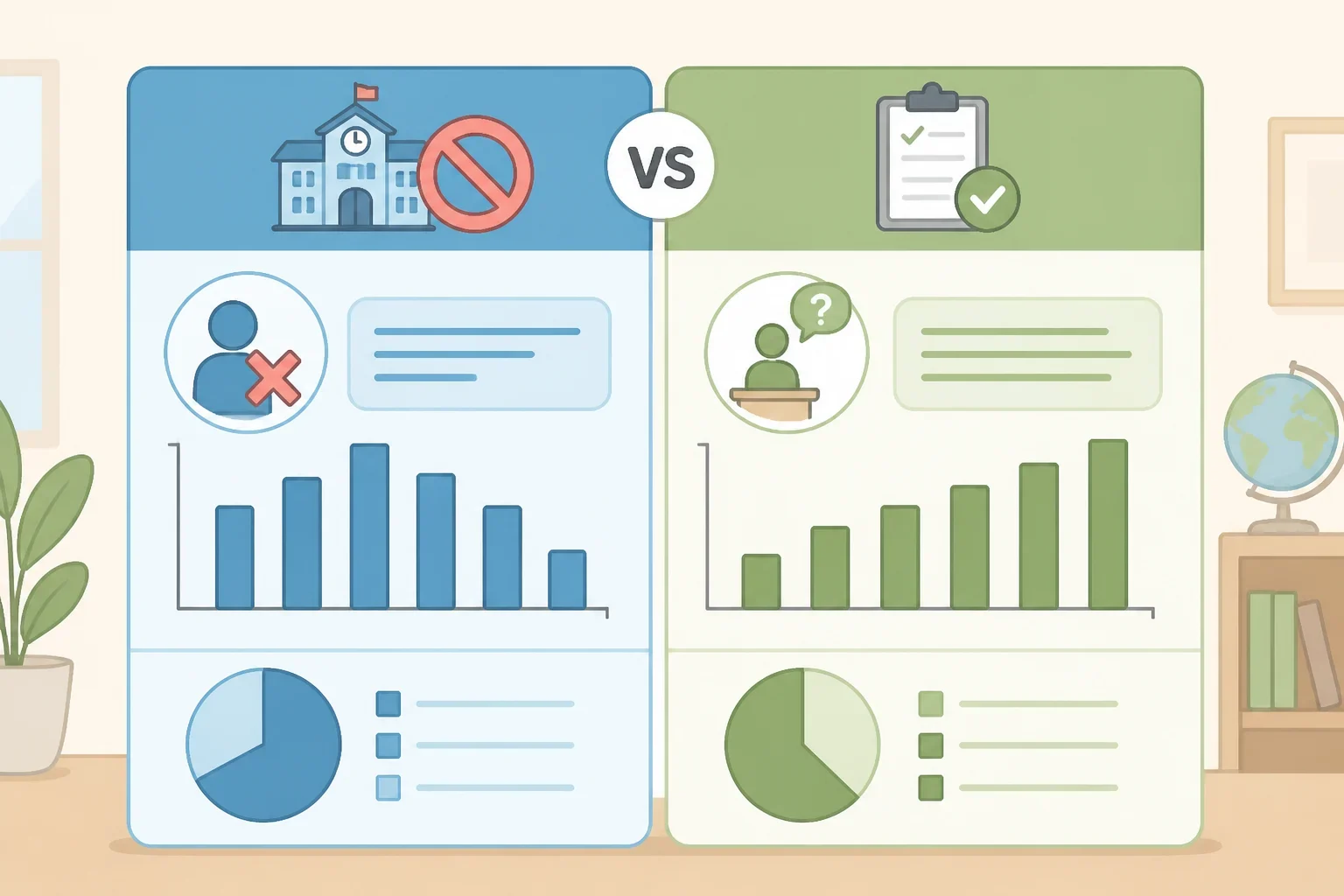
PEN America's 11,982 figure covers school-level bans across the entire 2025-2026 school year. It breaks down into 7,370 unique titles, a record for the index, touching work by more than 4,000 authors, illustrators, and translators, PEN America reports. More than 4,500 of those titles were newly added to PEN's index this year, and 114 districts banned at least one book, both the highest counts the organization has recorded since 2021, according to PEN America.
ALA's Office for Intellectual Freedom tracked a different measure entirely: 4,235 unique titles challenged during 2025, just five short of the record set in 2023, according to ALA. The same release reported 5,668 titles banned from libraries and another 920 with access restricted. Those are separate reported figures, not a subset of the 4,235 challenges, and the relationship between them is worth checking against ALA's own methodology before treating one number as a denominator for the other. ALA's intellectual freedom office also publishes separate reports breaking out public-library and school-library activity in more detail, according to its OIF blog, a useful place to confirm scope before citing any single number.
PEN also attributes bans in 72% of the districts it tracked to state legislation, under criteria the organization defines itself: a district citing a state law, a review-board structure mandated by statute, or a district's own rationale referencing state policy, PEN America reports. That's PEN's stated methodology, not an independently audited cause-and-effect finding. A classroom activity should have students check the district's actual rationale or the statute text rather than accept the percentage as settled on its own.
PEN is upfront about the limits of its own count, too. It calls the total an undercount, since bans often go unreported without someone filing a public-records request, and notes that Texas and Florida show up with the most bans partly because grassroots groups there, the Texas Freedom to Read Project and the Florida Freedom to Read Project, have filed the most records requests, not necessarily because those states ban the most books, according to PEN America. Texas recorded more than 8,100 bans this year, enough to pass Florida's roughly 3,200 and end Florida's three-year run atop PEN's list, PEN America reports.
None of that makes the numbers meaningless. It means a student reading any of them needs to ask what exactly was counted, who collected it, over what period, and by what definition, before repeating it as settled fact. That habit is the point of the activity below.
Banned Books Week 2026 classroom lesson: one-period activity
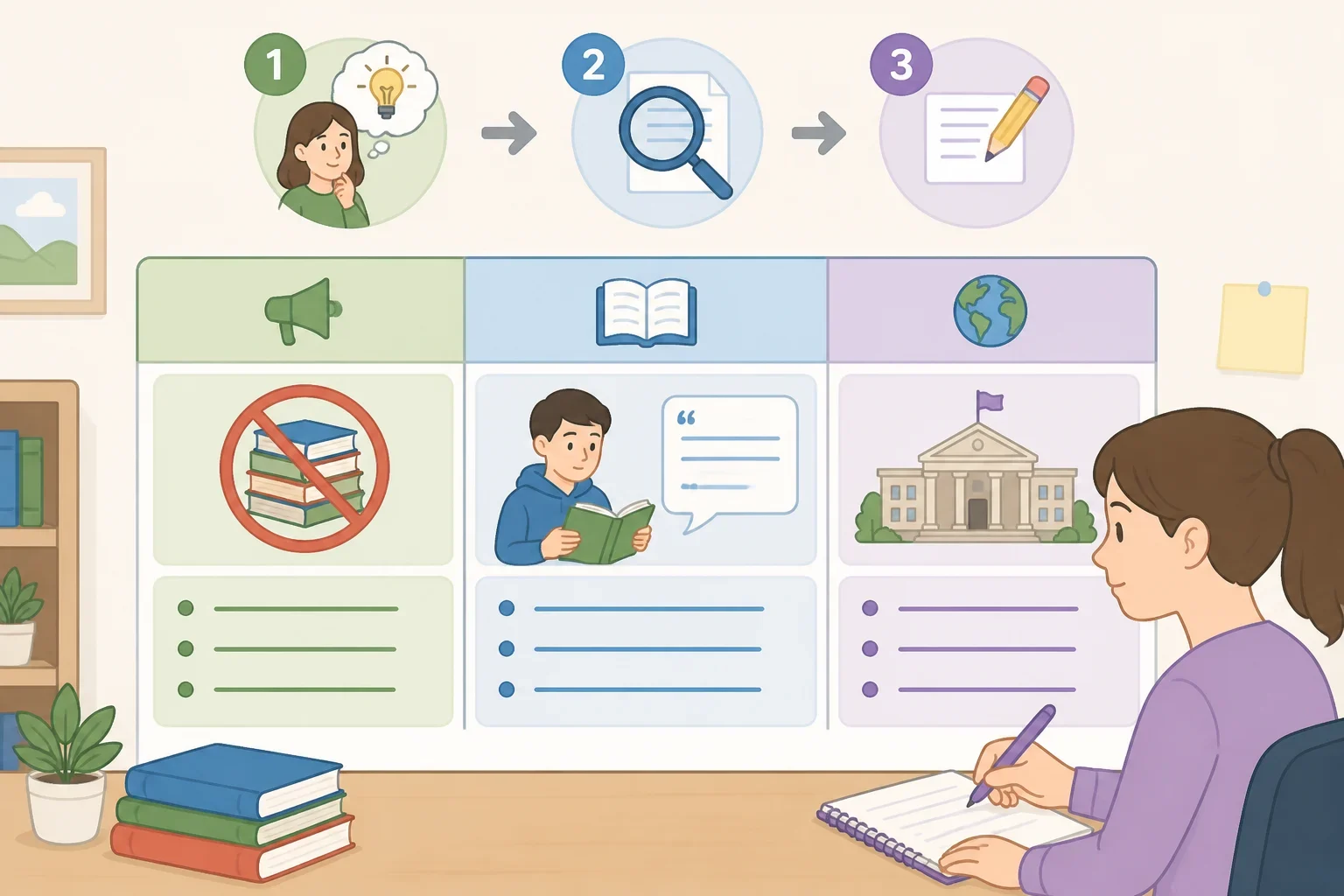
Learning objective: Students distinguish a claim about a book ban from the evidence supporting it, then identify what context is missing before drawing a conclusion.
Timing: One 45- to 50-minute period, offered as suggested pacing rather than a fixed rule.
- 5 minutes: introduce the counting-unit problem using the PEN and ALA figures above.
- 10 minutes: students annotate the source packet in pairs.
- 15 minutes: students complete the organizer individually.
- 10 minutes: small groups compare what context each pair found missing.
- 5 minutes: students complete the exit ticket.
Materials: A short source packet built around one title, plus a claim/evidence/context organizer. A simple three-column chart works fine.
For a single-period version, assign a title that drew documented attention during the 2025-2026 school year. Sold by Patricia McCormick is one option; PEN America named it the most frequently banned title of the year. Because the novel addresses sexual exploitation, teachers may want to provide a content note before assigning it and follow local policy on alternate assignments for any student who opts out.
Build the source packet by mixing document types rather than matching pro-and-con counts. A workable mix: a district reconsideration policy or board-meeting record as a primary source, a PEN America or ALA data summary as an advocacy organization's analysis, and one independently reported local news article documenting the specific challenge or removal being studied, not one that simply restates a national statistic. Numerical balance between "for" and "against" isn't the goal; a well-documented primary record and an unsupported opinion piece aren't equal evidence just because they take opposite sides.
Have students complete a short organizer for each source, answering four questions:
- What is the claim?
- What evidence backs it up?
- What kind of source is this: primary record, advocacy organization, or independent reporting?
- What context might be missing?
One example of context that could land in that last column: McCormick has said she feels angry on behalf of the young women she interviewed for Sold, arguing that calling their accounts pornographic disrespects people who told their stories so others would understand what trafficking looks like, according to PEN America. That's one data point for students to weigh, not a verdict to adopt.
Close with an exit ticket: "Does your conclusion change once you add the missing context? Name the one piece of context that mattered most." This shortened version borrows elements from a longer activity K20 Center built around a ninth-grade standard, adaptable through grade 12 with adjustments, according to K20 Center. The one-period organizer and exit prompt above are original to this lesson rather than a direct trim of K20's multi-day model.
Building a deeper evidence file: a multi-day extension

For a multi-day version, roughly two to four class periods, K20 Center's structure is a solid starting point: students choose a title, gather four sources (two generally supportive of the ban and two opposed), and write an annotated bibliography that summarizes each source, evaluates its reasoning, and states its position, according to K20 Center. From there, K20's lesson has students collaborate on an infographic making a case for or against their chosen book's ban, with four pieces of supporting evidence and a works-cited list, then share it with classmates using a peer-feedback strategy, per K20 Center.
Strengthen that model by requiring at least one primary local document in the source set, such as a district's actual reconsideration policy, challenge form, board agenda, or the text of the relevant state statute, rather than relying only on PEN America or ALA summaries. PEN America describes itself as a free-expression organization, so students should read its report as an advocacy organization's analysis rather than as a neutral administrative record of a school board's decision.
Classes ready to go further can add optional case studies. One option: PEN America's finding that Texas's SB 13 law, passed in 2025, corresponds with the state's jump to more than 8,100 bans this year. Another: PEN's account of Texas public records, obtained by the Texas Freedom to Read Project, showing generative-AI tools repeatedly recommending book removals because other districts had already banned a title, rather than because the records showed the books were evaluated under the legal obscenity standard, according to PEN America's analysis. Treat both as optional extensions rather than material every student needs to cover.
Score the work with a rubric weighted toward analysis rather than persuasion. Strong submissions should:
- Cite at least one primary document, not just an advocacy summary.
- Distinguish stated fact from interpretation in each source.
- Name at least one limitation in the student's own evidence.
- State clearly whether the student's conclusion changed once missing context was added.
What to check before you teach this lesson
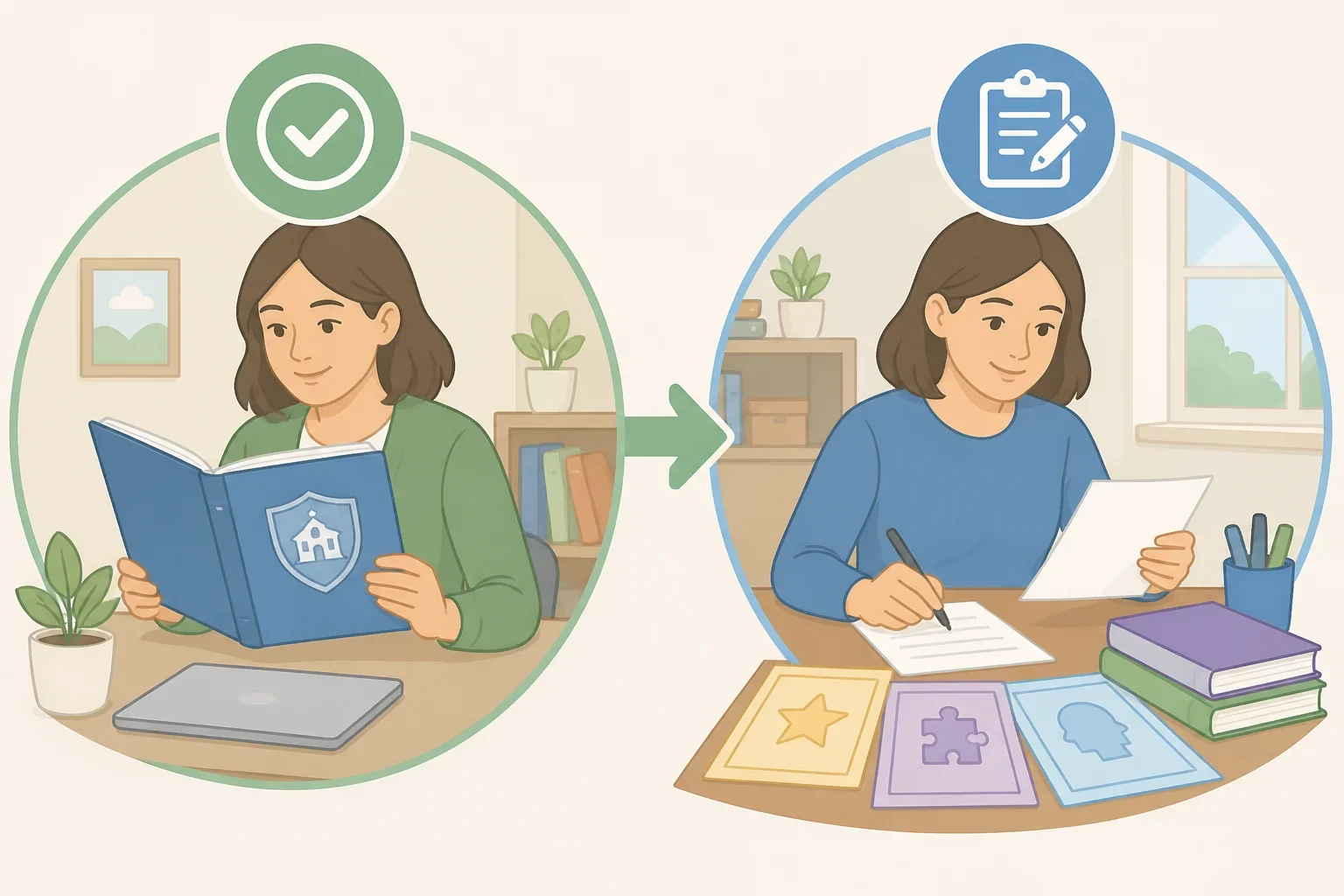
Both versions of this activity depend on a few things being in place before students open a single source. Work through this checklist first:
- Verify the school or district's policy on contested topics and library materials.
- Select a title permitted under that policy, with an alternate ready if a student needs one.
- Pull the district's own reconsideration policy or challenge form to use as the primary source in the packet.
- Label every source in the packet by type, primary, advocacy, or independent reporting, before students start the organizer.
- Prepare an alternate text or task for any student who opts out, consistent with local policy.
With that groundwork done, either version gives students the same practice: naming what a specific book-ban count measures, who collected it, and what document backs one particular removal.