
Anne Carson Nobel Prize in Literature 2026: Where to Start
Canadian poet and classics scholar Anne Carson has won the 2026 Nobel Prize in Literature. The Swedish Academy honored her "for her bold and inventive oeuvre that, in playful dialogue with the classical tradition, has created new forms for contemporary literature," according to NobelPrize.org. Official Nobel press materials had listed Thursday, October 8, at the earliest as the scheduled announcement window for this year's literature prize (NobelPrize.org).
Last week, NobelPrize.org published a separate "What to Read" feature naming three entry points for newcomers: Autobiography of Red, "The Glass Essay," and Nox (NobelPrize.org). The piece reads like one contributor's personal recommendations rather than an official syllabus, which matters if Carson has just been assigned in class or a reader is simply curious after hearing the news. A short note near the end of this guide addresses teachers deciding which work fits a particular lesson.
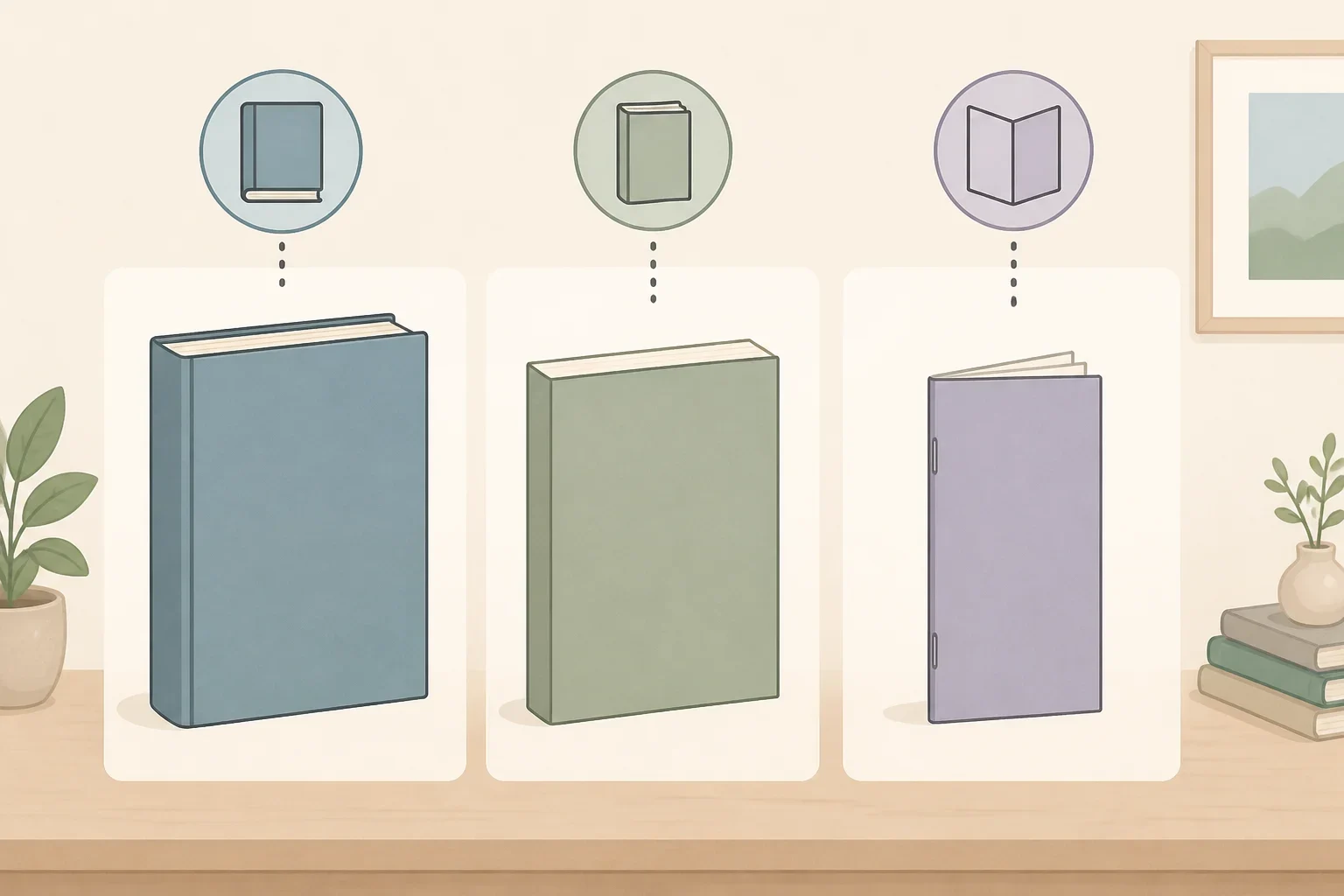
Which book to start with depends mostly on what a reader is looking for: a myth retold as a coming-of-age story, a long poem that blends memoir with literary criticism, or an experimental physical object built from grief and translation.
What to read by Anne Carson: three starting points for students
Autobiography of Red: A Novel in Verse reworks surviving fragments by the sixth-century BCE Greek poet Stesichoros into a modern coming-of-age story. It follows the winged monster Geryon as he falls for a "rather vain Heracles" and travels with him toward a volcano (NobelPrize.org).
The book was published in 1998. Its sequence of fragments is preceded by a short essay, "Red Meat: What Difference Did Stesichoros Make?," which explains the ancient source material before the verse narrative begins (Poetry Foundation).
"The Glass Essay" is a long poem published in the collection Glass, Irony and God. It follows a woman who has been left by her husband and travels to visit her mother on the moors, carrying the works of Emily Brontë with her the whole way (NobelPrize.org). The poem doubles as literary criticism of Brontë even as it tells a personal story of heartbreak.
Nox isn't a conventional book at all. It takes the form of a box containing an accordion foldout of photographs, letters, and drawings that Carson made after the death of her brother Michael, who had lived abroad for years before he died (NobelPrize.org). Inside sits her own translation of Catullus's elegy 101, written by the Roman poet for his own brother, who also died on foreign soil (NobelPrize.org).
For student readers, the three works offer different entry points: narrative verse and myth in Autobiography of Red, genre blending in "The Glass Essay," and material form and mourning in Nox. Readers who want plot and recognizable emotional stakes may find Autobiography of Red the easier opening. Readers interested in watching Carson dissolve the line between memoir and criticism can turn to "The Glass Essay." Readers curious about her most form-breaking work, and comfortable with a nonlinear reading experience, might start with Nox.
How to read each one: what to notice


In Autobiography of Red, the fragments build toward a question about selfhood more than a plot twist. In one, Geryon wonders whether he is a "Monster," then answers himself: "But in my case I am right" (Poetry Foundation). Carson calls the pieces fragments rather than translations in her subtitle, a small but deliberate choice that signals she's reworking Stesichoros, not simply rendering him into English.
The sequence later shows Geryon's death alongside his two-headed dog Orthos, rendered in lines that compare an arrow's impact to a poppy bending in wind (Poetry Foundation). Readers following that arc, from a boy insisting on his own reality to his death at Heracles' hands, can see how Carson turns an ancient labor myth into a story about first love and identity.
In "The Glass Essay," notice the moment the poem stops narrating grief and starts functioning as criticism. The text is built around three women at a kitchen table, and the NobelPrize.org feature describes the poem as having "no fixed boundaries" between lyrical, narrative, and critical language (NobelPrize.org). That blending, according to the feature, is central to what makes the poem work, not a structural detour to read past.
In Nox, the physical object matters as much as the words inside it. The box and its accordion foldout sit next to a translation of Catullus's ancient elegy, and Carson has said she wanted her own presence as a writer to disappear into the work, even though it may be the most personal thing she has ever made (NobelPrize.org). Reading Nox means handling translation and mourning as two threads running through the same physical pages at once.
Why classics scholarship sits at the center of Carson's work
Carson has said that etymology, the history and origin of a word, is where all of her writing begins (NobelPrize.org). That habit explains why ancient material keeps resurfacing across her poetry rather than appearing as a one-off reference.
She attended St. Michael's College at the University of Toronto and earned her PhD there in 1981, building a parallel career as a classics scholar alongside her writing (Lannan Center, Georgetown University). Her translations include Sophocles' Electra, Sappho's fragments in If Not, Winter, and Aeschylus's Oresteia (Lannan Center, Georgetown University).
Taken together, these works can be read as examples of one method applied to different fragments: Stesichoros in Autobiography of Red, Brontë in "The Glass Essay," Catullus in Nox. The classics background matters less as biography and more as explanation for why ancient texts resurface in all three recommended starting points.
What to check before you start reading

"The Glass Essay" is one poem inside the larger collection Glass, Irony and God, so confirm whether an assignment covers the whole book or just that single poem (NobelPrize.org). That distinction changes how much reading is actually required.
Because Nox takes the physical form of a box with an accordion foldout, check with a teacher or librarian which edition or excerpt a class is using. A scanned or reformatted copy may not present the work the way Carson built it.
Ask, too, what kind of response the assignment wants: close reading of language and form, research into the Stesichoros or Catullus source material, or a direct comparison between Carson's version and the ancient original. These are three different papers, and knowing which one a teacher expects before starting to read will save a rewrite later.
For teachers choosing a text, the three works support different classroom goals: Autobiography of Red for myth adaptation and narrative verse, "The Glass Essay" for genre-blending close reading, and Nox for material-text and form analysis. That grouping is a reading recommendation, not a required sequence.
Before opening any of the three, confirm one thing with the assigning teacher or a librarian: whether the task covers a full collection or a single excerpt, which edition applies, and what form the response should take. That single check settles the rest of the reading plan.