
- Missouri teacher shortage uncertified teachers explained
- Why Missouri teacher vacancies keep returning
- Missouri teacher recruitment and retention has a framework and a funded pipeline
- What the GYO evidence shows, and what it does not show
- Certification policy may affect the pipeline, but older proposals need current verification
- What families and aspiring teachers can check
Missouri teacher shortage uncertified teachers explained
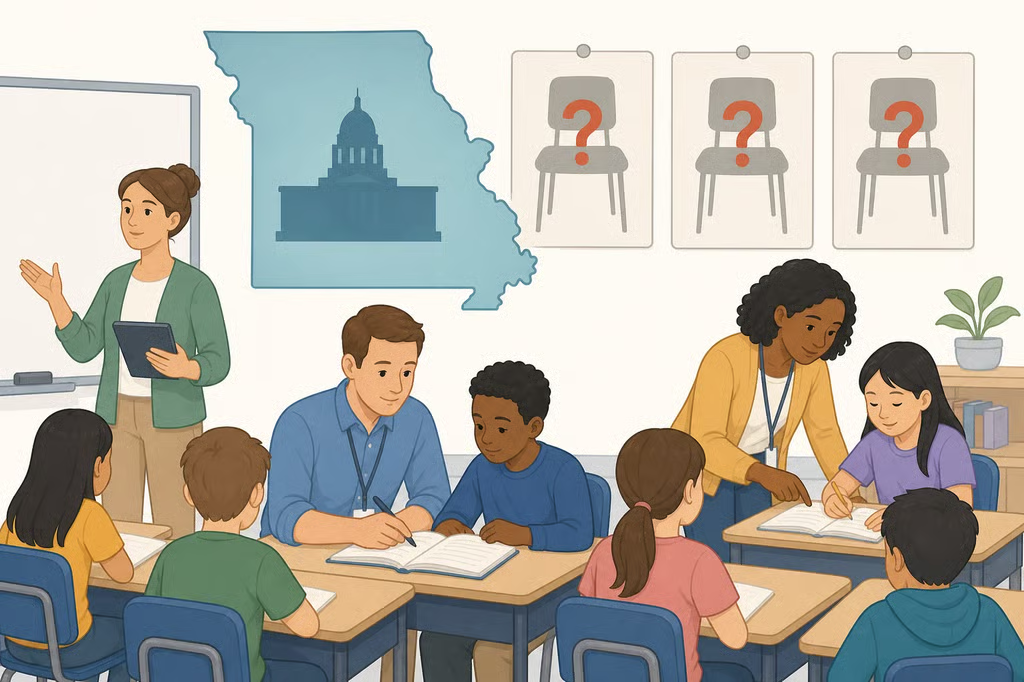
Missouri still faces a teacher recruitment and retention problem, but the available research does not provide a current statewide count of classrooms taught by uncertified or out-of-field educators. The clearest documented point is narrower: when schools cannot find a certified teacher, the Missouri Department of Elementary and Secondary Education has said districts may leave a position vacant or assign someone who is not certified in that subject area. DESE made that statement five years ago, so it should not be mistaken for a 2026 staffing count.
The terms describe different situations. An out-of-field teacher is assigned to teach a subject outside the teacher’s certification area. A vacancy is an unfilled position. A substitute certificate is a separate route for substitute teaching. These distinctions help families understand a staffing concern, but the supplied research does not establish formal statewide definitions or show how many Missouri classrooms currently fall into each category.
Why Missouri teacher vacancies keep returning
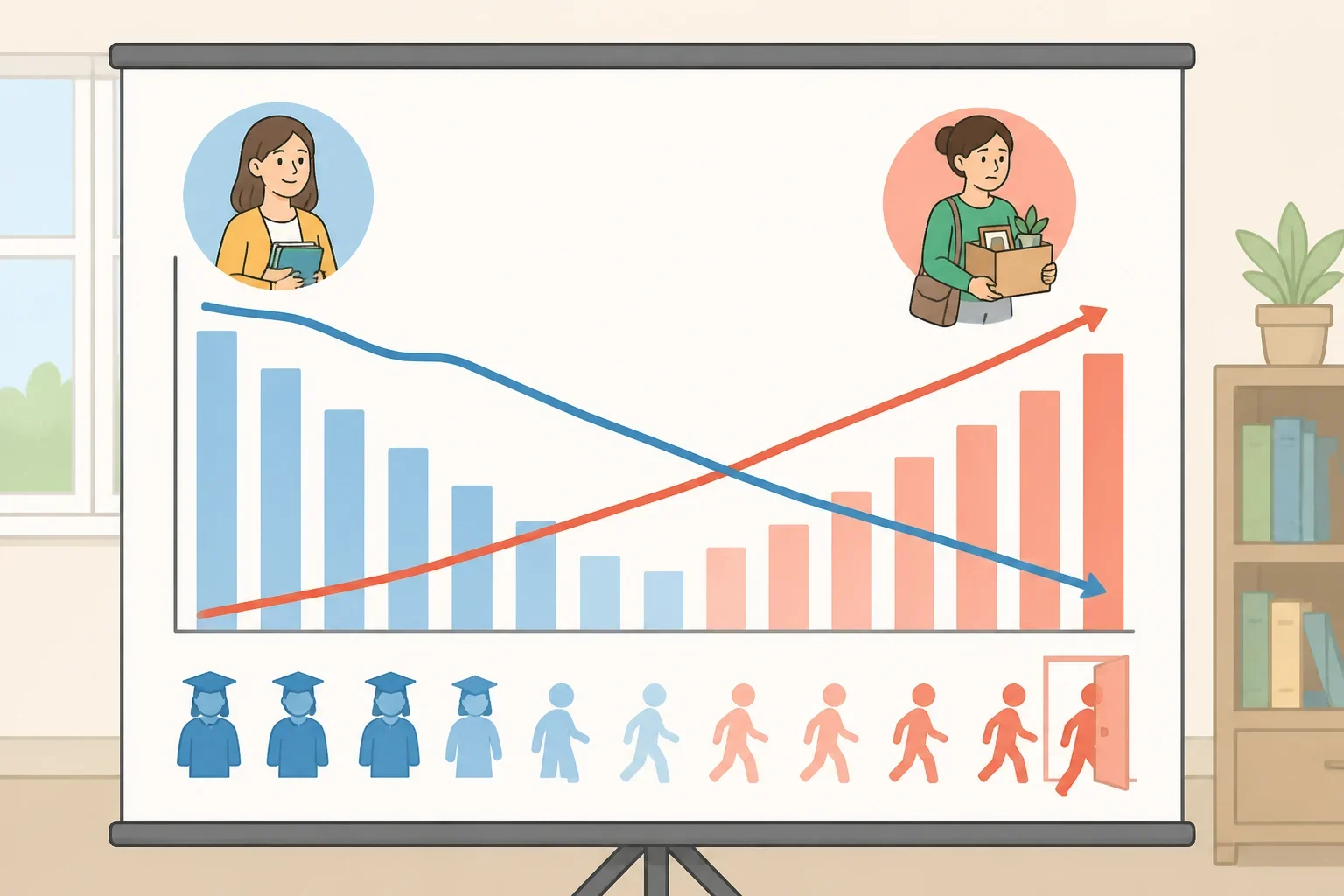
Missouri’s staffing challenge has two connected parts: fewer people entering teacher preparation programs and teachers leaving the profession. Over the decade described in a 2021 DESE release, enrollment in Missouri teacher-preparation programs fell by more than 25 percent. Average teacher attrition exceeded 11 percent for the six years covered by that release, compared with a cited national average of 8 percent. DESE reported those figures five years ago.
Those numbers describe a historical trend, not the number of open positions this school year. They do help explain why districts may face the same recruitment problem repeatedly. A smaller preparation pipeline can limit the number of new applicants, while continuing departures create additional openings to fill.
Substitute staffing became an especially visible pressure point during the pandemic. Five years ago, DESE said that COVID-19 and the Delta variant had worsened a severe substitute-teacher shortage. The department also said full-time teachers were covering classes and completing preparation, grading, and collaboration during personal time. That source documents an emergency response in 2021, not necessarily current practice.
In January 2025, DESE described teacher recruitment and retention as a statewide challenge. The department’s response combined a broad policy framework with programs intended to bring more people into teaching. It also raised a continuing question for districts: how can schools fill classrooms now without weakening the long-term path toward certified teachers?
Missouri teacher recruitment and retention has a framework and a funded pipeline

Missouri’s first Teacher Recruitment and Retention Playbook is a planning framework, not a certification rule. Developed by DESE and the Community Training and Assistance Center, it identifies eight cornerstones for a state recruitment and retention system. Selected themes include targeted funding, strategic use of public policy, collaboration, teacher voice, and alignment among recruitment, teacher development, and compensation. DESE released the Playbook in January 2025.
The framework addresses more than the number of new applicants. Its stated purpose is to support both a supply of new teachers and the retention of experienced educators. That matters because recruitment programs cannot, by themselves, solve a problem that also involves teachers leaving schools or the profession.
Grow Your Own, or GYO, is the clearest funded example in the available research. For fiscal year 2025, DESE’s budget included $2.5 million for one-time $10,000 grants to local education agencies to create or strengthen GYO programs. DESE reported the LEA grant figures in October 2024.
The same source said DESE awarded GYO grants to 125 local education agencies and also provided funding for 15 educator-preparation programs and five community colleges. Those figures describe different groups receiving support, not 145 organizations each receiving a $10,000 grant. The research does not establish that every listed organization received the same amount.
GYO programs look for future teachers already connected to schools. Participants may include local students, paraprofessionals, and substitute teachers. Depending on the program, support can include dual-credit courses, scholarships, internships, and postsecondary coursework leading toward certification. DESE described those activities in its grant announcement.
The approach has a practical advantage: participants may already understand the local school community and the work of educators. It also has a clear limit. A GYO program is a pathway into the profession, not a classification for a teacher currently assigned outside a certification area.
What the GYO evidence shows, and what it does not show
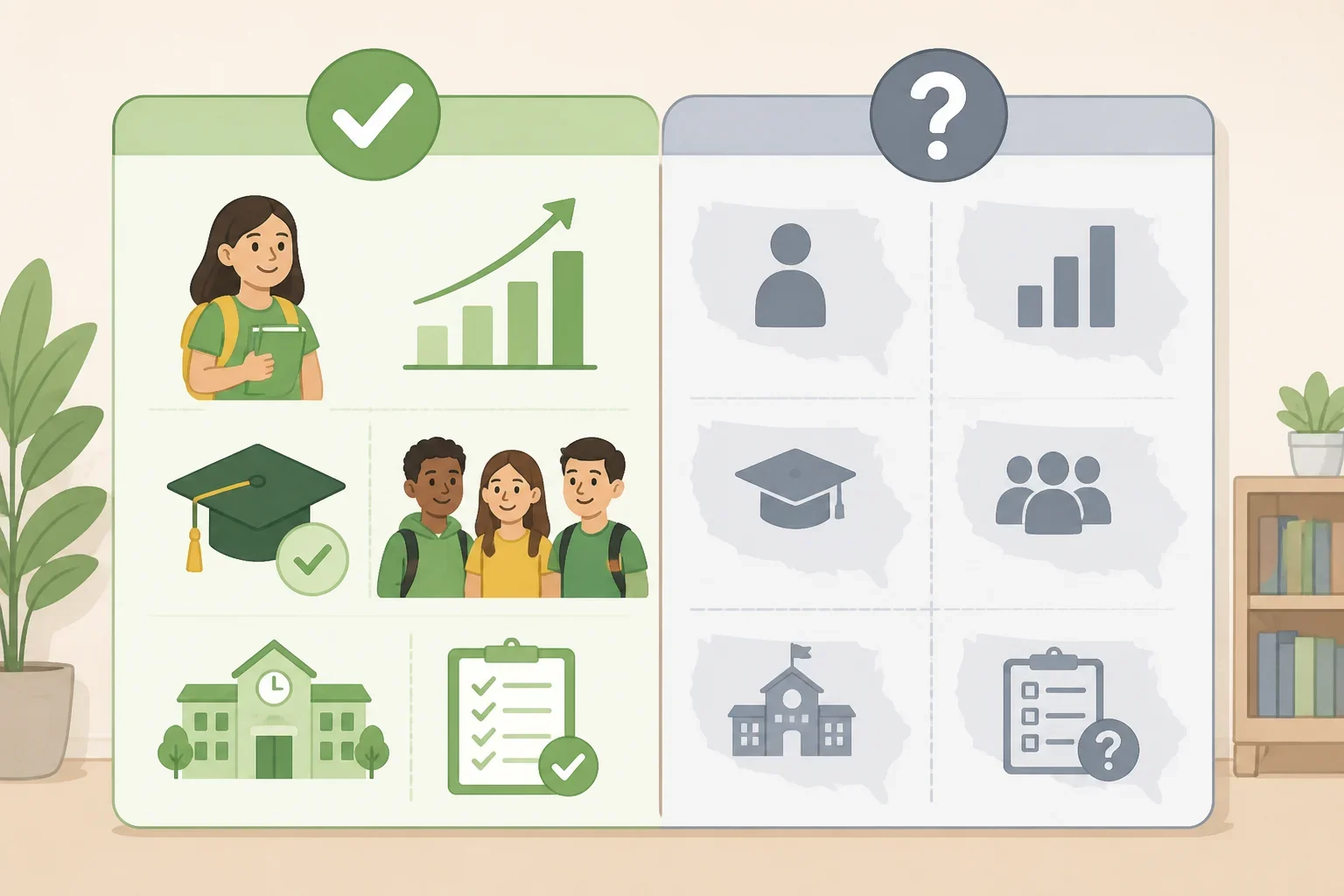
DESE collected data from grant recipients over three years to evaluate the grant program. The evaluation found, with 95 percent confidence, positive growth in GYO enrollment and graduation. It also found an increase in GYO graduates ultimately becoming certified and hired by a local education agency. The Playbook release reports those findings.
The findings are promising, but they do not answer every question a district or family might have. The supplied research does not provide total participant counts, statewide placement rates, or evidence that GYO programs have closed Missouri’s teacher vacancy gap. It also does not confirm whether the FY2025 grants continued under later funding decisions.
For that reason, GYO belongs in a discussion of Missouri teacher shortage solutions, alongside retention efforts, compensation and policy decisions, preparation programs, and substitute staffing. It should not be presented as proof that staffing shortages have ended.
Certification policy may affect the pipeline, but older proposals need current verification
A separate policy question concerns Missouri’s content-area GPA requirement for some teacher certifications. In 2017, the State Board of Education instituted a requirement of at least a 3.0 GPA in the specific subject area for which a candidate sought certification. After the rule took effect, the state saw a substantial decline in completions for affected certification types, with a disproportionate effect on STEM candidates. DESE described that history nearly two years ago.
In December 2024, the State Board voted to publish a proposed rule that would lower the content-area threshold from 3.0 to 2.5. DESE cited a study of 1,174 STEM teacher candidates. The study found no statistical difference in first-time certification exam pass rates between candidates with content GPAs from 2.75 to 3.0 and candidates with GPAs of 3.0 or higher. The DESE release explained the proposal and study.
That study does not directly test the proposed 2.5 floor. The lower comparison group began at 2.75. Exam pass rates also do not measure classroom effectiveness directly, so the findings cannot establish that a particular GPA guarantees teaching success.
The proposal was expected to reach a final State Board vote in March 2025. The research supplied for this article does not confirm whether the rule was adopted, changed, or delayed. The 2.5 figure should therefore be treated as a historical proposal unless current DESE certification materials and State Board rule records show otherwise.
The same caution applies to substitute certification. Five years ago, the State Board authorized an emergency amendment that would allow a 20-hour DESE-approved online course to replace the 60 semester hours of college credit then required for a substitute certificate. DESE described that emergency action as a response to the pandemic-era substitute shortage.
That source does not establish the substitute-certification standard in 2026. Anyone applying for a substitute certificate should confirm the current requirement with DESE before relying on either figure.
What families and aspiring teachers can check
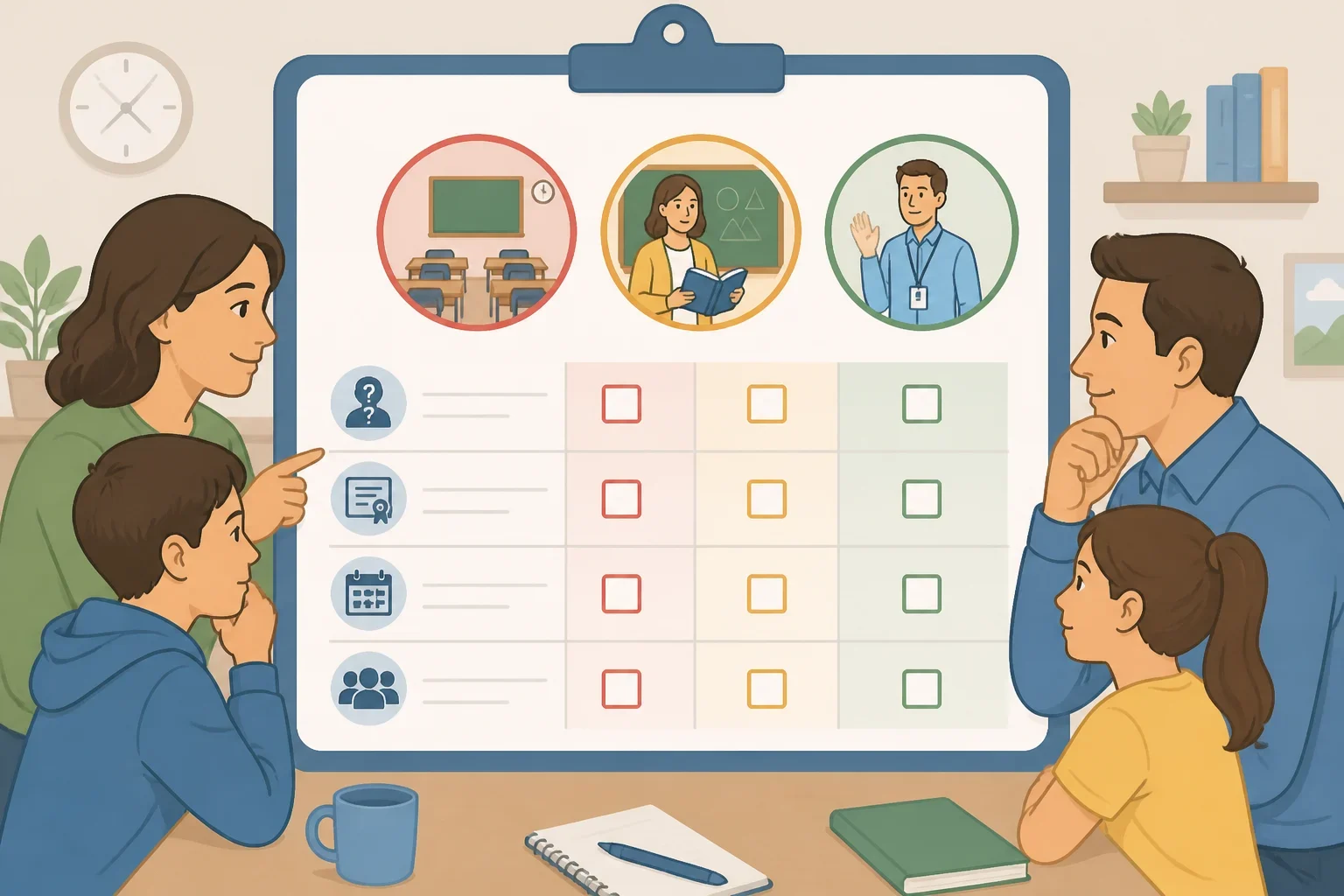
Families asking about a particular class should begin with the school or district, not assume that an open position, an out-of-field assignment, and substitute coverage are interchangeable. A district may limit what it shares about an individual teacher’s record, but a parent or student can ask:
- Is the position filled, vacant, or covered temporarily?
- Is the assigned teacher certified in the subject being taught?
- What instructional support is available, such as coaching, co-teaching, or curriculum guidance?
- Which district office can explain the certification category without disclosing private personnel information?
For people considering teaching, the most useful first question is whether a local district or preparation program currently participates in Grow Your Own. Follow-up questions can clarify:
- Which educator-preparation program or community college is involved?
- Are scholarships, dual-credit courses, internships, or coursework support available?
- Who is eligible?
- Which state and program requirements still apply?
- Is the opportunity connected to current funding or an earlier grant cycle?
Before citing the 2.5 GPA proposal or the 20-hour substitute course in an application, school assignment, article, or advocacy document, check the current DESE certification pages and State Board rule records. For a local staffing concern, ask the principal or district human-resources office for the applicable certification category and the support available to the class. That verification step is the safest way to separate Missouri’s documented historical shortage from the requirements and staffing conditions in effect now.