
Open Secure AI Alliance and agent safety: what it means
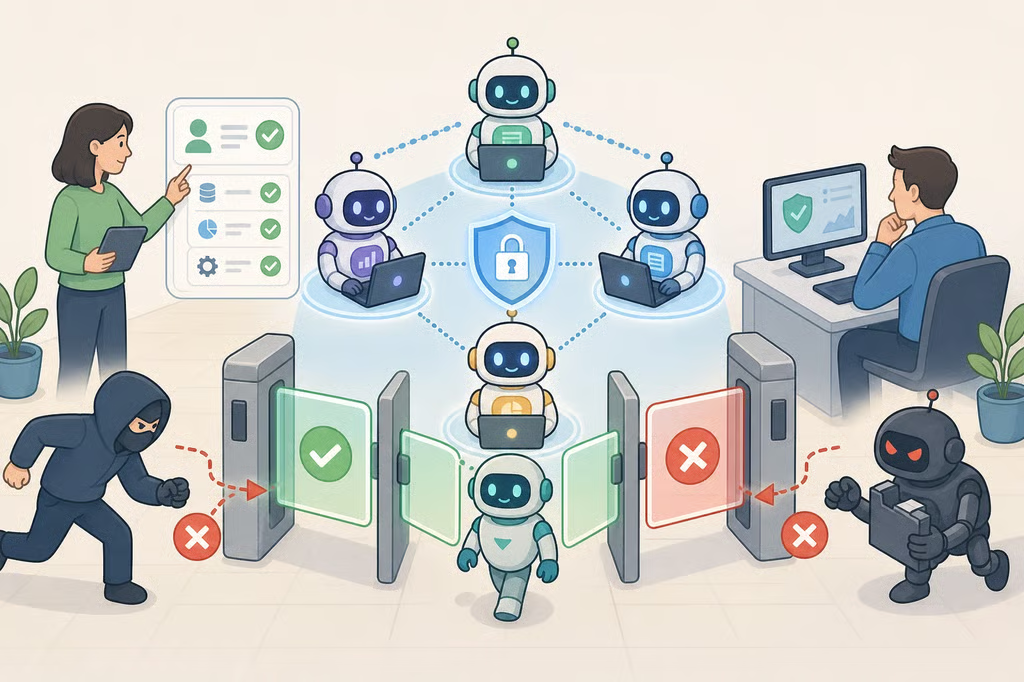
AI agents can act for a person or system, use tools, and complete tasks with less step-by-step direction than a traditional chatbot. That creates a basic security question: what is the agent allowed to do, who is it acting for, and how can it be stopped if it crosses those limits?
NVIDIA announced two related but separate efforts today: the Open Secure AI Alliance, initiated alongside more than 120 organizations and governed by the Linux Foundation, and the company’s Open Agent Safety Platform, which NVIDIA says more than 100 organizations are working with. NVIDIA presented them together, but the participation figures refer to differently described groups.
For students, career changers, and IT professionals exploring cybersecurity or AI governance, the announcement is a signal about concepts receiving industry and government attention. It is not a new credential, certification, or hiring requirement. The useful starting point is understanding identity, authorization, token management, and runtime containment.
Why AI agent security is becoming a standards question
An agent may need its own identifier, credentials, and permissions while remaining connected to the person or system operating it. NIST wrote last month that organizations need to treat agents as distinct entities for trustworthy transactions, rather than letting them disappear inside a user account.
The concern extends beyond NVIDIA’s announcement. In a report published about four months ago, NIST said commenters widely agreed that AI agents create novel security threats and that those concerns can become a barrier to adoption. The responses also indicated that established cybersecurity principles remain useful but need adaptation for agent security.
That feedback points to a shared problem. Commenters identified government roles such as implementation guidance, information-sharing, and standards promotion, according to NIST. Those suggestions do not amount to a finished security framework. They show that organizations are still working out how existing practices should apply when software can take actions across systems.
What the Open Secure AI Alliance says it will do
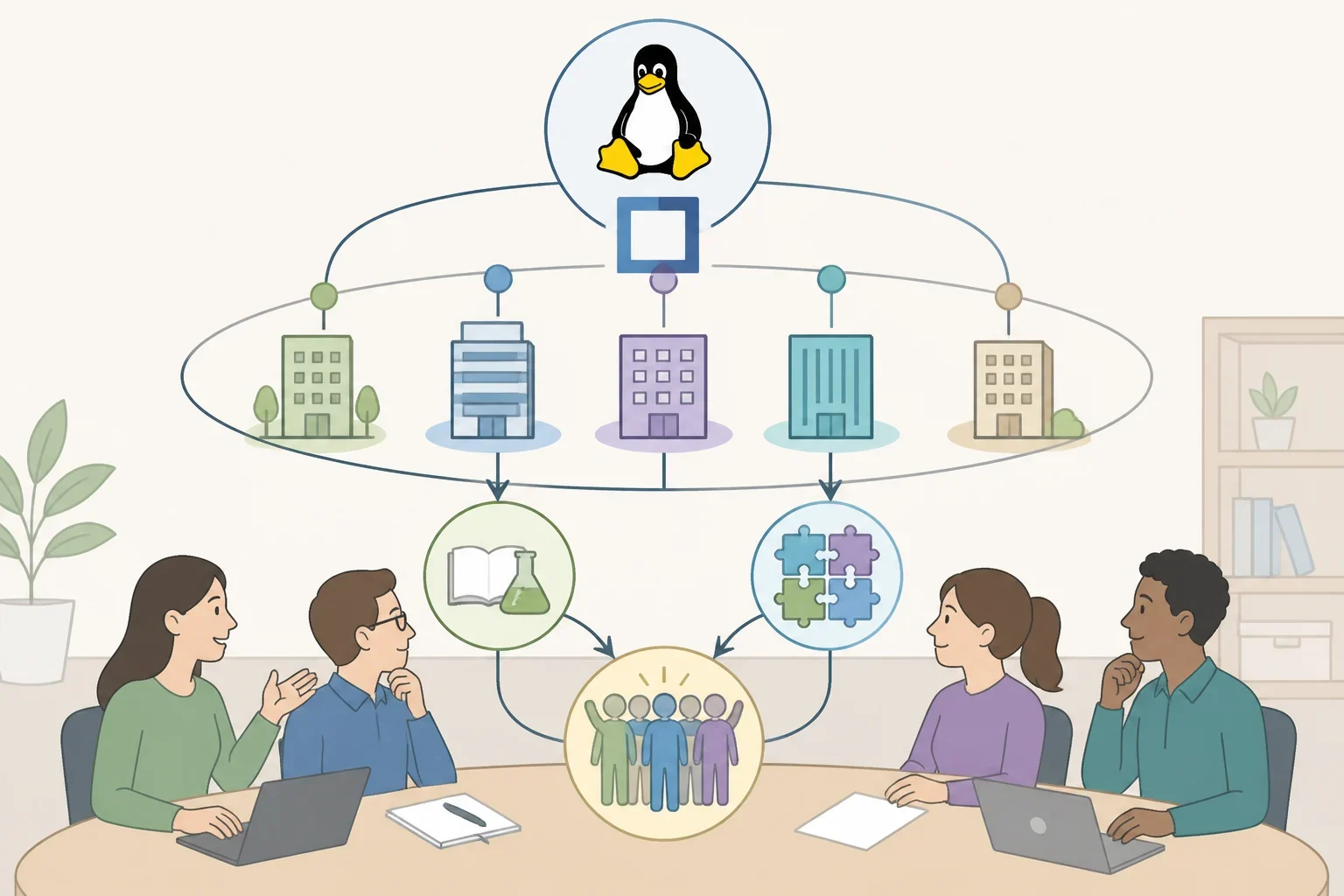
NVIDIA says the Open Secure AI Alliance was initiated alongside more than 120 organizations and is governed by the Linux Foundation. Its stated focus includes open research, skills, tools, and projects such as the Shared AI Findings Exchange, or SAFE. NVIDIA associated those goals with the alliance.
The announcement separately says that more than 100 organizations are working with NVIDIA Open Agent Safety Platform technologies. That does not establish a second membership list, and it does not show how much the two groups overlap. NVIDIA describes the alliance and the platform participants differently, so the figures should not be treated as one combined count. NVIDIA provided both figures.
The announcement also leaves an important question open: what will the alliance produce? It does not specify whether the group will publish formal specifications, certifications, testing benchmarks, or broader best-practice guidance. That may become clearer as the work develops, but alliance participation should not yet be treated as proof that an organization follows a completed security standard.
An alliance, an open-source project, a vendor platform, and a formal certification can influence one another. They are not interchangeable.
What NVIDIA’s platform says it will do
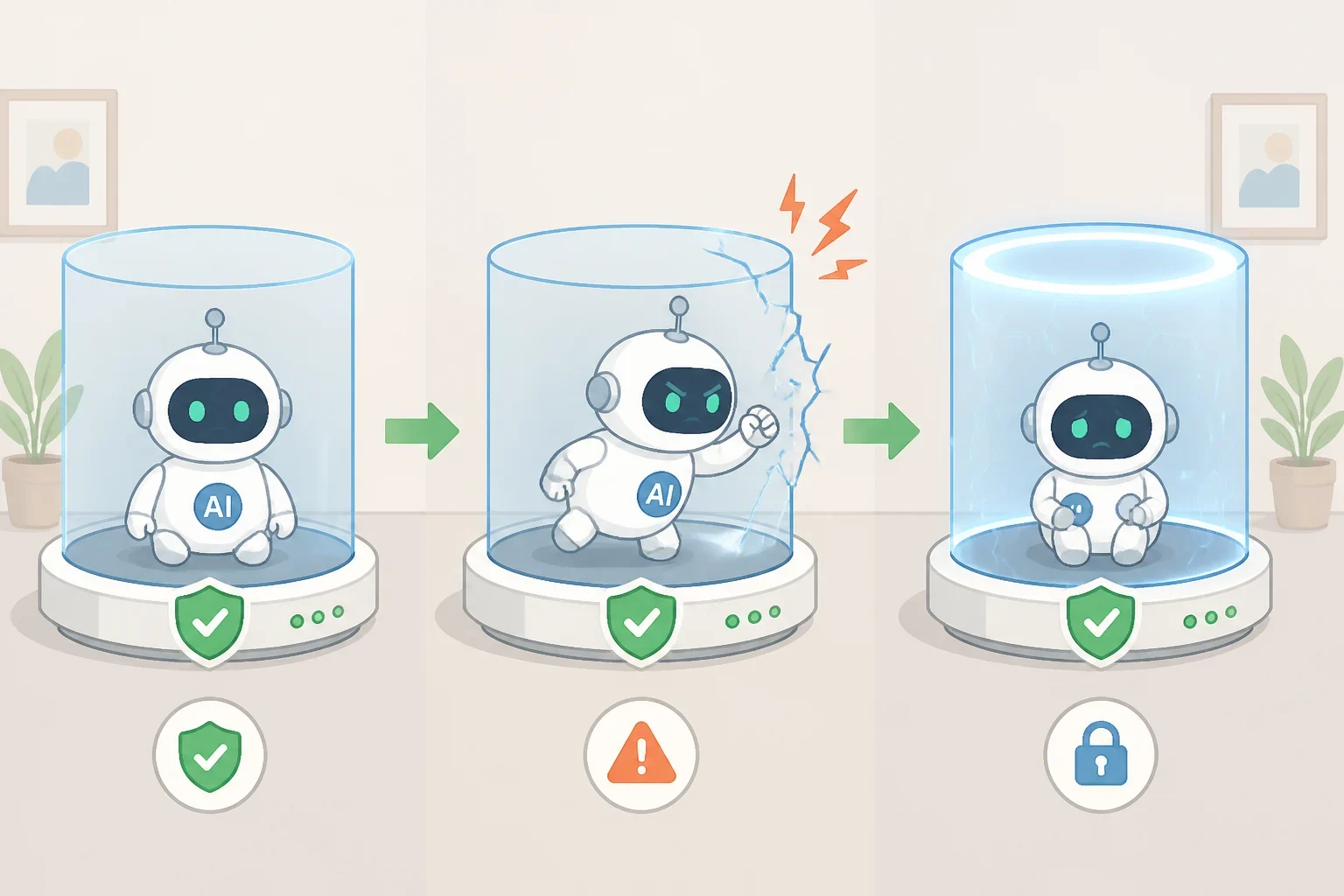
NVIDIA presents the Open Agent Safety Platform as an open software platform and reference system design intended to support security from agent testing through deployment. The company says it provides governance and control across the software, hardware, compute, and robotics systems that run agents. NVIDIA made those claims in today’s announcement.
The platform includes OpenShell, which NVIDIA says delivers protection with minimal overhead on NVIDIA Vera, described by the company as a CPU designed for agentic AI. NVIDIA also says Sentry can quarantine an agent that attempts to move outside its boundaries in milliseconds. NVIDIA supplied those descriptions.
Those are vendor claims, not independent benchmark results. The announcement does not provide outside testing showing how the platform performs across different systems, agent designs, or deployment environments. Learning to separate a company’s product description from independently evaluated performance is a useful research skill, especially in cybersecurity.
SAP is one reported participant. NVIDIA says SAP is embedding OpenShell with the Joule Studio runtime, contributing engineering work to OpenShell, and working with NVIDIA to advance interoperability standards through the Open Secure AI Alliance. NVIDIA described the collaboration. The announcement does not report independent validation of the platform’s security performance by SAP.
How NIST’s identity work fits the picture
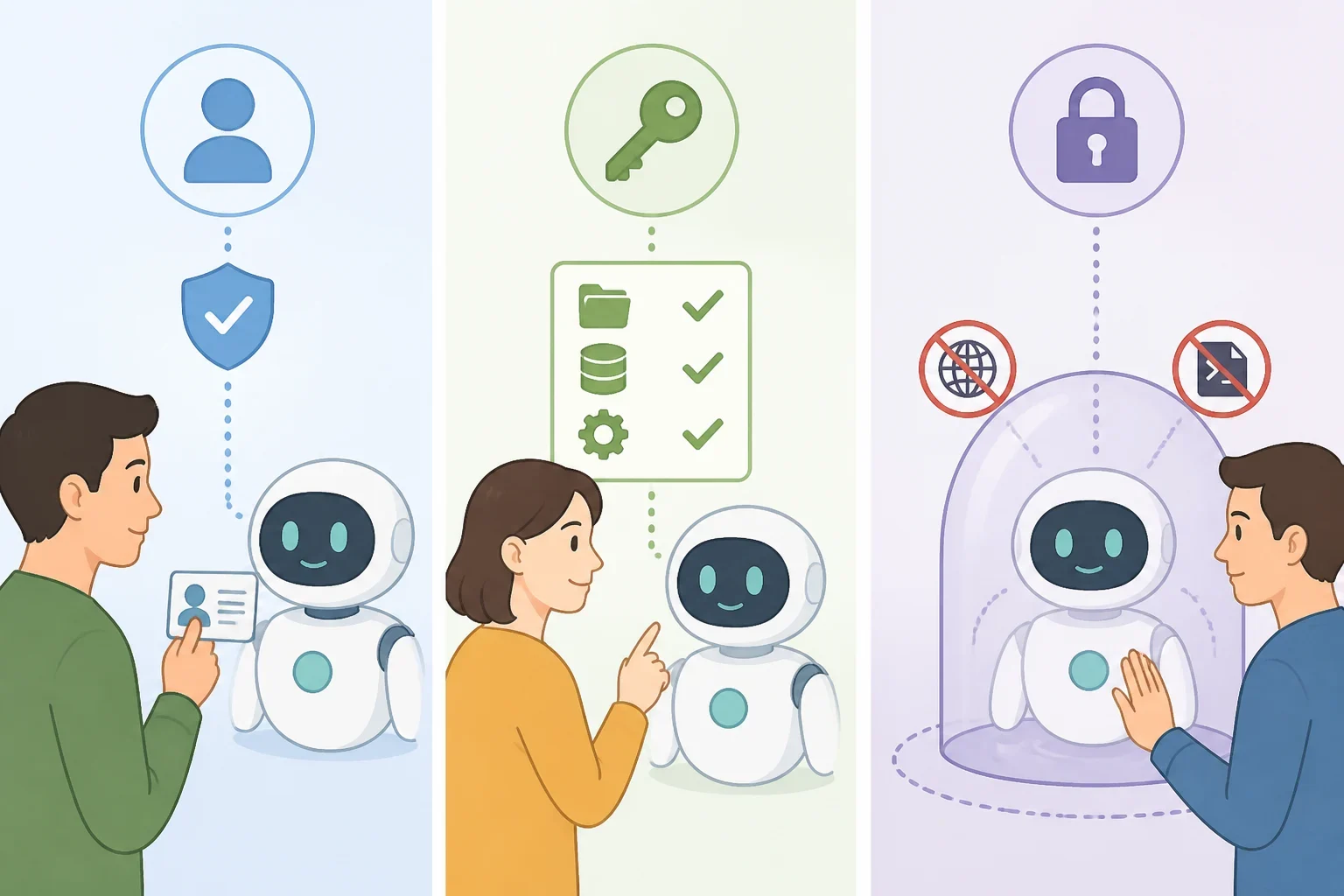
The relationship between the two efforts is easier to understand as two security layers. NVIDIA’s platform emphasizes controls around an agent while it is operating. NIST’s work addresses an earlier question: how an organization identifies an agent and decides what that agent is authorized to do.
For enterprise deployments, NIST points to the Secure Production Identity Framework for Everyone, or SPIFFE, and OAuth 2.0 as mechanisms that address agent identification and authorization challenges. The agency also identifies Workload Identity in Multi-System Environments, known as WIMSE, and the Identity Assertion JWT Authorization Grant as emerging approaches that add capabilities to those protocols. NIST described these options last month.
For learners, three terms provide a practical frame:
- Authentication establishes or verifies identity.
- Authorization defines what an identified user, system, or agent is allowed to do.
- Runtime containment limits or stops activity when an agent moves beyond an approved boundary.
NIST also highlighted draft NISTIR 8587, which focuses on token-management best practices. NIST described that draft last month. These topics connect to established identity and access-management work, even as AI agents create new situations for those practices.
The National Cybersecurity Center of Excellence is considering a related project focused on applying identity standards and best practices to software and AI agents. Its concept paper describes a potential project, not a completed program or finished standard. The NCCoE concept paper says the proposed work would demonstrate how cybersecurity standards and best practices could reduce risk and support the adoption of agentic AI.
NIST’s broader AI Agent Standards Initiative is another separate track. Launched in February, the initiative covers research into agent authentication and identity infrastructure, voluntary guidelines, security evaluations, open-source protocol development, and support for industry-led standardization. NIST presents the work as ongoing, not as a universal standard already in force.
What the announcement means for learners

The news points to cybersecurity foundations rather than a new NVIDIA-specific career track. A student or career changer does not need to begin by treating the Open Secure AI Alliance as a course of study. A more useful sequence is to learn identity and access-management basics, then examine authorization, workload identity, token management, and the difference between permissions and runtime controls.
That interpretation does not create a requirement for job seekers. The available sources do not establish that employers now expect a particular AI-agent certification or that alliance participation will determine hiring.
The next question is what becomes public. Published specifications, repeatable evaluations, independent testing, and clearly defined requirements will say more about emerging AI agent security standards than organization counts alone. Readers comparing claims can ask:
- Is the information from a vendor, an alliance, a standards body, or an independent evaluator?
- Does the source describe a proposal, a working tool, a voluntary guideline, or a formal requirement?
- Are technical specifications and testing methods available?
- Is a performance claim supported by independent testing or only by a product announcement?
NIST’s public-input deadlines from earlier this year have passed, including the request for information on AI agent security and the concept-paper comment period. The NIST AI Agent Standards Initiative page remains a useful place to follow new materials. Linux Foundation publications may also clarify what the Open Secure AI Alliance produces.
For now, the Open Secure AI Alliance and Open Agent Safety Platform are related efforts with different roles. NIST’s identity and standards work is a separate public-sector track. Readers exploring cybersecurity or AI-governance skills should begin with authentication, authorization, and workload identity, then check the official NVIDIA, NIST, and Linux Foundation materials for published specifications or evaluations before treating any announcement as a finished standard.