
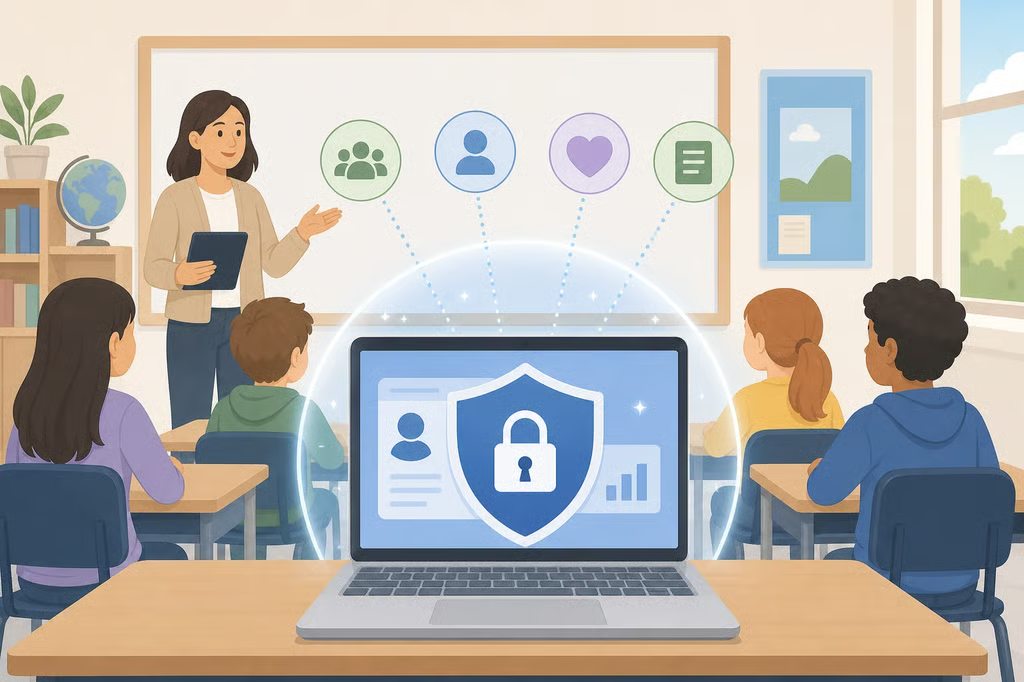
Microsoft Privacy & Safety Standard for Schools Explained
Microsoft has agreed to a specific set of rules governing how its AI tools can use student data in schools, including a ban on using that data to train AI models, under an agreement announced last week with the American Federation of Teachers (AFT) and the United Federation of Teachers (AFT). The Microsoft Privacy & Safety Standard for Schools covers Microsoft Education products and is set to take effect Nov. 1, 2026, but public statements differ on whether the protections apply automatically to every school with a Microsoft contract or only where a district requests the new language (Education Week; Education Week).
The agreement grew out of a 30-page memorandum between Microsoft and AFT's National Academy for AI Instruction (Education Week). AFT President Randi Weingarten called it "first of its kind," noting that no federal law currently governs AI use in schools (Education Week). For families, teachers, and administrators, the practical question is narrower: does this change anything at a specific school, and starting when?
How the Microsoft Privacy & Safety Standard for Schools may apply to districts
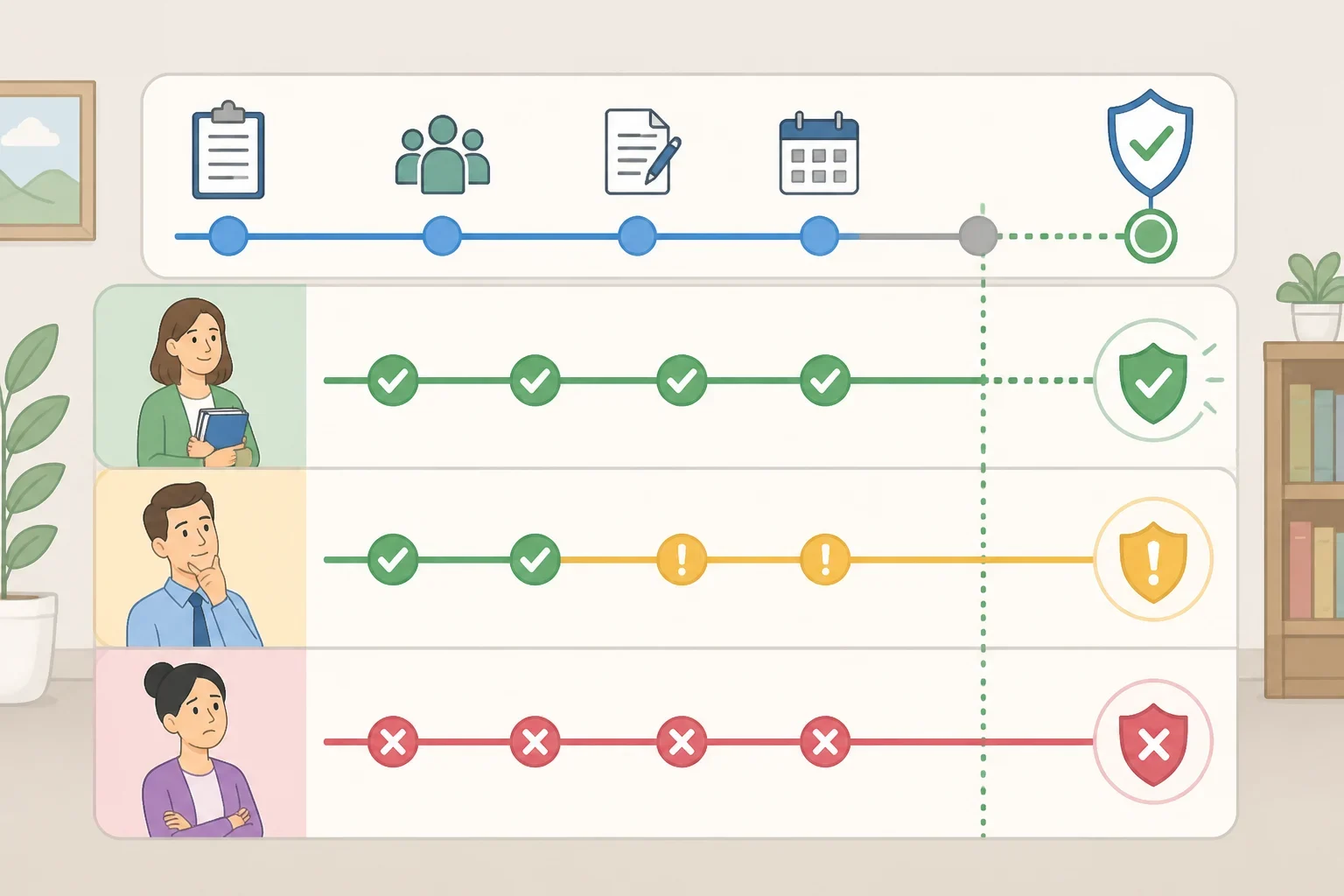
Public statements about coverage don't fully line up. Microsoft Vice Chair Brad Smith said the standard "will apply to all schools that Microsoft has contracts with, starting Nov. 1" (Education Week).
A separate Education Week report describes the same Nov. 1 date differently, saying school districts "can ask to add the new language to new or existing contracts with Microsoft products" starting then (Education Week). Neither Microsoft's nor AFT's public materials spell out how those two descriptions fit together: whether existing contracts pick up the new terms automatically, or whether a district has to request an amendment before the protections take hold there.
What both sides agree on: AFT says districts can build these terms directly into their Microsoft customer agreements, which makes the protections contractually enforceable once adopted, including the ability to end a contract and seek damages from a vendor that breaks the rules (AFT). That remedy applies to whatever terms a district has actually written into its contract, not automatically to every district with a Microsoft relationship.
What the standard's protections cover
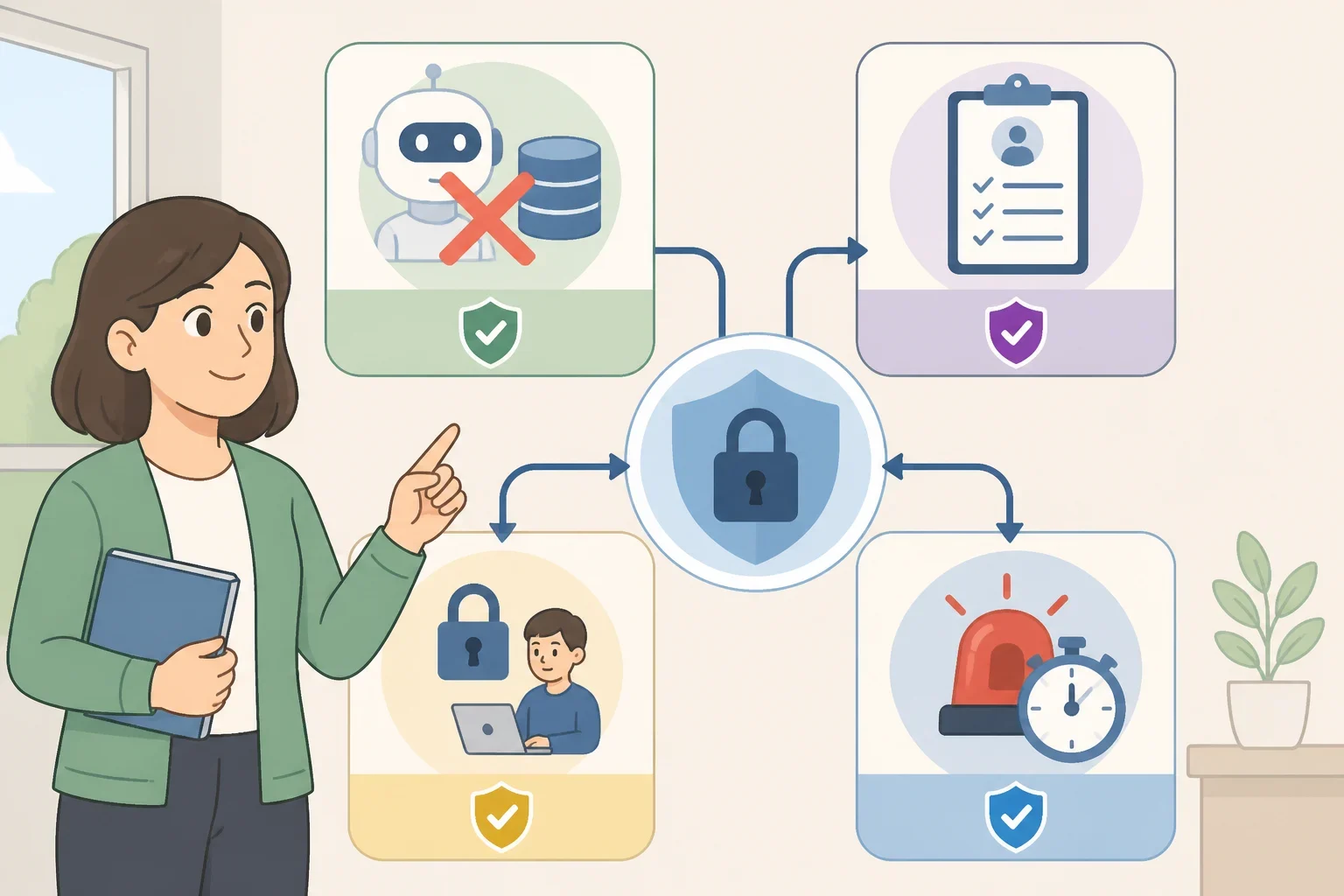
Education Week's reporting on the agreement lists nine specific contract provisions. Here's what they say, based on the language each organization has made public:
- No AI training on student data. Microsoft's agreement bars using student, educator, or customer data to train or improve its AI models, with one narrow exception carved out for safety-related purposes. The standard defines "student data" broadly, covering grades and behavioral records as well as writing prompts, memory files, student work, and keystroke or eye-tracking data that could reasonably identify a student (Education Week).
- Security standards extending to third-party tools. Data handled by third-party vendors named in reporting, including Khanmigo and PowerSchool, would need encryption, controlled access, independently tested security, and a breach-response plan (Education Week).
- Breach responsibility that outlasts a contract. Microsoft would retain a standing duty to alert customers and help mitigate a breach even after a contract ends (Education Week).
- Data minimization for higher-risk features. Tools would need to limit unnecessary data collection, with features such as biometrics, memory, profiling, and tracking subject to additional review (Education Week).
- Control resting with students and customers. Export, retention, and deletion decisions would belong to students and customers, not Microsoft, and that data could not be sold for advertising or repurposed for product development (Education Week).
- Plain-language disclosure. Students and families would get plain-language explanations of how the AI tools work and how privacy is protected (Education Week).
- Equitable access for students with disabilities. AI tools would need to provide fair access to features for students with disabilities or other special needs (Education Week).
- A ban on AI "companions." Chatbots built to simulate human relationships or provide ongoing personalized emotional support would be explicitly prohibited (Education Week).
- 72-hour breach reporting. Breaches would need to be reported within 72 hours and remediated (Education Week).
Microsoft and AFT describe an additional layer on top of those nine: a requirement for human oversight before an AI system makes any consequential decision about a student (Microsoft; AFT). Together, those descriptions cover close to ten distinct protections, though the count comes from combining separate statements rather than from a single numbered list in the public agreement text.
What the rules don't fully answer
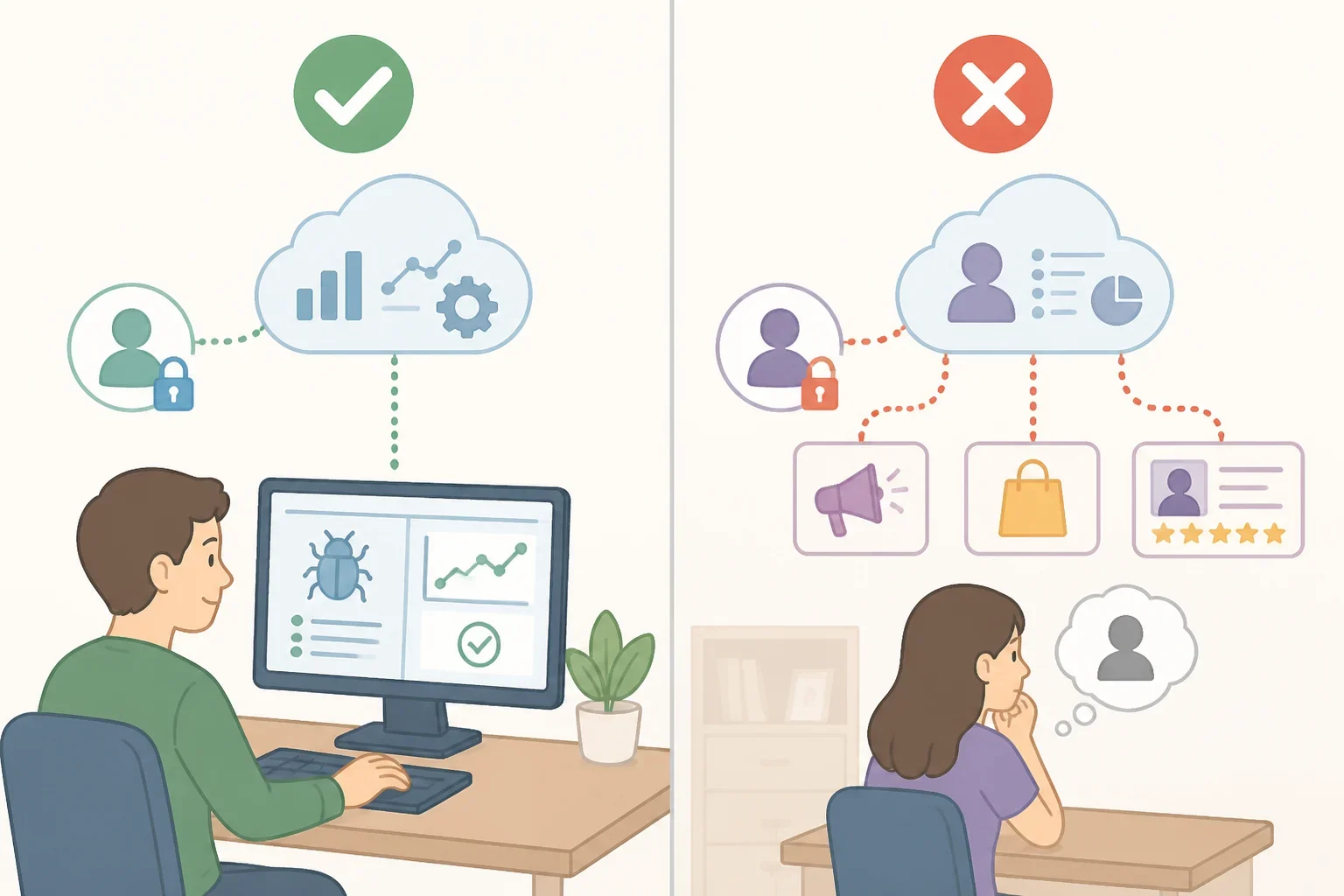
The training ban has a carve-out worth understanding. De-identified "telemetry" data, information about how students and teachers use a tool, can't be used to train AI models, build advertising, or create student profiles, but it can still be used for debugging, security work, or to "improve products," a phrase the public agreement language doesn't define further (Education Week). What counts as "improving products" versus building a profile isn't spelled out.
Third-party coverage is named but not thorough. Reporting confirms that specific vendors like Khanmigo and PowerSchool would need to meet the encryption and access-control terms, but it doesn't establish that every third-party tool connected to Microsoft products is automatically covered under every provision (Education Week). A school using a lesser-known AI plug-in through its Microsoft account shouldn't assume the same protections apply without checking.
Default settings are a separate matter from the standard itself. Copilot Chat ships default-off for K-12 students, with administrators controlling age-based enablement as students move through grade levels (Microsoft). That setting exists regardless of whether a given district has adopted the privacy standard, which means a student's actual access to Copilot depends on local configuration, not just on whether the broader agreement applies.
Other AI companies haven't matched these terms. OpenAI called the standard "an important milestone for AI safety and privacy in schools," while Anthropic said it was working with AFT to align its own terms with the emerging standard but had not formally signed on as of this week's reporting (Education Week). These protections describe Microsoft's agreement specifically, not a rule that governs every AI tool a school might use.
Questions for your district
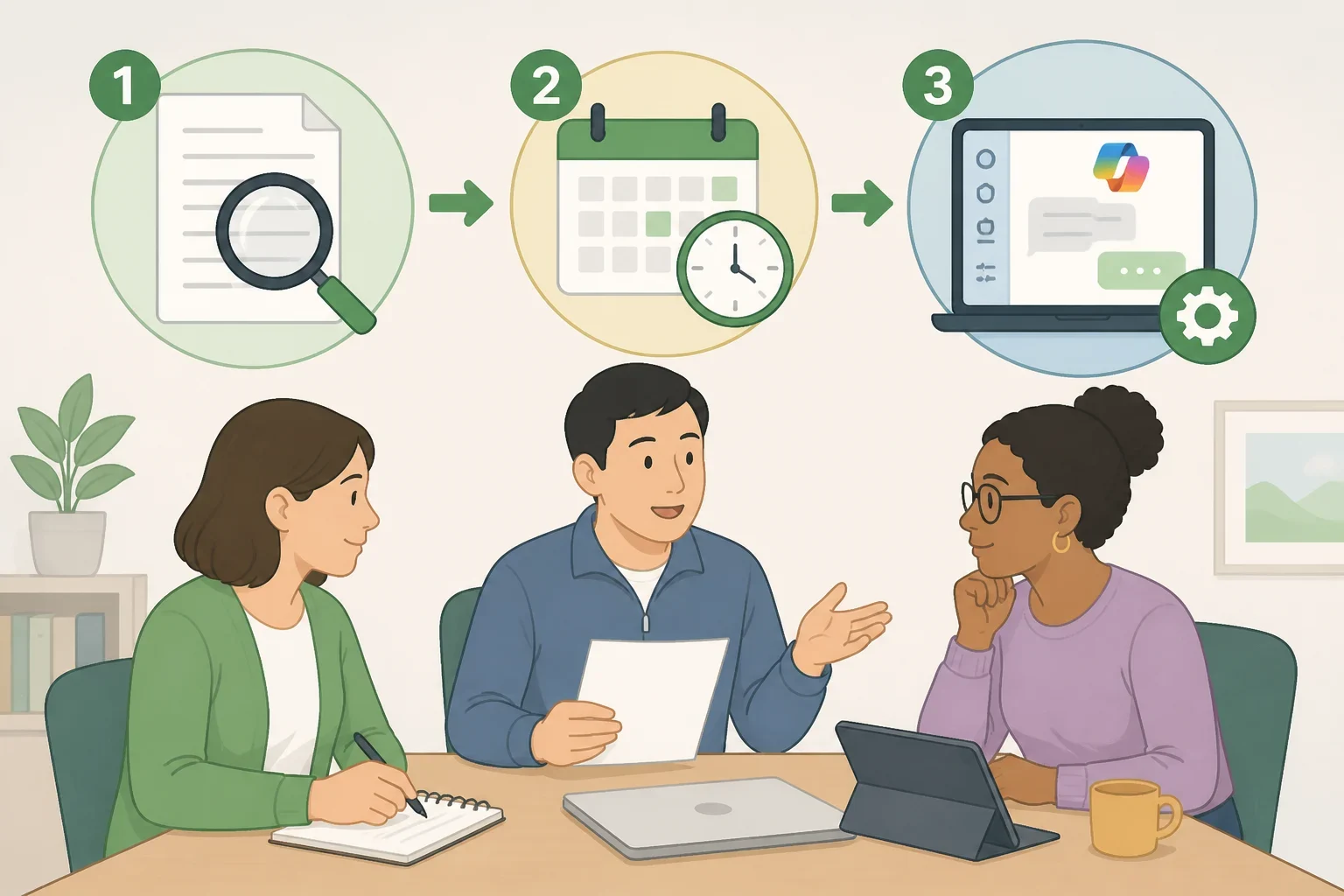
Parents, teachers, and administrators trying to confirm whether the standard applies at a specific school can bring a short list of questions to the district's technology office or school board: whether the new contract language has actually been added to the district's Microsoft agreement, what effective date applies locally, which products and third-party integrations (such as Copilot Chat, Khanmigo, or PowerSchool) fall under that language, how Copilot Chat is currently configured for different grade levels, and where to find the plain-language family disclosure the standard describes.
That contractual remedy explained above, ending a contract and seeking damages, only applies to what a district has actually written into its agreement (AFT). Until a district confirms the language is in its contract, the protections described here represent terms Microsoft has agreed to offer, not terms guaranteed to be active at a specific school already using Microsoft products.