
- NYC schools AI moratorium explained for 2026–27
- What is the NYC schools AI moratorium?
- Why parents raised concerns about AI in NYC classrooms
- Which students are covered by the NYC public schools generative AI ban?
- Mamdani’s AI policy for New York City public schools: Screen time and oversight
- What families and educators should check next
NYC schools AI moratorium explained for 2026–27
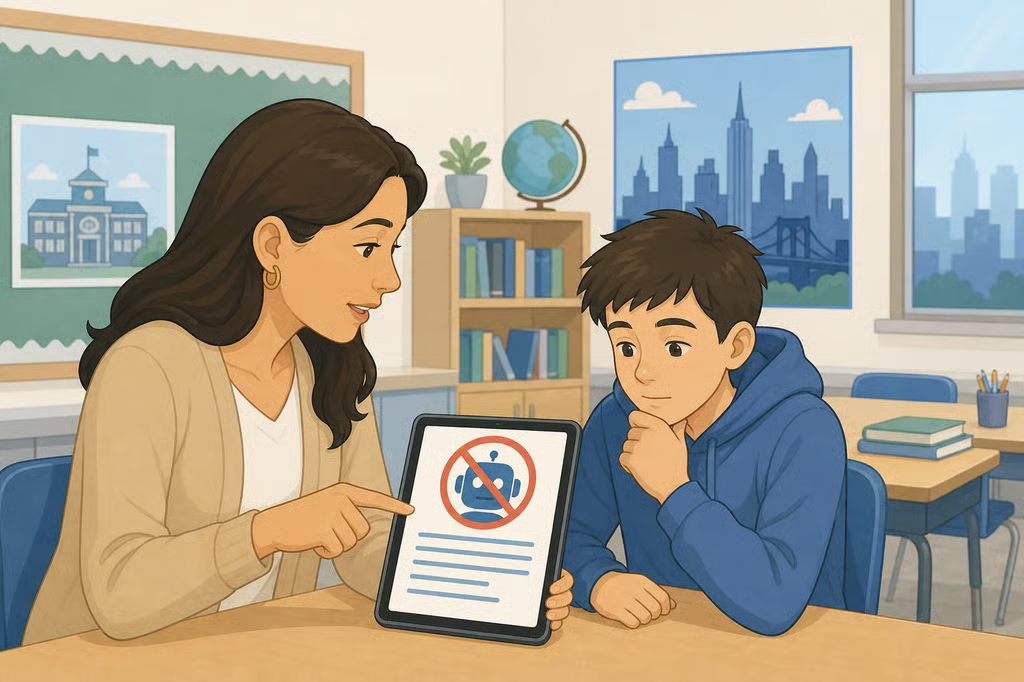
Parents who discovered generative AI in classroom tools used by their children brought their concerns to Public Advocate Zohran Mamdani’s office, adding to the public debate over school AI guardrails, according to the NYC Public Advocate. Earlier last month, Mayor Mamdani and Schools Chancellor Kamar Samuels announced a one-year NYC schools AI moratorium for the 2026–27 school year. The policy affects nearly 600,000 public school students, or about two-thirds of the system, according to the Mayor’s Office.
The moratorium is broader than a restriction on one chatbot. It covers student-facing generative AI software, limits companion chatbots across all grades, and sets different rules for younger students, high school students, teachers, students with disabilities, multilingual learners, and career-readiness programs. Families should check the student’s grade and the specific classroom tool before assuming that every form of AI use is prohibited.
What is the NYC schools AI moratorium?
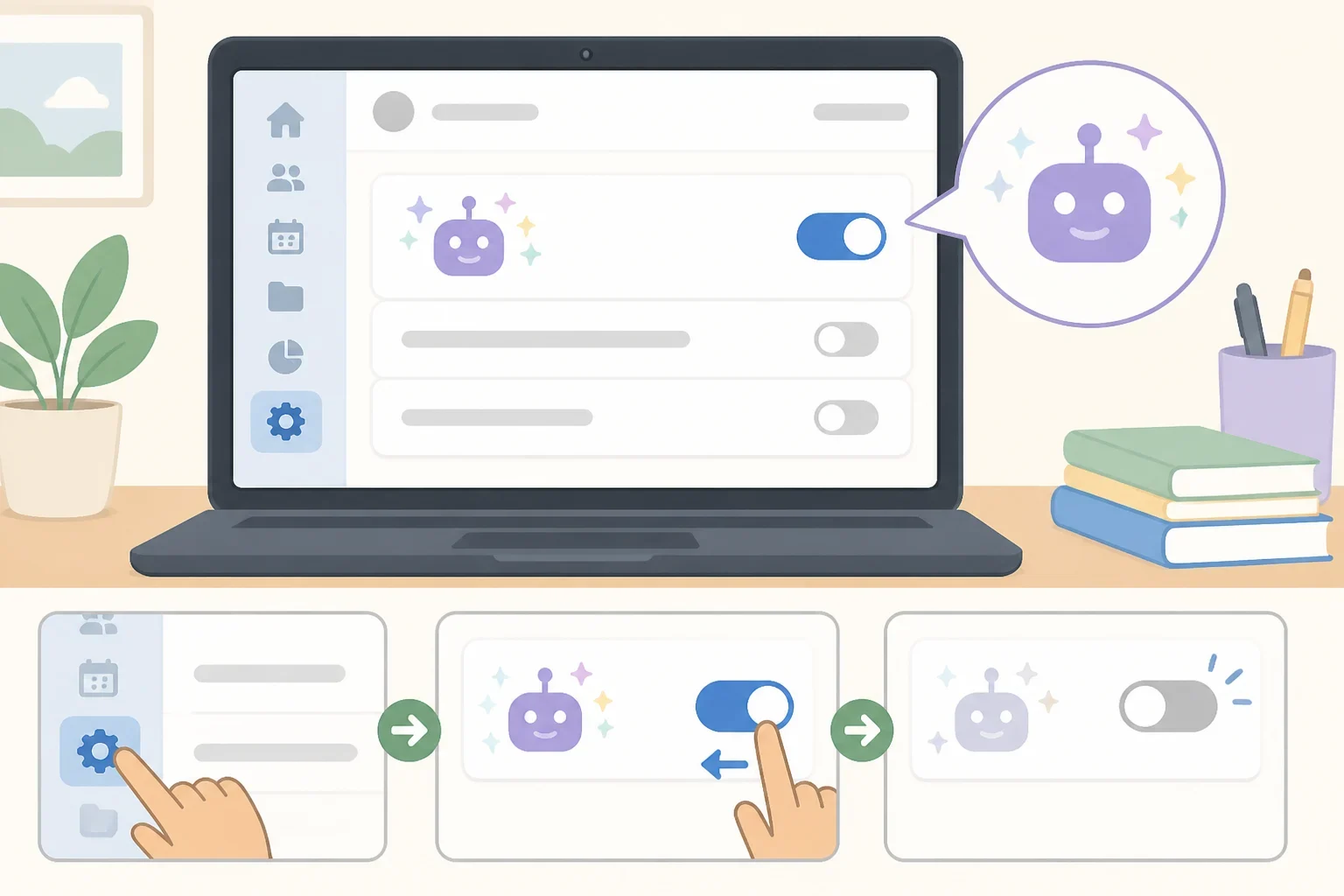
The policy establishes a one-year moratorium on student-facing generative AI for students in 2-K through eighth grade during the 2026–27 school year. City officials described it as the nation’s most expansive student-facing AI moratorium, according to the Mayor’s Office.
The restriction applies to all software that uses student-facing generative AI, not only familiar chatbots. Companion chatbots are prohibited across all grades, including high school, according to the same Mayor’s Office announcement.
That distinction matters for families because generative AI may be built into a reading, tutoring, writing, or curriculum platform rather than presented as a separate app. In a press conference, city officials said AI features in Tier 1 curriculum products would be turned off when the product allows that separation. The officials specifically mentioned Amira and HMH products. If the AI cannot be disabled, the product will be removed from schools, according to the NYC Public Schools transcript.
A useful question for a family is: Which digital tools does the school provide, and does any tool include a student-facing generative AI feature? The answer may differ from whether a student has independently used a public chatbot.
Why parents raised concerns about AI in NYC classrooms
Parents learned that AI was present in their children’s classrooms and took those concerns to the Public Advocate’s office. The office released a report later that month about AI’s role in New York City schools and the need for guardrails, according to the NYC Public Advocate.
Parents also described their concerns differently depending on the age of their children. Parents of younger students tended to refer to what they had heard or read about AI’s dangers. Parents of students in higher grades more often pointed to concrete classroom experiences, according to The 74 last month.
The available reporting does not establish how many parents contacted the office, which schools or products were involved, or whether families were seeking a complete ban, disclosure, or an opt-out process. The parent account is best understood as part of the public discussion surrounding school AI rules, not as a complete record of every family’s position.
That distinction can help families ask more precise questions. A parent of a younger child may want to know whether the student is encountering generative AI at all. A parent of a high school student may need details about a particular tool, classroom activity, or supervised pilot.
Which students are covered by the NYC public schools generative AI ban?
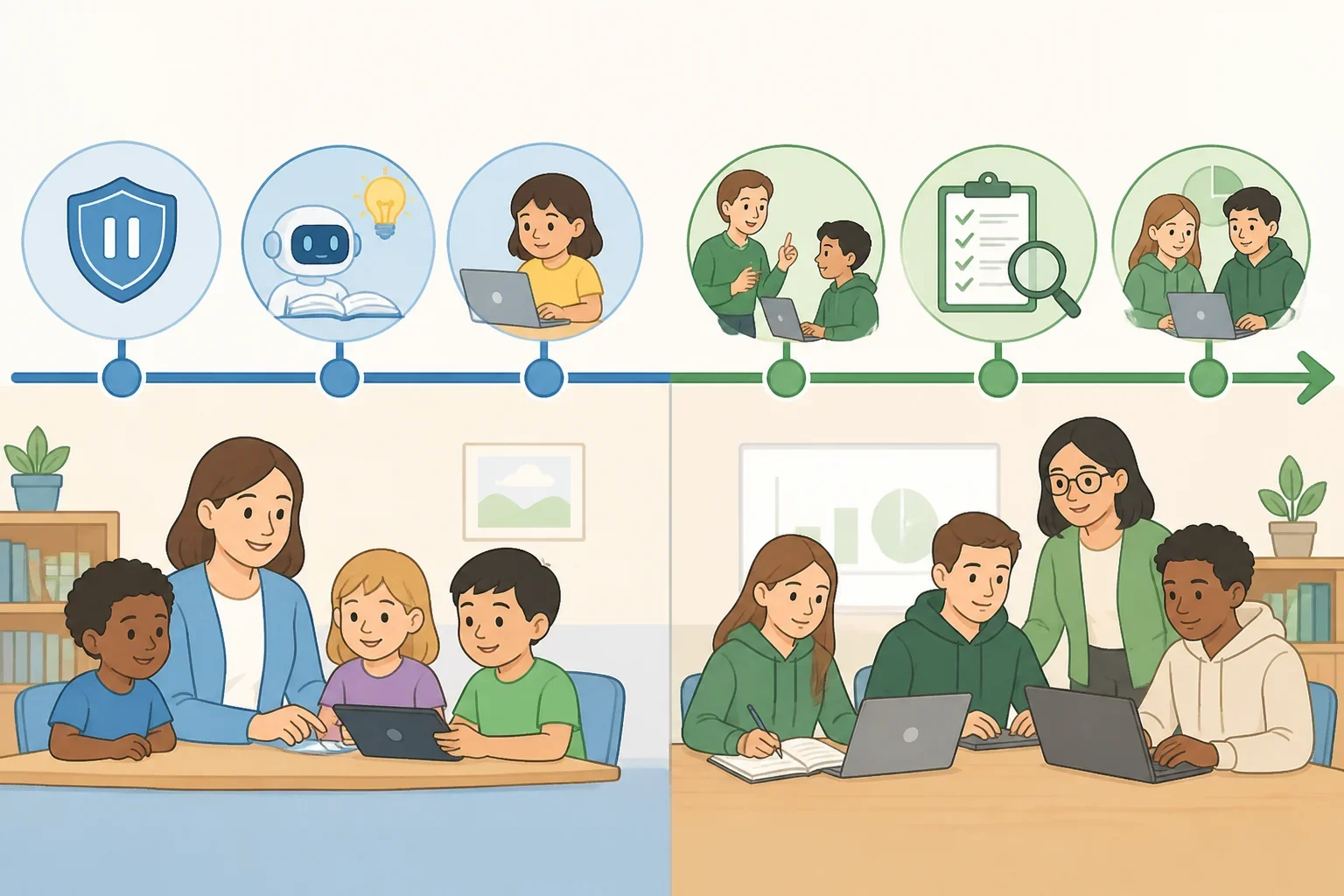
Students from 2-K through eighth grade are covered by the moratorium on student-facing generative AI during the 2026–27 school year, according to the Mayor’s Office. The announced AI pilots are limited to high school classrooms.
High school students follow a different track. All high school students will have access to twice-yearly AI critical-thinking modules. The two 45-minute lessons are intended to address what AI is and is not, bias, risks, ethical considerations, and the effects of AI on careers and future skills, according to the Mayor’s Office.
The policy also allows five limited AI pilots for a maximum of 50,000 high school students in general education classes, approximately 5% of the public-school student body. The pilots may operate in no more than five classes per high school. Any use will take place under the direct supervision of a trained educator and involve AI tools reviewed under the city’s stated safety and data-privacy standards, according to the Mayor’s Office.
The policy includes exceptions for:
- Assistive technology used by students with disabilities
- Supports for multilingual learners
- Career-readiness programs, including computer science
These categories do not identify every product or classroom situation. Families should confirm with the school how an exception applies, which tool is involved, and whether the student’s use is part of an approved activity.
The age-based structure means that “AI ban” is not a complete description of the policy. Younger students face the moratorium on student-facing generative AI, while high school students have access to AI literacy instruction and may take part in limited pilots. Teacher use and specific exceptions are handled separately.
Mamdani’s AI policy for New York City public schools: Screen time and oversight
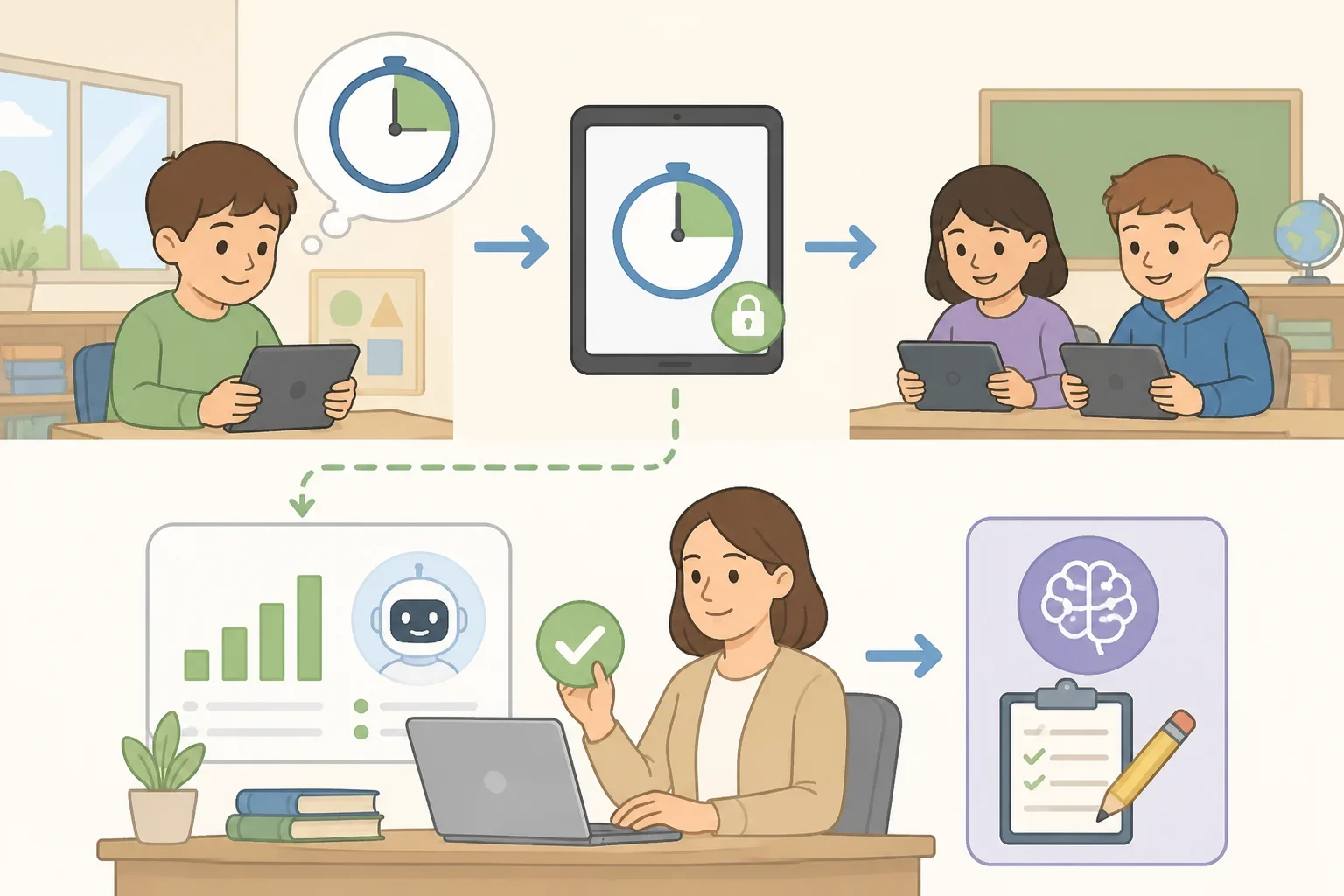
The announcement also includes a separate screen-time policy. Students in second grade and below will have restricted 1:1 screen time. The city recommends daily caps of 30 minutes for grades 3 through 5 and 45 minutes for grades 6 through 8, according to the Mayor’s Office.
Teachers may continue using AI for instructional planning and operational tasks when the tools comply with NYC Public Schools safety standards. That permission applies to adult school use and does not create general permission for students to use the same tools, according to the Mayor’s Office.
The city also plans to convene a Technology in Schools Coalition during the 2026–27 school year. The group will include students, educators, family leaders, elected officials, community advocates, union representatives, and subject-matter experts. Its work will evaluate the moratorium and the high school pilots, with a report and recommendations for future school years, according to the Mayor’s Office.
The policy calls for every technology tool used in NYC Public Schools to undergo an exhaustive review. Tools may be barred if their functionality is determined not to be essential to learning, according to the Mayor’s Office. This review extends beyond products identified as using generative AI.
What families and educators should check next
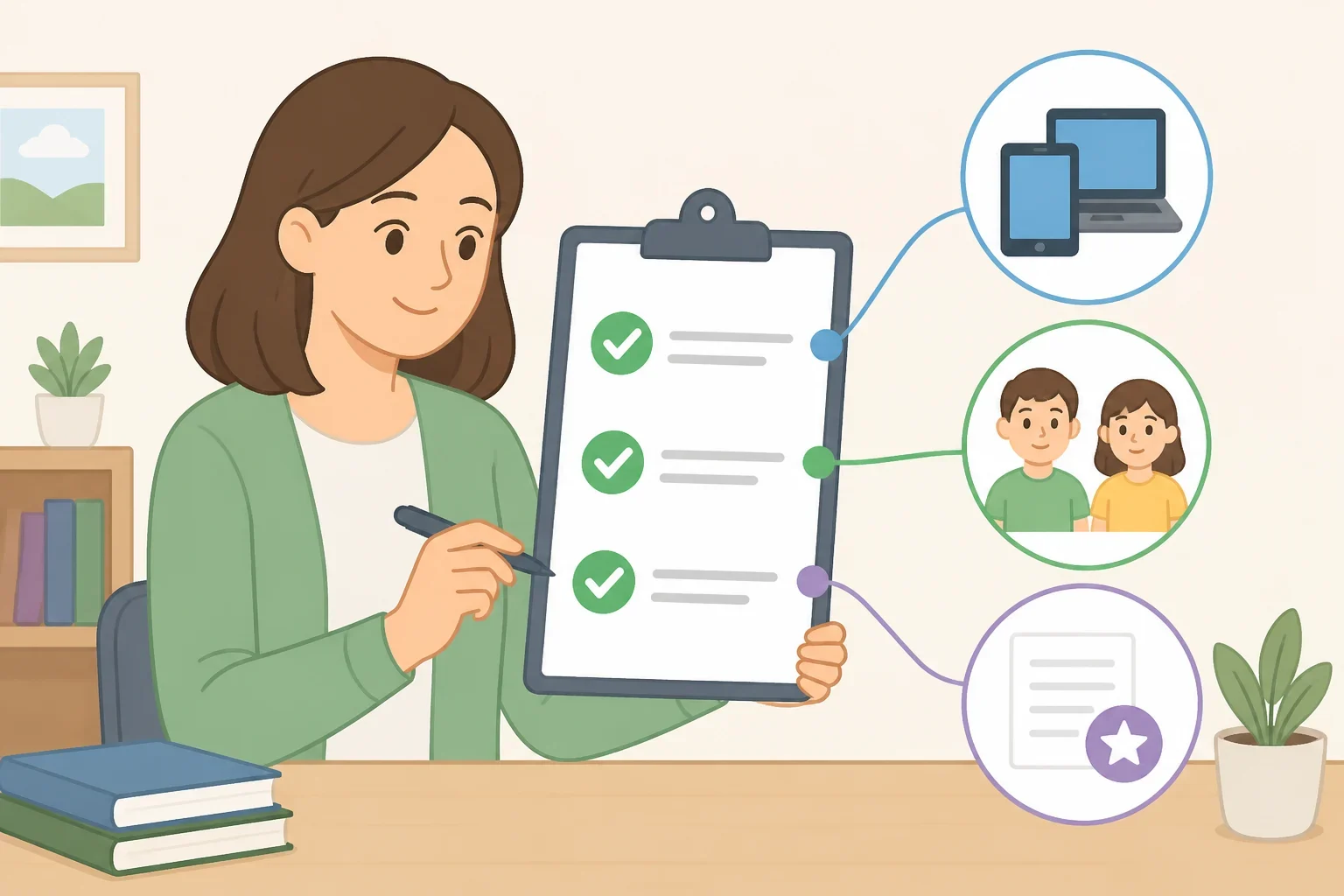
For the 2026–27 school year, the central question is not simply whether a school uses “AI.” It is how a specific tool is used, who uses it, what grade is involved, and whether an exception or supervised pilot applies.
Parents and guardians can contact the child’s teacher or principal and ask:
- Which classroom technology tools have been disabled or removed?
- Does a tool used by the student contain a generative AI feature?
- Does the student’s activity fall under an assistive-technology, multilingual-learner, or career-readiness exception?
- Is the school participating in a high school AI pilot?
- Where can families find NYC Public Schools updates about the policy?
Educators can also clarify whether a tool is being used for teacher planning or assigned directly to students. Those are different categories under the announced policy. Checking the exact product, grade level, and classroom purpose will give families a clearer answer than relying on the broad label “AI.”