
- Alpha School bootcamp requirements: heart monitors, jobs
- What are the Alpha School bootcamp requirements?
- What the Alpha School heart monitor test involves
- The Alpha School student Twitter follower requirement
- Why the AI-focused Alpha School bootcamp is drawing attention
- What families should ask before enrolling
Alpha School bootcamp requirements: heart monitors, jobs
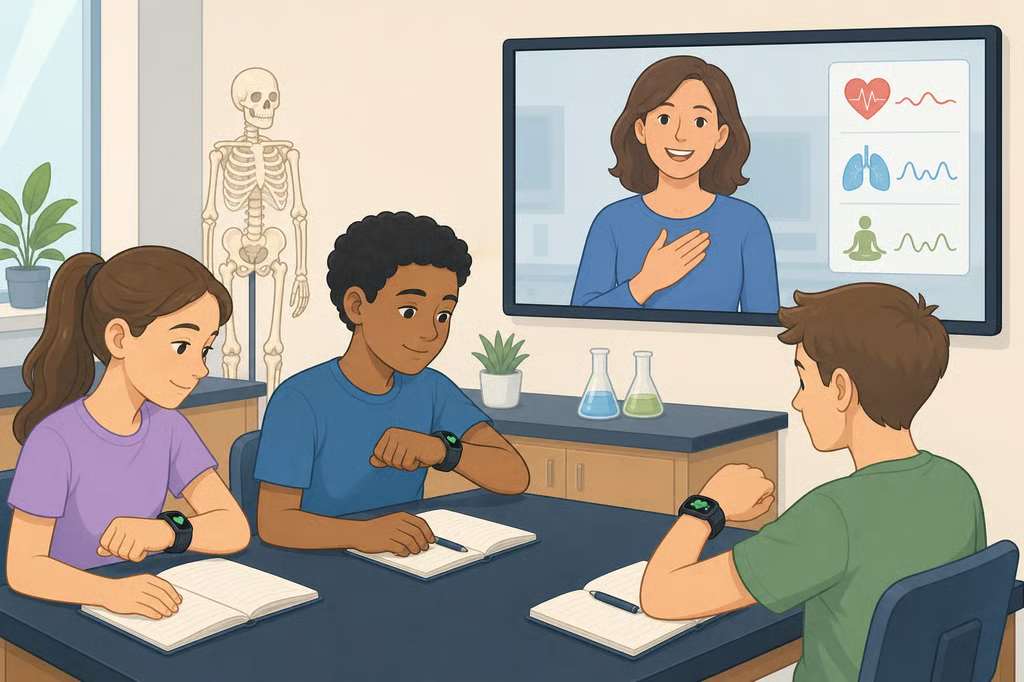
Incoming high school students at the AI-focused Alpha School are being asked to watch videos of their parents describing their worst qualities while wearing heart monitors. To pass, their heart rate cannot rise more than 10%, according to reporting published Friday by The 74.
The exercise is part of Alpha School bootcamp, an eight-week program for students entering Alpha High. The program includes unpaid “dirty jobs,” public social-media goals and self-directed academic challenges. Much of the available detail comes from student posts, Alpha’s own website and statements, and outside reporting rather than an independent inspection of the program.
For families considering the private, voucher-eligible network, the practical question is not only whether the tasks sound unusual. It is also how the school defines success, what happens when a student does not meet a target, and what alternatives are available.
What are the Alpha School bootcamp requirements?

Bootcamp runs through the first eight weeks of high school at Alpha’s private K-12 network. Alpha describes it as a shared threshold for students entering the rest of Alpha High, combining remediation, life skills and accelerated work rather than serving only as an academic placement test, according to a follow-up published earlier this month by Cognitive Resonance.
Alpha’s Bootcamp microsite lists 18 life-skill tests, each with a description and a stated measure of success. Some students have reported receiving 21 tasks instead, The 74 reported Friday.
The school says the tasks are not intended to be single-attempt, pass-or-fail tests. Students have unlimited opportunities to try again, apply feedback and demonstrate mastery, according to Alpha’s description cited by The 74.
That does not mean the timing and consequences are irrelevant. One student told Benjamin Riley, whose follow-up was cited by The 74, that students who do not complete Bootcamp within the allotted time can be placed in a group called the “Pirate Ship.” The student said that placement brings fewer privileges, including missing workshops.
The available reporting does not establish whether every Alpha campus uses exactly the same list, schedule or consequence structure. Families should request the current task list for the specific campus and grade before treating the online microsite as a complete enrollment guide.
What the Alpha School heart monitor test involves
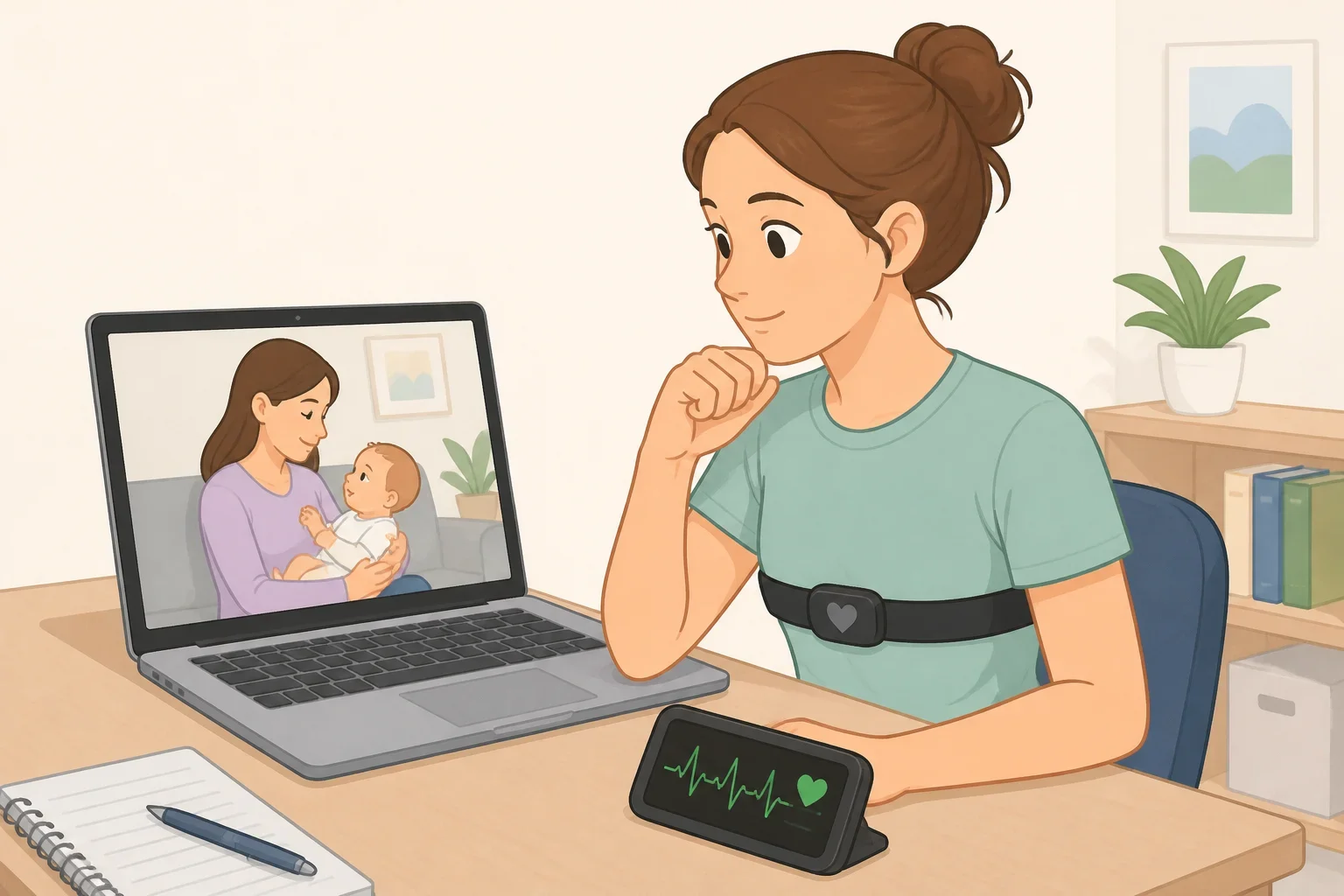
The heart-rate challenge asks students to receive at least three pieces of honest criticism from a parent video and return their heart rate to within 10% of their resting baseline. Alpha presents the exercise as practice in hearing difficult feedback without shutting down, according to its website as described by The 74.
Student accounts show that the same exercise can feel very different from one learner to another. One student who said she experiences serious anxiety described the activity as a way to recognize that public criticism might be less frightening than she had imagined, The 74 reported Friday. Another student said they barely stayed below the cutoff and had shaking hands for the rest of the afternoon, according to the same report.
A parent who wrote about the task earlier this month said the exercise initially worried him. He also said it led to a long conversation with his son about identity, growth and becoming a young man, The 74 reported.
Those accounts are not an evaluation of the exercise. They do show why the details matter. Parents need to know whether the video is shown privately or in a group, who sees the heart-rate information, whether recordings are kept, and how a student can raise concerns before participating.
Alpha has said that some students receive individual accommodations that modify certain tasks in consultation with their parents. The school has not publicly detailed how often that happens or what criteria guide those decisions, according to Cognitive Resonance. That statement should not be read as proof that a formal disability-accommodation process exists for every campus.
The other widely discussed requirement is the “Dirty Jobs” challenge. Students must find an unglamorous job, such as cleaning public restrooms, mucking horse stalls or clearing restaurant grease traps, and perform it for several days without pay, according to The 74.
Students are also asked to record themselves narrating the work. The transcript is audited, and Alpha’s stated success metric is zero instances of complaining or “victim language,” The 74 reported Friday.
Alpha has explained the task as a way to practice continuing through difficulty without viewing oneself as a victim of the situation, according to Cognitive Resonance. The reporting does not establish how the school handles workplace concerns, student discomfort, or disagreements about what counts as complaining. Those are questions families should ask in writing.
The Alpha School student Twitter follower requirement

Bootcamp students must gain 100 “authentic” Twitter/X followers by Oct. 9, according to one student’s post cited by The 74. The student described the followers as people who are not bots, purchased accounts or simply friends, and said failure to meet the goal meant failing the requirement.
Alpha says the goal is not only about posting. In a follow-up published Sept. 9, Cognitive Resonance quoted the school’s explanation that audience-building should provide feedback and help distribute a student’s work. Alpha describes 100 followers as an early benchmark for whether a student is beginning to understand how to build an audience.
That creates a practical distinction for families to examine. Is the student learning about communication, digital identity and audience feedback, or is the student also expected to promote Alpha publicly? The available reporting shows that Alpha encourages students to tweet about their experiences, while some of those posts also serve as evidence of what Bootcamp involves, The 74 reported.
Other tasks place the responsibility for academic preparation largely on the student. One student reported being given five days to teach themselves an entire AP unit, use the official syllabus and take the official AP exam to demonstrate a score of 5, according to The 74.
Another student said they had to raise their SAT score by 150 points independently by Oct. 9. That goal, like the follower target, is a student-reported requirement cited by The 74, not an independently verified outcome.
A retired AP macroeconomics teacher criticized the approach, writing that students miss the depth that comes from learning with a knowledgeable teacher, The 74 reported. The disagreement points to the central instructional choice in Bootcamp: students are expected to demonstrate independence, but the school must still explain what direct teaching, coaching and feedback are available when independence is not enough.
Why the AI-focused Alpha School bootcamp is drawing attention
Bootcamp sits within Alpha’s broader “2 Hour Learning” model. Students use adaptive AI software for core academic work in the morning, then spend the rest of the day in projects and life-skills workshops, according to Oklahoma Watch.
Human staff are called guides. They monitor progress, provide motivation and emotional support, and lead afternoon workshops rather than serving as conventional classroom teachers, The Texas Tribune reported three weeks ago. Oklahoma Watch reported two months ago that Alpha does not require guides to hold teaching certification, though it says it recruits and trains candidates through its own process, Oklahoma Watch reported.
Alpha has promoted strong academic results. Its reported average senior SAT score is 1545, and its students’ average AP scores range from 4.2 to 4.4, according to Oklahoma Watch. Independent results from charter partnerships have been uneven. At one Texas partnership, the share of students testing at grade level fell from 10% to zero, while an Arizona program reported 28% proficiency in English against a 65% projection and 10% in math against a 60% projection, The Texas Tribune reported.
The network’s expansion adds public-policy interest. After Texas rejected Alpha’s charter application last summer, the company expanded to more than 30 virtual and in-person Texas campuses, most of which were accepted into the state’s voucher program, The Texas Tribune reported. The state checked four eligibility criteria and did not require the private schools to meet state curriculum standards or demonstrate that Alpha’s model would produce student success.
MacKenzie Price and her husband, Andy, donated more than $2 million to Texas legislators and political action committees connected to the voucher effort, according to The Texas Tribune. Price personally gave more than $1.5 million to Gov. Greg Abbott’s campaign committee over the last three years, the newspaper reported. Those figures document political donations, not a proven cause-and-effect relationship between the donations and Alpha’s eligibility.
What families should ask before enrolling

The public record describes an ambitious program, but it does not answer every question a family needs answered. Before enrolling, ask the campus for:
- The complete Bootcamp task list, weekly schedule and success metrics.
- A written explanation of what happens when a student misses a deadline or enters the “Pirate Ship.”
- Whether heart-rate readings, videos, transcripts and social-media information are stored, who can access them, and when they are deleted.
- Whether alternatives or individual accommodations are available for recorded, biometric or physically demanding tasks.
- How the 100-follower requirement is graded and whether students may use a private account.
- The credentials, responsibilities and availability of guides during academic work and workshops.
- Which academic results are independently verified, and which are Alpha’s own reports.
A student already enrolled can ask these questions in writing before the next Bootcamp deadline. The key issue is not whether every learner will respond to the program in the same way. It is whether the school can clearly explain the requirements, the limits of its data collection, the available support and the academic consequences of not meeting a target.