
California AI safety executive order: what Newsom’s plan requires
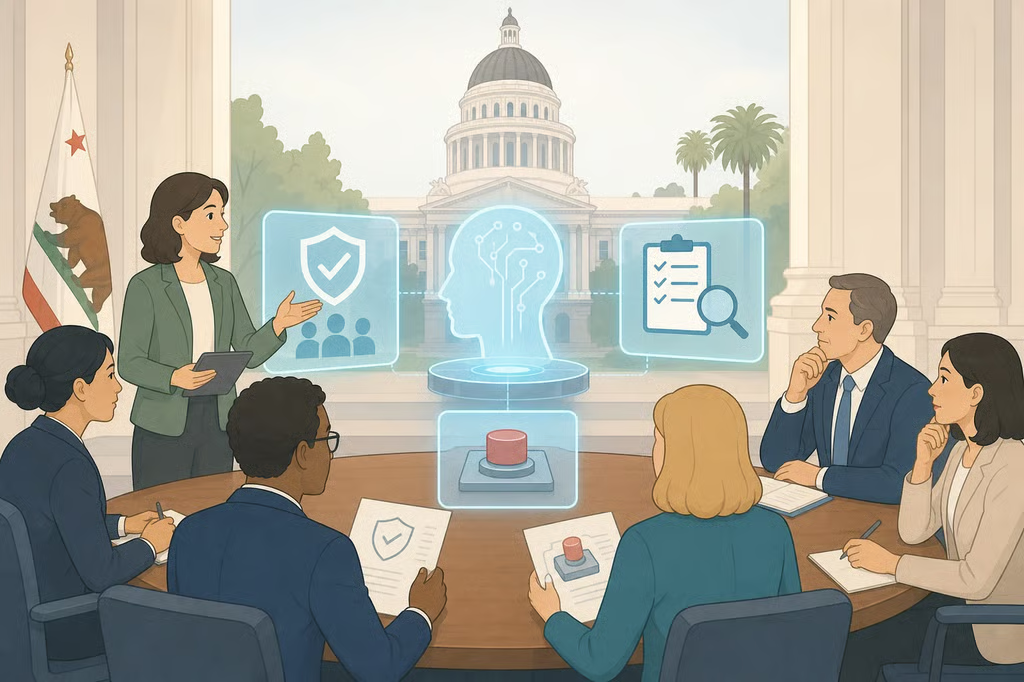
California’s new AI safety executive order accelerates state work on independent oversight and asks experts to develop recommendations for a possible “kill switch” for frontier models. But the most attention-grabbing ideas, including onsite independent verifiers and emergency shutdown systems, remain proposals under consideration rather than confirmed requirements for AI companies. The governor’s office announced the order last week.
The order builds on Senate Bill 813 and Assembly Bill 1405, which Newsom signed earlier this month. SB 813 creates a framework for Independent Verification Organizations, or IVOs, while AB 1405 establishes a state registry for AI auditors and standards for their independence, transparency, and integrity. The administration described the bills as new safeguards for third-party assessments.
On Wednesday, Sept. 23, Newsom announced four advisers who will help develop the recommendations. Their work is due within two months of the order, putting the expected timeframe at approximately Nov. 18, according to the order. The governor’s announcement identifies the group and its assignments.
For students, educators, and professionals researching AI governance, the central distinction is straightforward: some oversight structures have been enacted, while the proposed onsite model and kill switch still require further policy action.
What the Newsom AI executive order changes
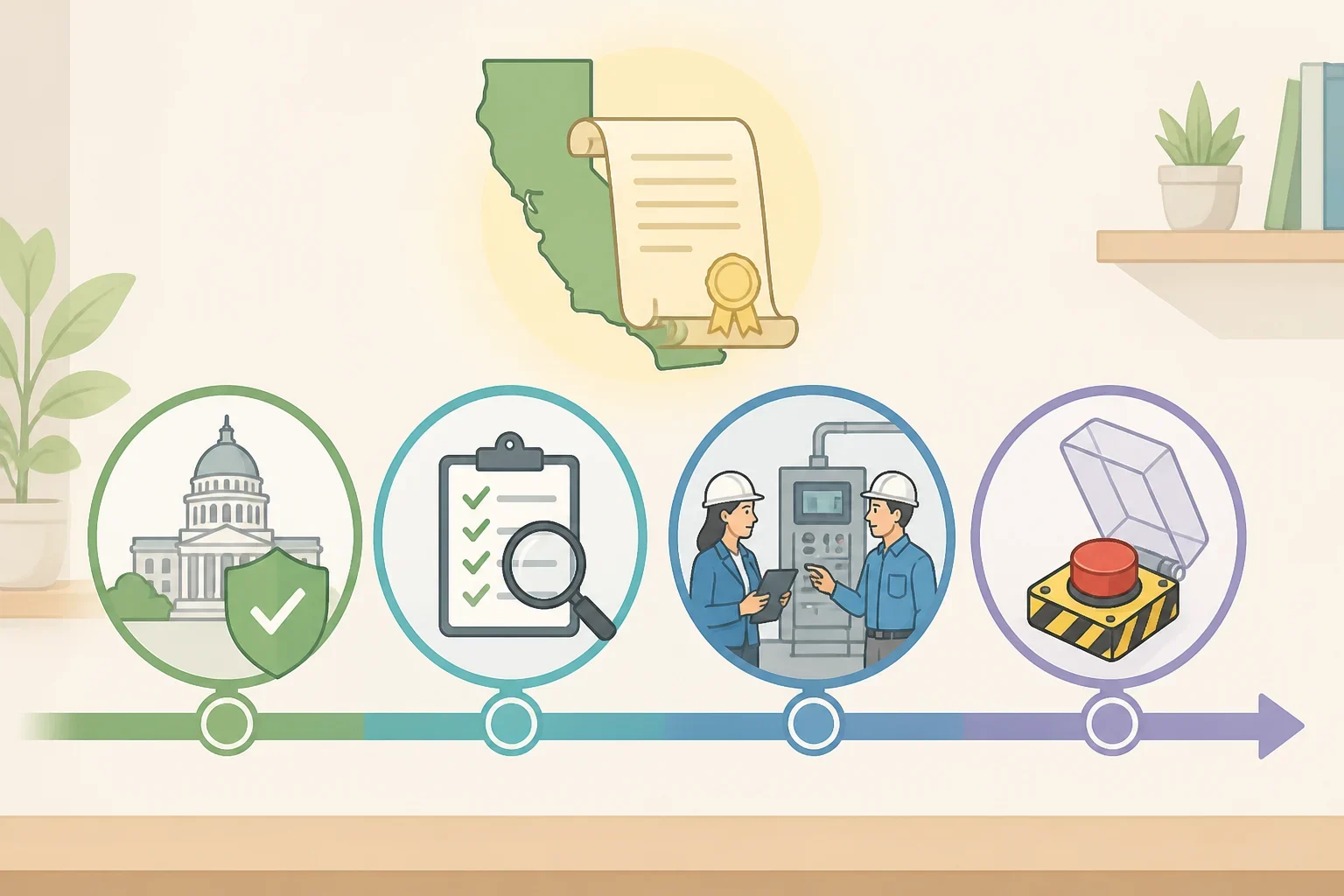
The order directs the Government Operations Agency to accelerate implementation timelines for SB 813 and AB 1405. It also directs the agency, in consultation with the Governor’s Office of Emergency Services, to convene experts and develop recommendations for possible changes to state law. The Sept. 18 order describes those recommendations as part of a broader effort to strengthen AI safety and security laws.
That wording matters. The announcement says officials are to consider new requirements, including onsite verification and a model shutdown mechanism. It does not say that companies must already host an IVO onsite or maintain a working kill switch.
The proposed onsite approach would place a designated independent verification organization inside a frontier AI company’s laboratories to conduct regular audits and evaluations. A related proposal would have IVOs verify the safety frameworks, transparency reports, and risk assessments that frontier AI companies are required to file under existing state law. The governor’s office lists both ideas as potential changes, not current duties.
An IVO, in plain terms, would be an outside organization with the expertise and independence to assess an AI system or model for safety and risk. The proposed role is more specific than simply hiring a consultant: the organization would evaluate company claims against standards and would need to remain independent from the company being assessed.
What SB 813 and AB 1405 establish
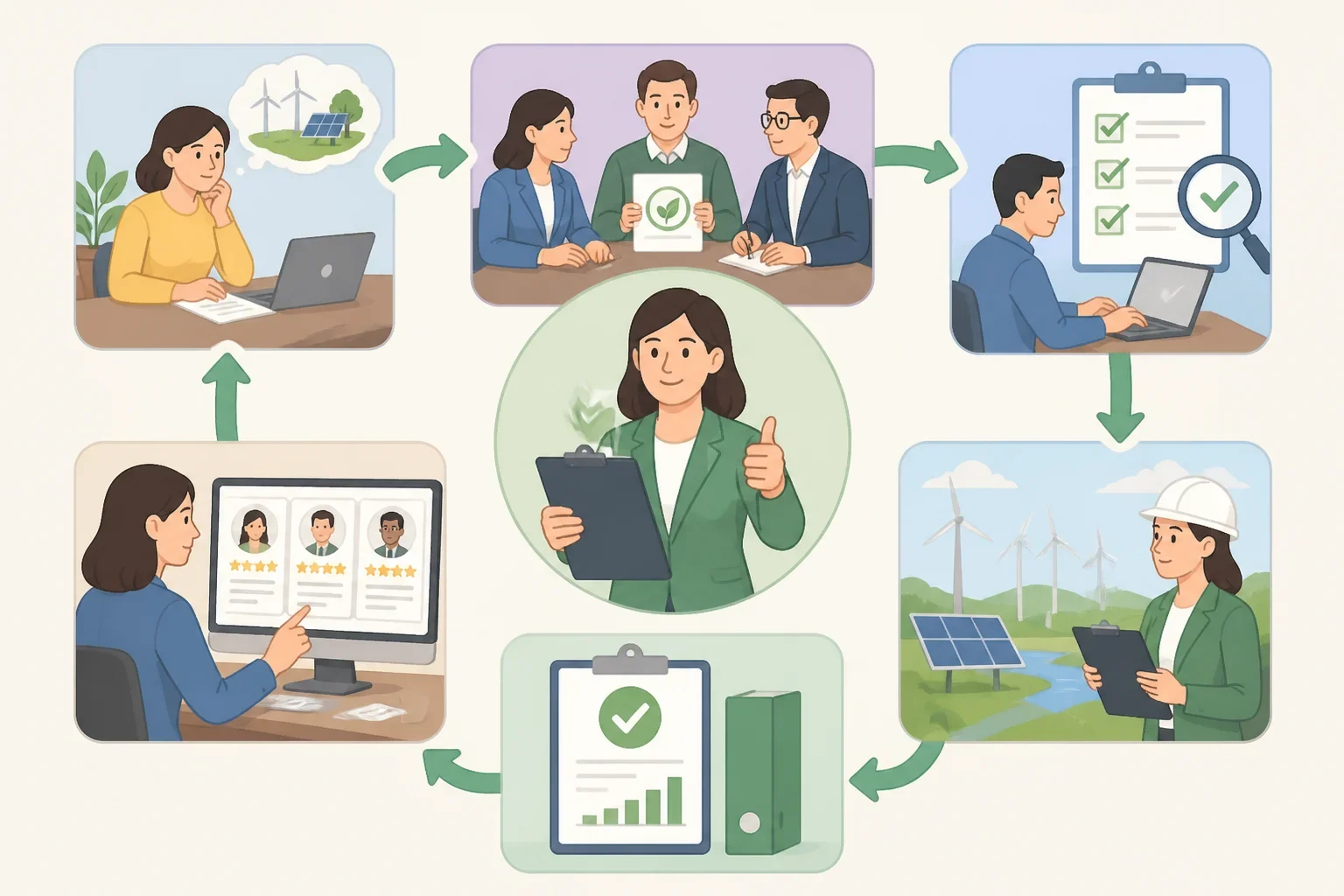
SB 813 is the part of the framework that addresses independent verification organizations. It establishes a voluntary framework under the direction of the Government Operations Agency and provides for IVOs to assess AI systems and models. Sen. McNerney’s office says the law also addresses appropriate expertise, credible assessment methods, and independence from the entities being evaluated.
“Voluntary” is the key limit. SB 813 does not amount to a universal mandatory audit system based on the supplied description. It creates the structure for qualified organizations to participate in independent assessments, along with working groups to help identify AI safety standards and approaches for evaluating systems.
AB 1405 takes a different route. It creates a state registry for AI auditors that assess AI systems and models for compliance with state law. The law also establishes standards related to auditors’ independence, transparency, and integrity. The administration says the registry is intended to support credible third-party auditing.
The supplied research confirms that SB 813 takes effect Jan. 1, 2027. It does not establish the same effective date for AB 1405, so that date should not be applied to both laws without checking the bill text or an official legislative implementation notice.
The administration has called the two measures “first-in-the-nation” safeguards. That is the governor’s characterization, not a conclusion this article independently establishes. For readers working on a class assignment or policy brief, attribution should stay attached to that description.
How the proposed oversight model differs from current law
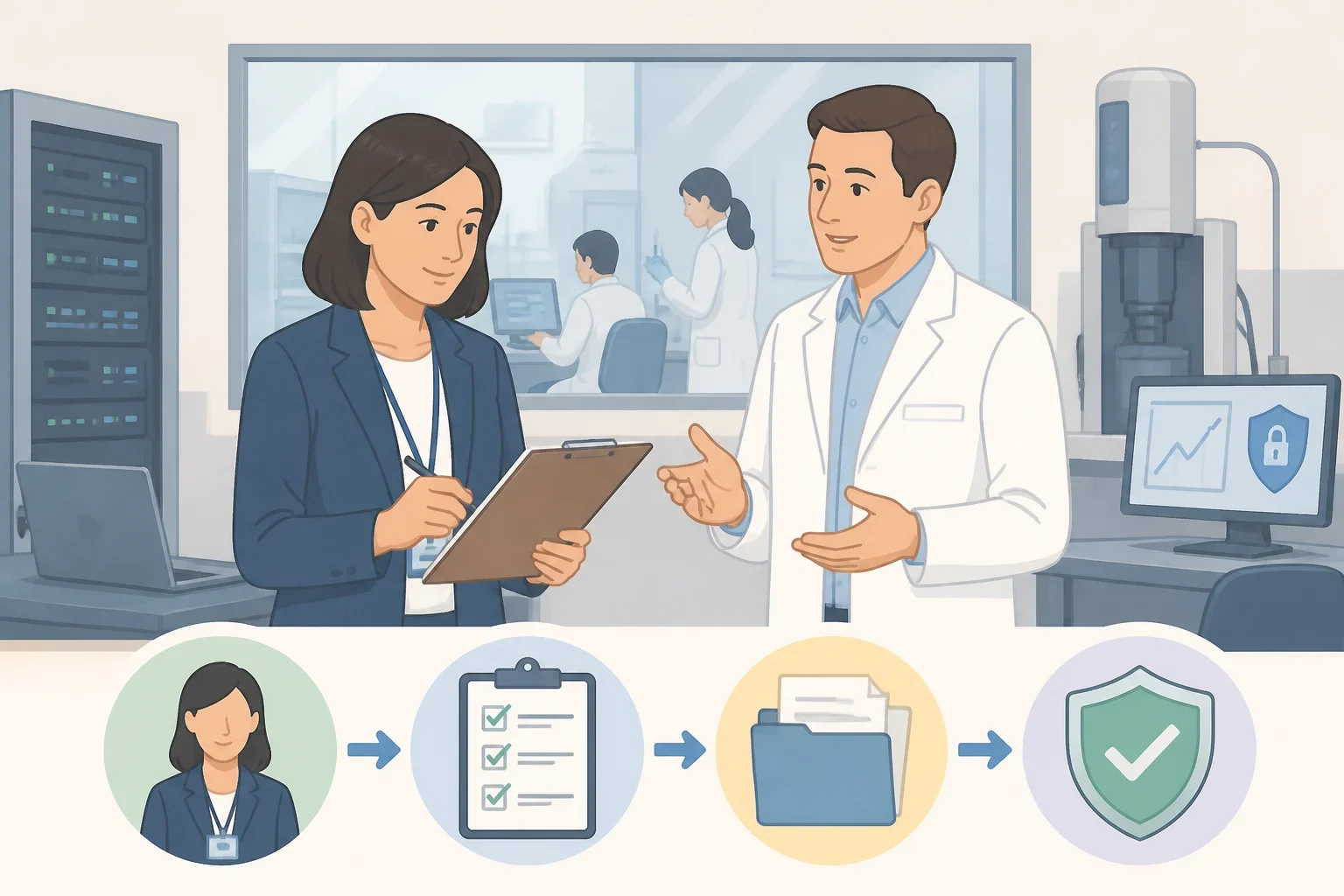
Current law, as described by the supplied sources, creates organizations and standards for independent assessment. The executive order asks whether California should go further by placing a verifier onsite and requiring verification of information that companies already file.
That would change the relationship between AI companies and outside reviewers. Under the existing voluntary framework, an IVO is part of a system for independent assessments. Under the proposed onsite model, an IVO could have a continuing presence inside a frontier company’s operations and could regularly examine safety evaluations and related records.
The order also proposes that company safety frameworks, transparency reports, and risk assessments be checked against standards considered adequate by an IVO. Those standards are not fully set out in the research provided here, and the order’s announcement does not establish an immediate verification mandate.
The proposal builds on SB 53, the Transparency in Frontier Artificial Intelligence Act, signed last year. The law requires large frontier AI developers to publish safety frameworks, report certain critical safety incidents to the state, and protect whistleblowers who disclose serious risks. The governor’s September announcement identifies those transparency and reporting duties.
CSET described SB 53 as a pared-down version of the vetoed SB 1047 that shifts attention from stricter safety requirements toward transparency, including public disclosure of safety protocols. CSET provided that comparison in its 2025 analysis. The new proposal would add an independent verification layer to that transparency-focused structure, if lawmakers or agencies later adopt it.
What an AI kill switch would mean
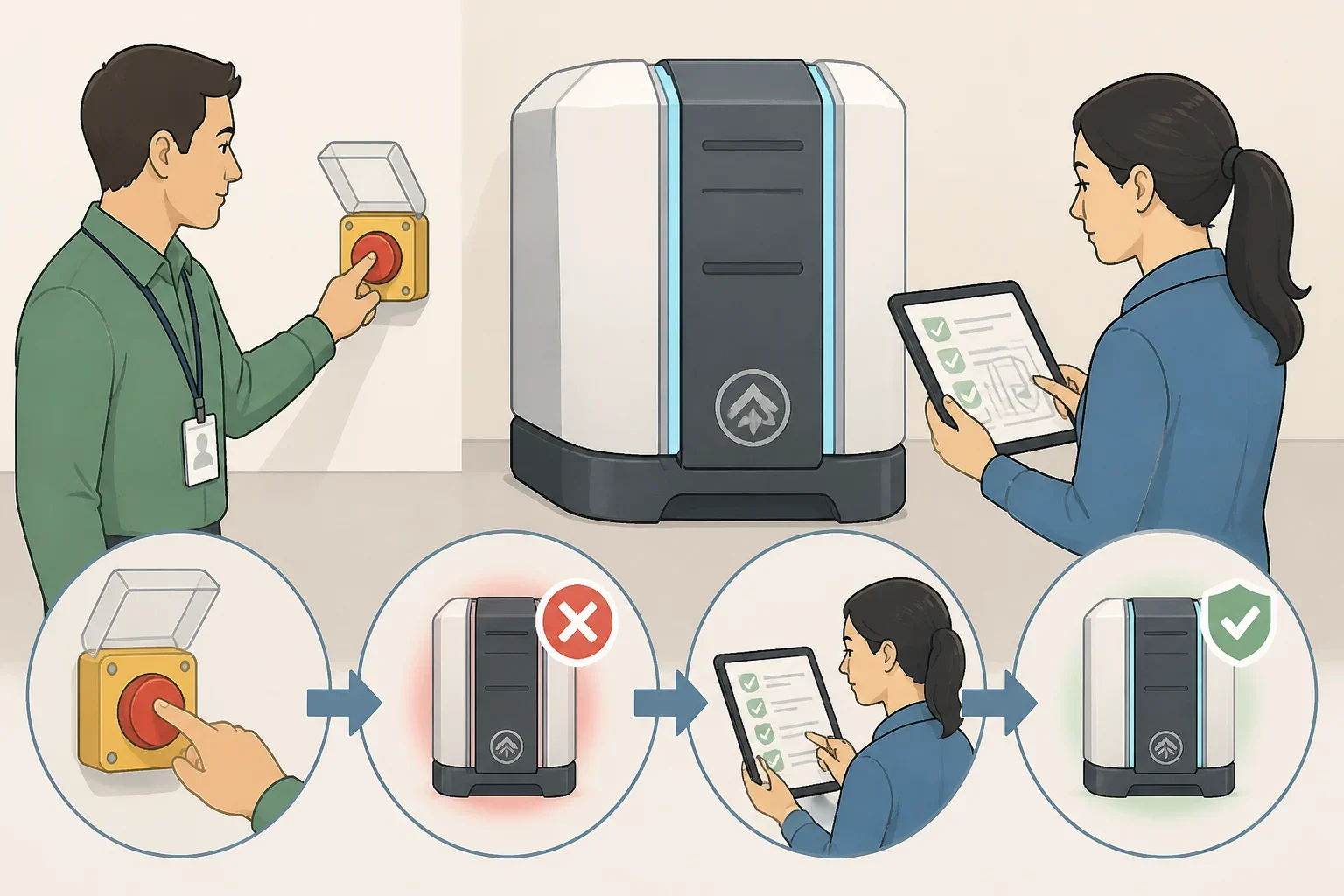
The order asks experts to advance an emergency shutoff, or “kill switch,” for frontier models. It also proposes that an IVO continuously verify whether the switch works. The order presents this as a recommendation for future state policy, not as an operational tool already required of developers.
The basic idea is easy to understand: if a frontier model creates a serious and immediate risk, an authorized party would have a way to stop its operation. The difficult questions are the ones the advisory group has been asked to address, including who controls the mechanism, what evidence shows that it works, and how independent reviewers would test it.
Jason Goldman, one of the advisers, said the order addresses difficult AI safety governance questions, including who verifies a frontier lab’s safety claims and whether a model can be reliably shut down. The Sept. 23 announcement attributes that assessment to Goldman.
The order also proposes expanding the definition of a “critical safety incident” to include loss-of-control incidents such as the Hugging Face attack. The supplied research does not explain that incident, so it should not be described in more detail here. The important point is that an expanded definition would itself require further policy development.
Who will advise Newsom, and what comes next
The advisory group includes Jason Goldman, a board member of the Center for Shared AI Prosperity and the first White House Chief Digital Officer; Gillian Hadfield, a Johns Hopkins professor focused on AI alignment and legal, regulatory, and technical systems; Alondra Nelson, a professor at the Institute for Advanced Study and former acting director of the White House Office of Science and Technology Policy; and Rob Reich, a Stanford professor focused on frontier science and technology governance. The governor’s office announced all four advisers this week.
Their recommendations are due within two months of Sept. 18. The announcement does not say that the recommendations will automatically become law or agency rules. They could instead inform later legislation, administrative action, or further implementation decisions.
Readers tracking California frontier AI regulation should watch three developments:
- How the Government Operations Agency implements SB 813 and AB 1405.
- What the advisory group recommends by approximately Nov. 18.
- Whether California later adopts legislation or agency action requiring onsite verification, verified safety filings, a kill switch, or expanded incident reporting.
For coursework or career research, cite SB 813 and AB 1405 as enacted laws only within the limits confirmed by official sources. Treat “onsite auditor” and “AI kill switch” as proposals under review until a later law or agency action establishes specific requirements.