

- What Is the Education Freedom Tax Credit? 2027 Rules Explained
- What is a Scholarship Granting Organization, and why does its state matter?
- Can your family use this credit?
- How the donor credit actually works
- Education Freedom Tax Credit eligible expenses: what federal materials cover
- Timeline: what's confirmed for the Education Freedom Tax Credit 2027 launch
- What to check before 2027
What Is the Education Freedom Tax Credit? 2027 Rules Explained
The Education Freedom Tax Credit does not send a check to parents. It rewards donors who contribute to approved Scholarship Granting Organizations (SGOs), and those SGOs use the money to fund scholarships for eligible students, Treasury said in a June announcement previewing the program's rules.
That's the detail worth understanding before assuming this federal scholarship tax credit will help pay for next year's tuition, tutoring, or school supplies. Whether a specific child gets a scholarship depends on several conditions stacking up: the family's state has to have opted into the program, an SGO in that state needs available funds, and the student may need to apply under that SGO's own process, since award and selection rules vary by organization. This guide walks through each condition and separates what's confirmed by federal sources from what's still left to states and individual SGOs.
The credit itself is worth up to $1,700 per donor and only applies to contributions made on or after January 1, 2027, according to Treasury's June announcement and the Education Department's fact sheet, released last year. The Education Department reported earlier this year that 23 states had opted in, including Texas, Ohio, and Virginia, according to a January release. That count is now several months old, so families should confirm their own state's current status rather than lean on it.
What is a Scholarship Granting Organization, and why does its state matter?
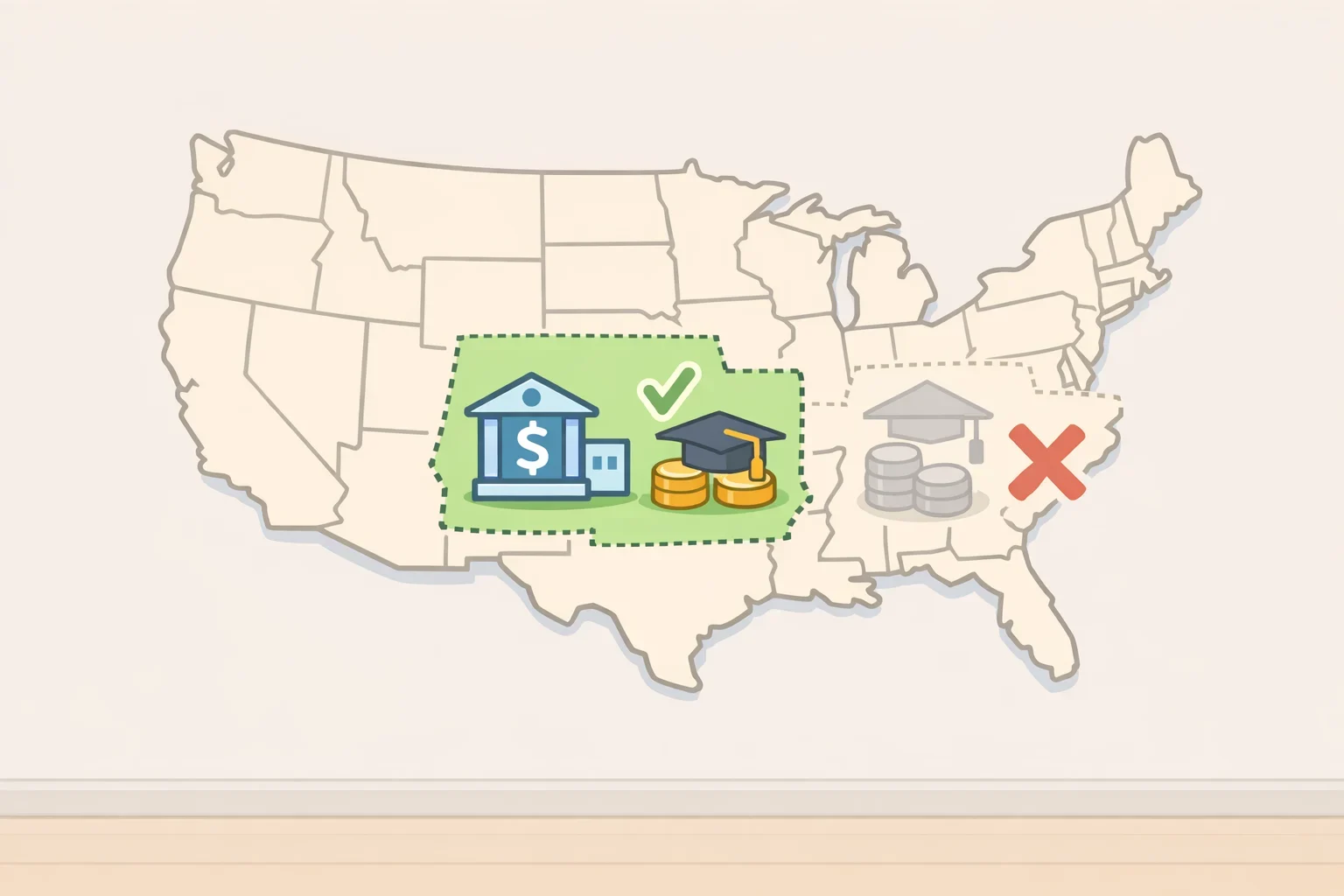
An SGO is a nonprofit that collects donations eligible for the tax credit and turns them into scholarships for K-12 students, per the fact sheet. To qualify, the organization must spend at least 90% of its income on scholarships, avoid funding anything beyond qualified elementary and secondary expenses, and appear on a state's official SGO list, the fact sheet says.
That state listing carries a geographic rule families need to know. An SGO can only fund scholarships for students within the state where it's listed, not nationwide, according to the fact sheet. For any given student, the relevant question isn't which state the donor lives in; it's whether the student lives in a state where an approved SGO actually operates.
States choose whether to opt in at all, and the choice sits with a specific office. Under the statute, a state's Governor, or another entity the state designates to handle federal tax elections, submits an approved SGO list to the IRS by January 1 of each year, per the fact sheet. That designated office, which may or may not be the state education agency, is the one families should contact to confirm opt-in status.
Can your family use this credit?

Four questions determine whether a scholarship is realistically within reach for a specific child.
- Is your child eligible to enroll in a public elementary or secondary school? That's the baseline federal student-eligibility standard, per the fact sheet.
- Is your household income at or below 300% of your area's median gross income? The Department says this threshold is meant to make "most students in participating states" eligible, according to the same fact sheet.
- Has your state opted in and listed an approved SGO? States must voluntarily elect to participate and submit their SGO list to the IRS by January 1 of each year, per Treasury and the Education Department.
- Does that SGO currently have funds and an open application? That's set by the individual organization, not by federal rule, so it varies by SGO and by year.
Meeting the first two questions establishes federal eligibility, which the Department says will cover most students in participating states. It doesn't guarantee a scholarship. Those rules only describe who an SGO is allowed to fund; the SGO itself decides who actually receives an award, based on its own funding levels, application process, and selection criteria, none of which are standardized by federal rule.
How the donor credit actually works
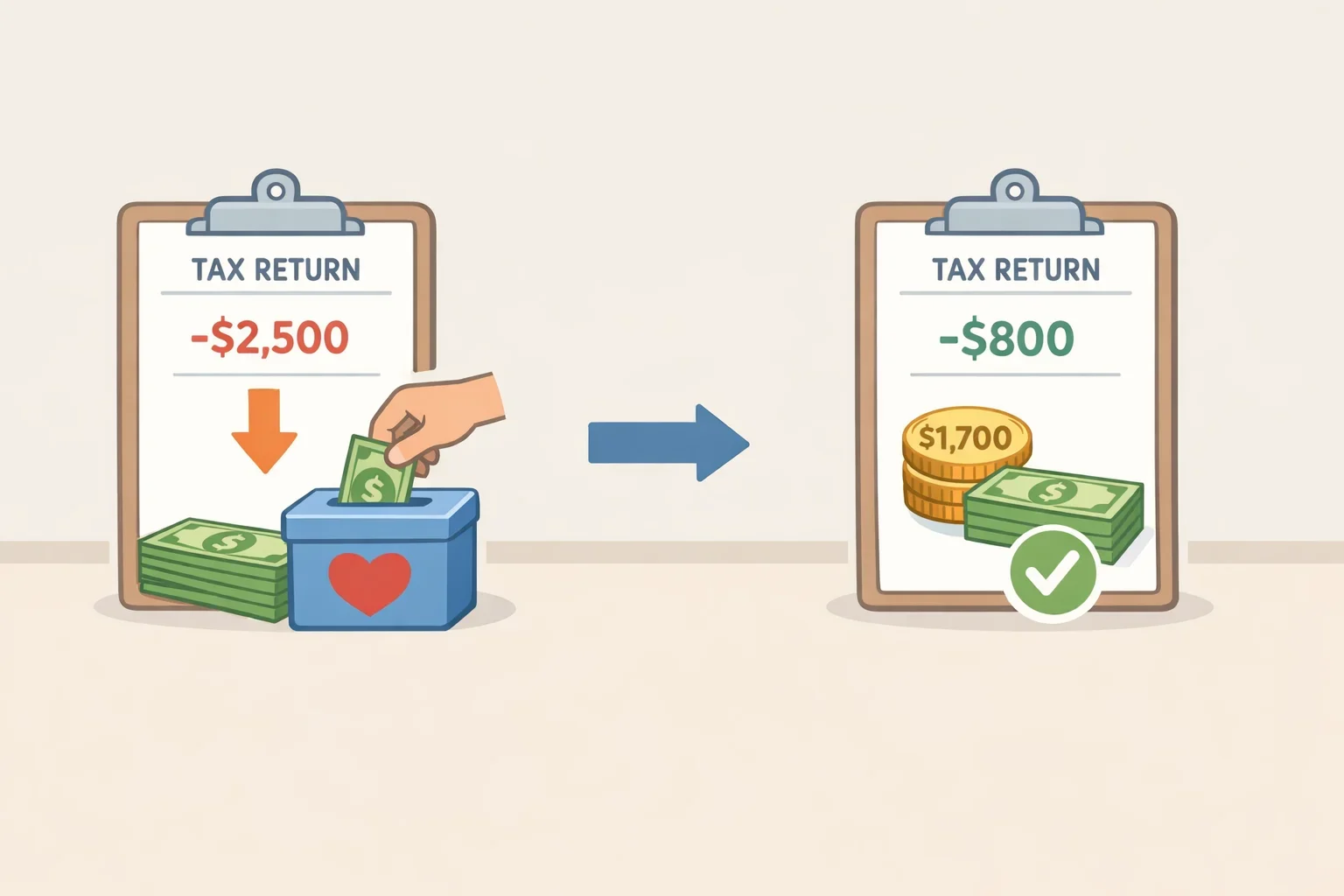
The credit is created under Section 25F of the tax code and goes to individual taxpayers who make qualified cash contributions to an SGO on an approved state list, not to families paying tuition directly, per Treasury. When a taxpayer files an annual federal return, the credit reduces the tax owed dollar-for-dollar, up to $1,700, rather than simply lowering taxable income, according to the fact sheet. If a donor can't use the full $1,700 in the year of the contribution, the unused portion can carry forward for up to five years, the fact sheet says.
The dollar amount reaching a student can look very different from the dollar amount a donor claims. SGOs must put at least 90% of their income toward scholarships, and while a donor's credit tops out at $1,700, the fact sheet says scholarship amounts themselves are not capped and are determined by the awarding SGO based on its own mission. A single SGO could pool many small donations into one larger award; nothing in the federal rules requires a one-to-one match between what a donor gives and what a student receives.
Education Freedom Tax Credit eligible expenses: what federal materials cover
On what a scholarship can pay for, federal materials describe eligible use broadly: any qualified expense connected with or required by a K-12 public, private, or charter school, according to the Education Department's January release. Listed examples span both private and public settings. A student could put a scholarship toward private-school tuition, while a public-school student could use one for tutoring or disability-related support services, per the same release.
Those examples aren't exhaustive, and federal materials don't set a master list of covered items, since each SGO decides what its own scholarships fund within the qualified-expense category. Keep this in mind before talking to an SGO: existing IRS guidance on qualified education expenses excludes items like transportation and room and board, but that guidance governs the American Opportunity and Lifetime Learning credits, both college-level programs, according to the IRS. It doesn't establish what counts as a qualified K-12 expense under this separate credit, a program whose specific rules are still being written. Ask the SGO directly which expenses it will fund rather than assuming college-credit exclusions carry over.
Timeline: what's confirmed for the Education Freedom Tax Credit 2027 launch
Taxpayers can begin claiming the credit only for contributions made on or after January 1, 2027, per Treasury's June announcement. Behind that date sits a multi-step regulatory process. In December 2025, Treasury and the IRS requested public comment on implementing the credit and issued guidance letting states make an advance election to participate for the 2027 calendar year, according to the fact sheet.
Treasury said in June that it expects to release proposed regulations by the end of September 2026, and that states, SGOs, and taxpayers are expected to be able to rely on those regulations for tax year 2027. States must also submit their approved SGO lists to the IRS by January 1 of each year, so the roster of participating states and SGOs could still shift before scholarships become available, an inference drawn from that annual filing rule rather than a change federal sources have reported outright.
As the Education Freedom Tax Credit's 2027 launch approaches, the proposed regulations expected this fall should fill in implementation details that current federal materials don't yet spell out. Treasury's June announcement doesn't specify which details remain open, so families shouldn't assume the current fact sheets are the final word.
What to check before 2027
The Education Department's fact sheet also cites a report estimating the credit could generate $24 billion in additional education funding nationwide each year. That figure describes projected nationwide funding, not a scholarship amount guaranteed to any individual state or family, and it comes from a report the fact sheet cites rather than an independent audit. Like the rest of the federal materials referenced here, it's an agency description of how the program is designed to work, not an independent evaluation of how it will perform once scholarships begin.
Three checks apply to any family trying to plan around this credit:
- Ask your state's designated election office, whether that's the Governor's office or another entity the state names to handle federal tax elections, whether it has opted in and which SGOs made the approved list.
- Contact the specific SGO serving your state directly. Its application dates, available funds, and covered expenses are set by that organization, not by federal rule, making a direct conversation the most direct way to get answers specific to your family.
- Track Treasury's proposed regulations, expected by the end of September 2026, before finalizing any 2027 tax or enrollment plans, since implementation details are expected to be addressed there.
Start with whichever office your state has designated to manage this election, then follow up with the SGO on that state's approved list. Those two conversations, not the federal fact sheets alone, will tell a family whether a scholarship is realistically available for their child in 2027.