

- Common App 2026-27 Application Checklist: First Week Steps
- What changed when the Common App 2026-27 opened
- Common App 2026-27 application checklist: track each college's deadlines
- Starting the essay and Activities and Experiences section
- Recommendations and advisors: confirm before you ask
- What to do by Sunday
Common App 2026-27 Application Checklist: First Week Steps
The Common App opened its 2026-27 application on August 1, giving students access to the platform used by more than 1,100 colleges and universities worldwide, according to a Common App announcement published this week. "Common App's launch always serves as a time to recenter on one goal: simplifying and bringing some joy to the application experience to provide students with postsecondary opportunities," the organization said in that announcement.
For rising seniors, August 1 marks the unofficial start of application season, and the real work of building a Common App 2026-27 application checklist starts now. Most Early Action and Early Decision applications are due between November 1 and 15, according to College Choice Counseling, a college admissions consulting service. That's roughly three months away.
This first week isn't about rushing to submit anything. It's about confirming what actually transferred from last cycle, sorting out each college's specific requirements, and starting the parts of the application that are already finalized.
What changed when the Common App 2026-27 opened
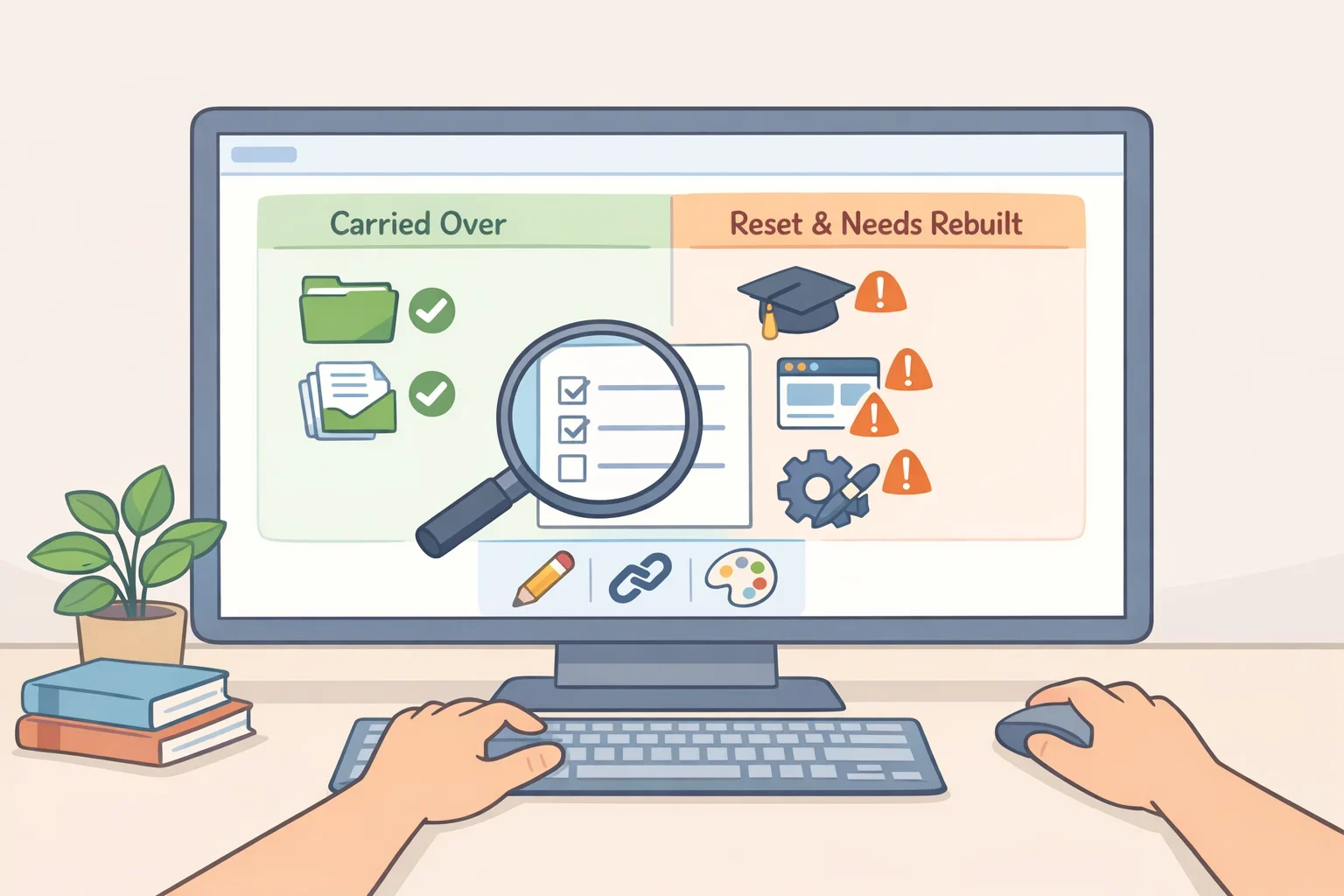
The prior cycle's first-year application closed July 28, and its transfer application closed July 29, just before the 2026-27 application opened August 1, according to College Choice Counseling. Students applying as transfer applicants, or under another specific applicant category, should check that college's admissions page for any instructions beyond the standard first-year process.
Returning users keep their username, password, college list, answers in the My Common Application section, and any advisor invitations, the same source reports. Several other items will not carry over: college-specific supplemental questions, fee-waiver responses, recommender invitations, FERPA Release Authorization, Family Section answers, and responses to any questions that changed or were removed between cycles.
That's the reasoning behind College Choice Counseling's advice, given before the cycle opened, to hold off on anything that wouldn't transfer until after August 1 anyway. That date has now arrived, so those items are ready to complete inside the live application rather than treated as already handled.
Common App's own recommender resources note that account rollover exists so students can open an application years before they intend to apply, which explains why some data sticks around while cycle-specific details reset, according to Common App. Common App says its recommender system will support more than one million students this year.
For a student logging in with a returning account, the first task is an audit. Anything tied to a specific college on the list, including supplements and fee waivers, needs to be rebuilt inside the live 2026-27 application before it's trusted as complete.
Common App 2026-27 application checklist: track each college's deadlines
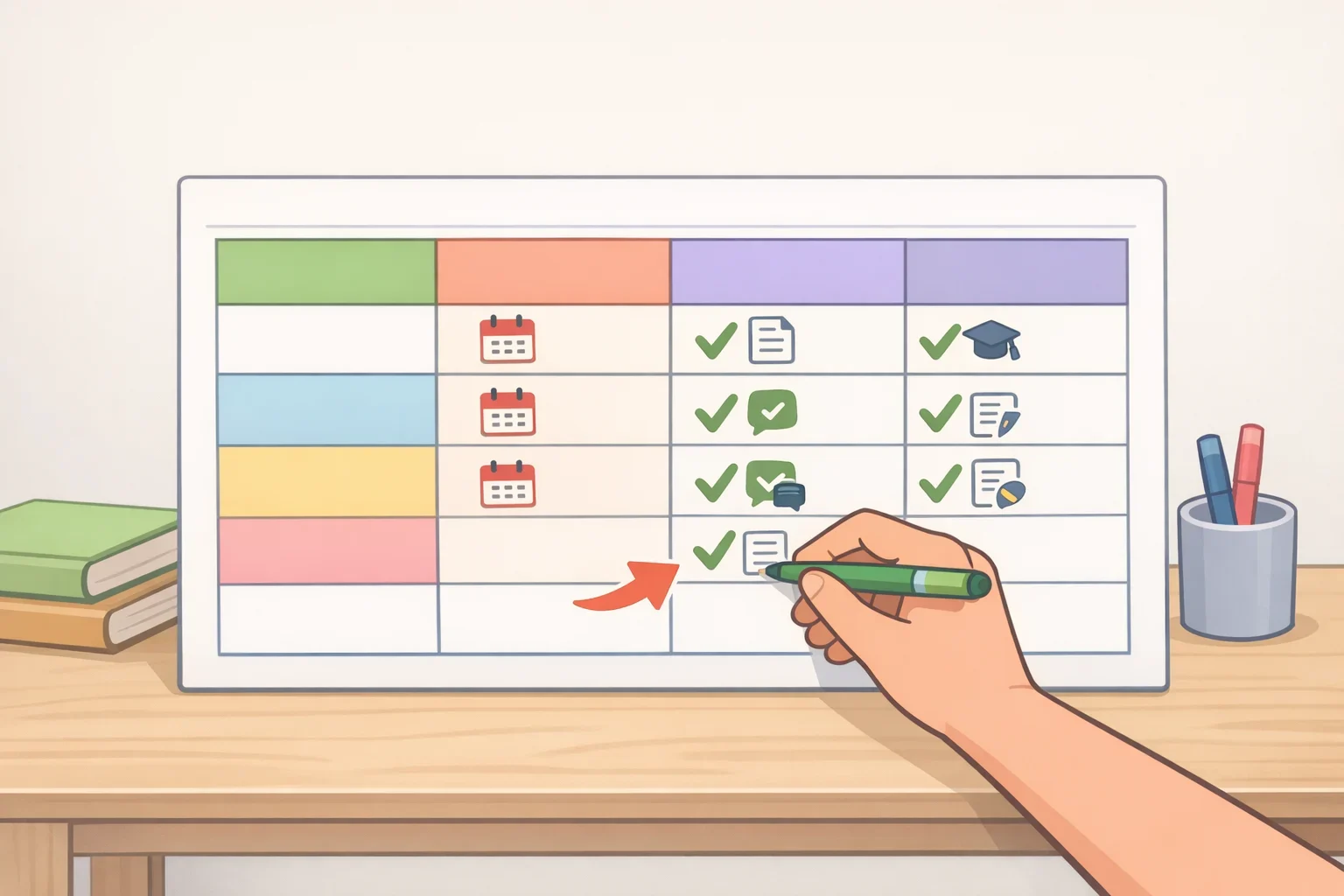
Deadlines vary by college and application plan. For most colleges, EA and ED applications are due between November 1 and 15, while RD applications are commonly due between January 1 and 15, according to College Choice Counseling. The same source separately lists mid-December for ED decisions, mid-December through late January for EA decisions, and mid-March through early April for RD decisions, which are notification dates rather than application deadlines.
Those ranges describe typical patterns, not a rule that applies to every school. The Common App lets students submit one application to many colleges, but each institution sets its own deadline, supplement requirements, and recommendation policy, so the specific date to trust is the one published on that college's own admissions page.
Students can use the first week to build a tracker rather than relying on memory closer to November. A useful spreadsheet includes one row per college with columns for:
- College name and application plan (EA, ED, or RD)
- Application deadline
- Supplement requirements
- Whether a counselor form is required
- Whether a teacher evaluation is required, and by how many teachers
- Whether the college accepts an evaluation from another recommender
- Application fee or fee-waiver status
- Confirmation date once everything is submitted
Filling in each column directly from the college's admissions page, rather than from averages, turns the tracker into the single place to check status for every school on the list.
Starting the essay and Activities and Experiences section
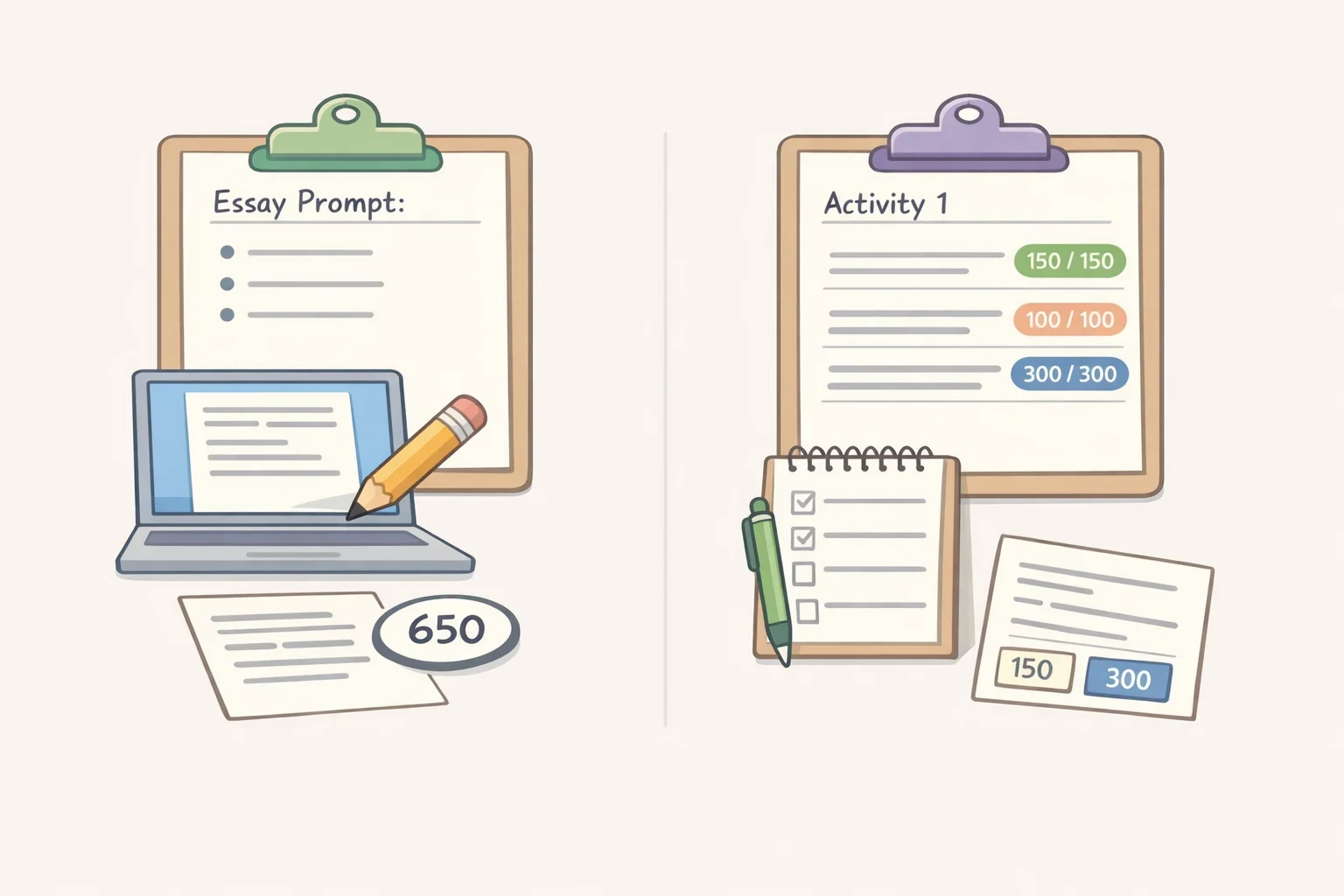
Some parts of the application aren't waiting on anything new. The seven Common App personal essay prompts are unchanged for 2026-27, according to College Choice Counseling and confirmed in a Common App announcement made earlier this year. Students can begin drafting a response to any prompt this week without waiting for updated guidance.
The section formerly labeled "Activities" has been renamed the Common App Activities and Experiences section for this cycle, College Choice Counseling reports. That source confirms the name change but doesn't document new fields or categories, so it's worth checking inside the actual application for structural differences before assuming it's simply a relabeling.
The section still allows 100 characters to describe an organization and 150 characters to describe personal involvement, according to College Choice Counseling. Within that space, naming a specific role and result tends to fit better than a general summary, though that's a writing strategy rather than a stated platform rule.
One approach for this week is listing activities and experiences going back to ninth grade, then deciding which ones show the strongest role or impact before trimming the chosen entries down to the character limits. Not every activity from four years of high school needs to make the final list; the application has limited slots, so quality matters more than covering everything.
Recommendations and advisors: confirm before you ask
Students can invite only one person as their counselor through Common App, but must individually invite and assign teachers to each specific college on their list, meaning one teacher may need to be attached to some schools and not others, according to Common App. Not every college requires a teacher letter, and not every college accepts recommendations from other recommenders such as coaches, employers, or college access advisors, the same source notes.
Checking each college's policy in the tracker before requesting anything can help students avoid asking a teacher or counselor for a letter that isn't actually required. Teachers and counselors often write dozens of letters each fall, according to College Choice Counseling, which is one reason to confirm the requirement early and ask promptly once it's clear.
An advisor is different from a recommender. Common App allows students to invite up to three advisors, such as family members, mentors, or college access advisers, to review an in-progress application and track its completion. Advisors don't submit any forms, and colleges never receive information about who they are, according to Common App, which makes the advisor role useful for students without a private counselor to loop in a parent or mentor without that person becoming part of the official file.
What to do by Sunday
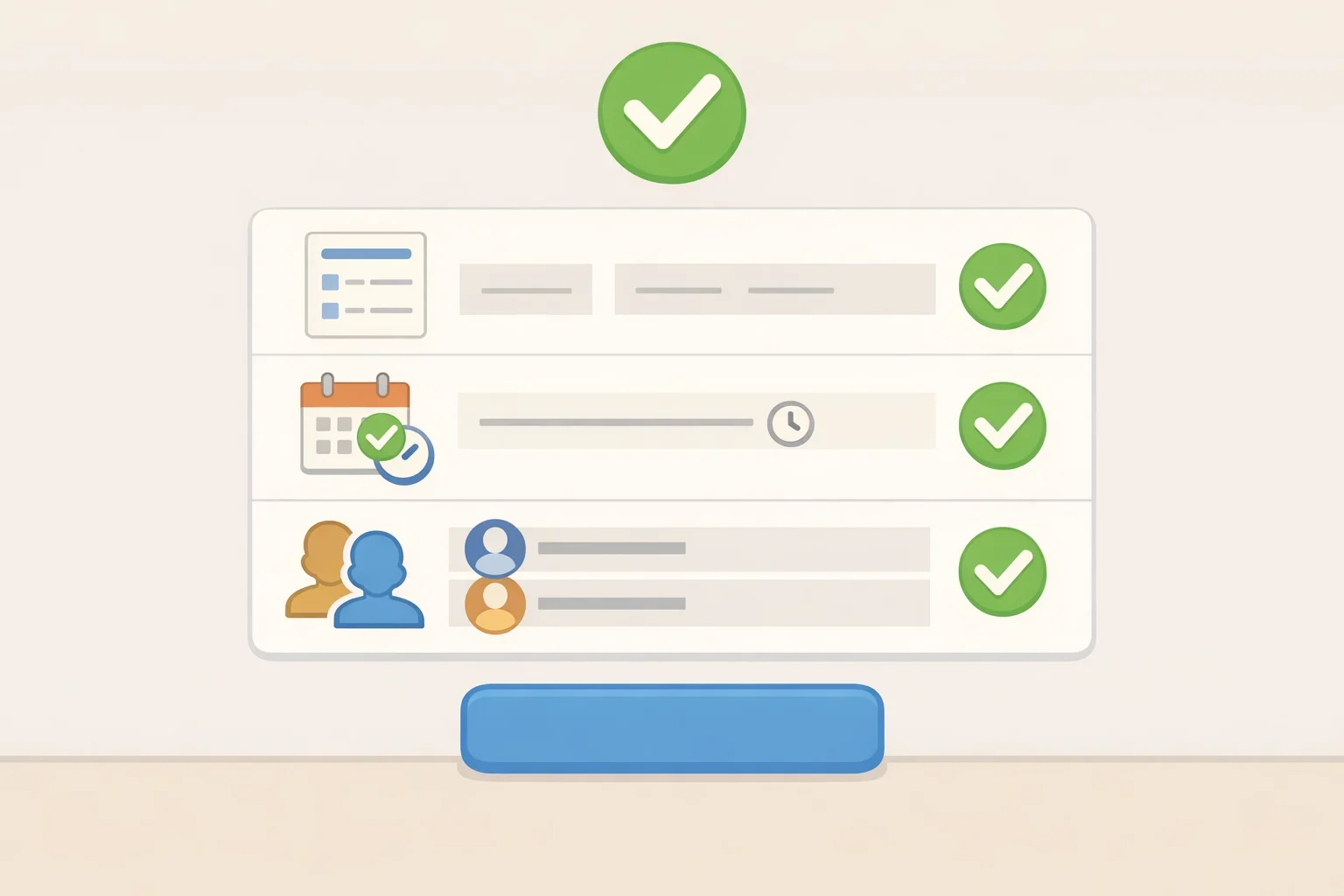
Before the first week ends, confirm three things directly inside the live application rather than assuming anything carried over automatically:
- Which fields are blank after rollover, and whether supplements, fee-waiver responses, and recommender invitations have been rebuilt for each college that needs them.
- Whether the tracker lists a confirmed deadline, supplement requirement, and recommendation policy for every college, checked against that college's own admissions page.
- Whether a chosen recommender has actually been invited and assigned to every college on the list that requires that specific evaluation.
Common App offers 24/7 support, video tutorials, and toolkit resources in English and Spanish for students working through any section of the application on their own.