

1890 land-grant university scholarships: what to compare
USDA announced in October 2024 that it would invest $19.2 million in 1890 land-grant university scholarships, spread across all 19 of the country's designated 1890 institutions (USDA). That commitment pushed cumulative support under the program to $92 million and 3,274 scholarships since Congress authorized it in the 2018 Farm Bill (USDA).
That's a national total, and it doesn't tell an individual applicant what any single campus will actually offer. This guide is for prospective undergraduates weighing one of the 19 designated 1890 institutions, especially those considering majors in agriculture, food science, natural resources, or related fields covered by USDA's 1890 Scholarships Program.
That growth in federal scholarship commitments sits next to a separate and older problem: state governments underfunding these same institutions for decades. In 2023, USDA and the Department of Education found an aggregate gap exceeding $12 billion between 1890 HBCU land-grants and their non-HBCU land-grant counterparts across 16 states, based on state appropriations data from 1987 through 2020 (USDA). Those are two different funding stories, and a national scholarship total doesn't cancel out a state funding gap. What follows breaks down what each USDA funding stream actually covers and what to verify before choosing a campus.
The two decisions to make before you apply

Two questions matter more than any national total: does your intended major qualify for USDA or 1890-specific scholarship support, and how does the actual aid package, plus the research or internship opportunities tied to it, differ among the campuses on your list? Comparing USDA scholarships for HBCU students means comparing programs and award letters, not press releases.
A federal announcement describing $19.2 million spread across 19 schools can't answer either question by itself. Getting real answers means going campus by campus, which is what the rest of this guide walks through.
How 1890 land-grant university scholarships differ from other USDA aid

USDA supports 1890 institutions through several funding channels, and conflating them leads to confusion about what a student can actually expect to receive. Three matter most for applicants comparing scholarships for 1890 land-grant institutions:
- 1890 Scholarships Program. This is the $19.2 million USDA committed in October 2024, distributed across all 19 schools, restricted to undergraduates pursuing baccalaureate degrees in food, agricultural sciences, and related fields (USDA).
- USDA 1890 National Scholars Program. This competitive track covers full tuition, fees, books, and room and board, plus employment and benefits, for up to four years. USDA says these scholars are placed at USDA agencies and offices to build pathways toward careers in agriculture, nutrition, food, and development, and at USDA itself. USDA welcomed 100 new scholars through this track in mid-2023, compared with 3,274 cumulative awards under the broader Scholarships Program since 2018 (USDA).
- Capacity-building grants. USDA committed $30.8 million across 68 projects in May 2024 through the 1890 Institution Teaching, Research and Extension Capacity Building Grants Program. These are institutional grants, not scholarships awarded directly to students; they fund curriculum design, faculty development, student recruitment and retention, and research or Extension program enhancement at the university level (USDA).
USDA's National Institute of Food and Agriculture reported a total investment of $353.3 million in 1890 land-grant universities for fiscal year 2023. That figure covers the department's overall spending across research, extension, and education activities at these schools; it isn't a program-by-program breakdown of how much reached students directly as scholarship aid (USDA).
Why resources still vary by campus
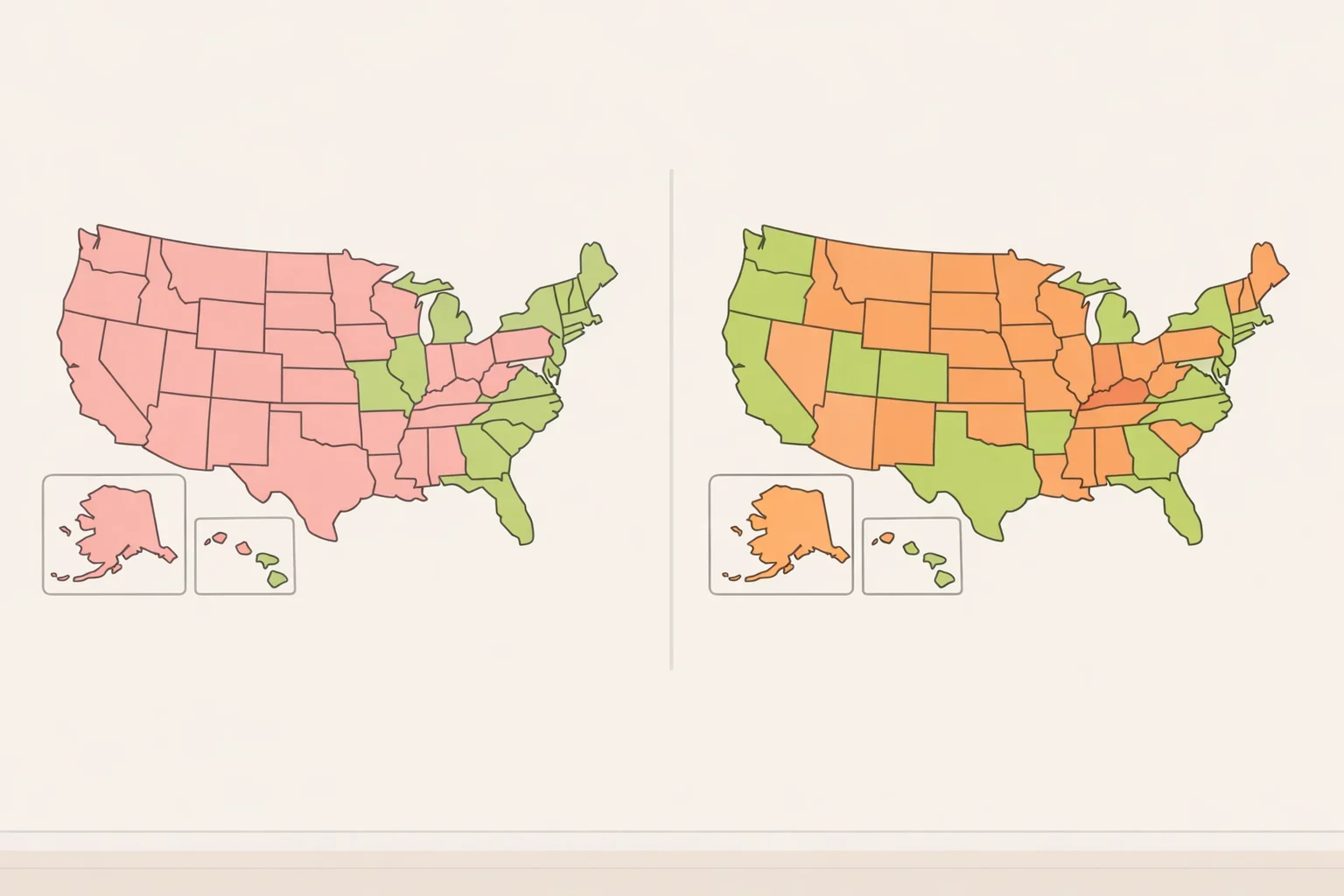
The $12 billion-plus disparity USDA and the Department of Education flagged in September 2023 is a historical estimate covering state appropriations from 1987 through 2020. It describes decades of underfunding, not a current-year budget snapshot (USDA).
As of that 2023 review, only Delaware and Ohio had equitably funded their 1890 institutions under the standard set by the Second Morrill Act of 1890, which required states that established a separate Black land-grant institution to fund it on par with their 1862 counterpart (USDA).
There's a research-funding angle worth knowing too. An analysis from Duke's World Food Policy Center found that 1890 institutions receive less competitive NIFA research funding on average than 1862 land-grant peers, though that gap narrowed between 2010 and 2019 (World Food Policy Center). That finding describes averages across the system over time; it doesn't say how many paid undergraduate research spots exist at any one school today.
That history is one reason applicants should compare current research facilities and lab access directly, campus by campus, rather than assuming the land-grant designation guarantees identical resources everywhere. The next section turns that into questions you can actually ask.
What applicants should verify at each campus
Once you have a short list of 1890 institutions, work through these questions with the offices that can actually answer them. Copy the table below for each school so the answers line up side by side.
What to check Question to ask Who to ask Major eligibility Does your intended major qualify for 1890 Scholarships or National Scholars funding this cycle? Academic or agriculture department Award amount What is the dollar amount, and does it cover tuition only, or tuition plus fees, books, and room and board? Financial aid office Renewal conditions Is the award renewable each year, and what GPA, enrollment status, and satisfactory academic progress standard does renewal require? Financial aid office Stacking with other aid Does this award reduce institutional or state aid you'd otherwise receive, or can it be combined with other scholarships? Financial aid office Application deadlines What is this year's window for the 1890 Scholarships Program or the National Scholars Program? Financial aid office or the program's official page Separate application Is a separate scholarship application required beyond general admission and the FAFSA? Financial aid office Net price What does the full package look like once institutional, state, federal, and USDA/1890 funds are combined? Financial aid office Research and internship pathways Does the department have USDA-supported research, Extension, or internship opportunities in this major? Department chair
Two more factors deserve a look, though they carry less weight than the eight above. Recent state funding trends are worth checking through your state's higher-education budget agency or published state budget documents, since that's the level where the appropriations gap USDA identified actually plays out, not the university's own finance office. Program-level retention, graduation, and career-placement data can also help distinguish two campuses that look similar on paper.
Eligibility rules, award cycles, and deadlines can change from one admissions cycle to the next, so confirm this year's terms directly with each school rather than relying on last year's numbers or a national announcement.
What to do next

Copy the worksheet above for every 1890 institution on your list, then call each financial aid office to fill in the award amount, renewal conditions, and net price columns yourself. A comparison only works when it uses this year's numbers for every school, not last year's or a national figure.
Next, contact the academic department for your intended major to confirm eligibility for 1890 Scholarships or National Scholars funding and to ask what USDA-supported research or internship opportunities exist there. If a state's funding history matters to your decision, check that state's higher-education budget agency directly, since the appropriations gap USDA identified is a state-level issue that a university's own financial aid packaging can't fix on its own.