
- What is a microschool? A parent's guide to how they work
- What is a microschool? How the learning model works day to day
- Potential benefits of microschools, and the tradeoffs to check
- Microschool vs. homeschooling: who's responsible for what
- Who chooses microschools, and what families needing extra support should check
- A checklist: what to verify before enrolling
- What to do next
What is a microschool? A parent's guide to how they work
What is a microschool? In plain terms, it's a small learning setting that blends pieces of traditional schooling, homeschooling, and one-on-one instruction (CEAM's Guide to School Choice in Missouri, three weeks ago). Class sizes swing widely, from just a handful of kids to more than 100, depending on how the individual program is built (GreatSchools, last year).
Here's the practical shift for a parent: a microschool may cut down on the daily teaching done at home, though some programs still expect a good amount of home instruction on days when a child isn't on-site. Either way, enrolling a child doesn't erase a parent's legal, financial, or oversight responsibilities. Which of those stay with the parent depends on how a specific program is classified under state law, and that's something to confirm before enrolling, not after.
The legal details are where the model gets complicated. There's no federal definition of a microschool, so states are largely left to sort out the rules on their own (Stateline, last year). Two programs using the same name can differ completely in staffing, curriculum, and oversight, and researchers say it's currently very difficult to independently verify how well any individual program is working academically (RAND, last year). Checking a program's specifics is the real work of choosing one, not an optional extra step.
The sector has grown quickly enough that this checking matters more than ever. GreatSchools, citing RAND research, put full-time microschool enrollment somewhere between one and two million students in 2025, with additional students studying part-time under homeschool curricula (GreatSchools, citing RAND, last year). The 74 reported that the National Microschooling Center counts nearly 100,000 microschools nationwide, with roughly 40% of the small schools in that count enrolling students through state-funded school-choice programs (The 74, citing National Microschooling Center, last year).
This guide walks through how microschools commonly operate, how the model differs from homeschooling in day-to-day responsibility, who tends to be drawn to it, and a checklist of what to confirm before enrolling a child.
What is a microschool? How the learning model works day to day
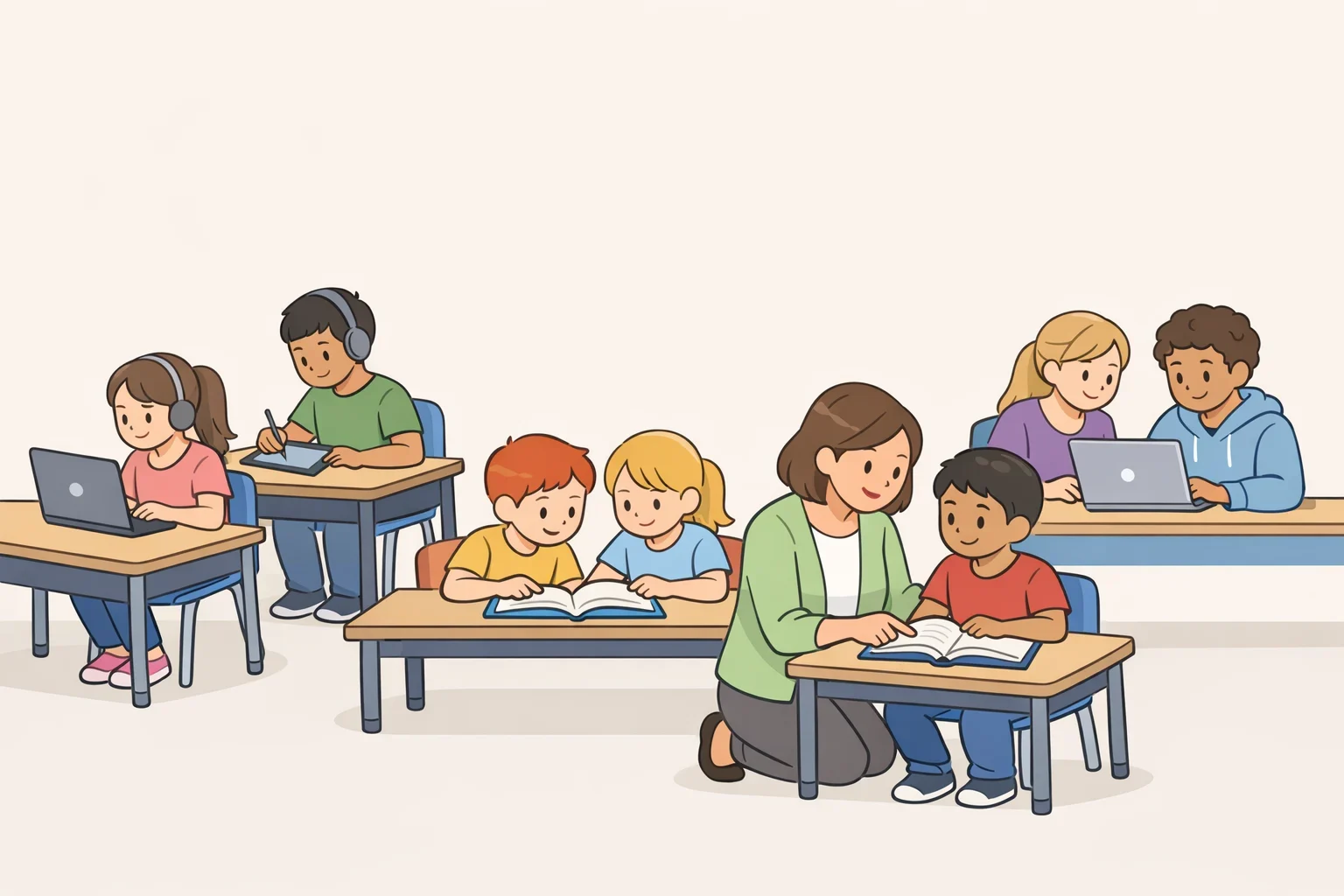
Common features include smaller classes, personalized instruction, adjustable schedules, and tighter bonds between students and teachers. Some meet in person full time, while others split the week between classroom days and at-home learning (CEAM, three weeks ago).
Students often learn in mixed-age groups at their own pace, with instruction blending tech-based tools and small-group or one-on-one teaching (GreatSchools, last year). Group size varies a lot. Stateline found many microschools serve 16 students or fewer, a separate research sample put the median size at 22 students, and some larger programs enroll close to 100 (Stateline, last year; The 74, last year).
On in-person days, expect that mixed-age, self-paced setup to be the norm rather than a fixed curriculum taught to a whole grade at once (GreatSchools, last year). On at-home days, a parent's role can range from light supervision to teaching material directly, depending on how the program builds its calendar (CEAM, three weeks ago). Since that in-person/at-home split isn't standardized across the sector, ask a program exactly how many at-home days to expect in a typical week and what parents are expected to do during them.
No single microschool learning model applies across the board. The flexibility to adapt schedule, pace, and teaching approach to a particular community is itself the defining feature, not a shared curriculum or philosophy (GreatSchools, last year).
Potential benefits of microschools, and the tradeoffs to check
Families cite specific, concrete reasons for choosing a microschool: a smaller learning environment, more personalized instruction, alternative teaching approaches, and more flexibility than a traditional school setting offers (CEAM, three weeks ago). GreatSchools notes that having no single instructional philosophy is itself part of the draw, since it lets a program shape itself around a specific community rather than follow one fixed model (GreatSchools, last year).
Those benefits come with a tradeoff worth checking directly. Many microschools operate outside the reporting and accountability rules that apply to public schools, which gives them room to experiment with pacing, materials, and evaluation methods, but that same freedom means quality and oversight can differ sharply from one program to the next (GreatSchools, last year). Independent evidence about academic outcomes across the sector remains thin, a point covered in more depth in the checklist below.
Microschool vs. homeschooling: who's responsible for what
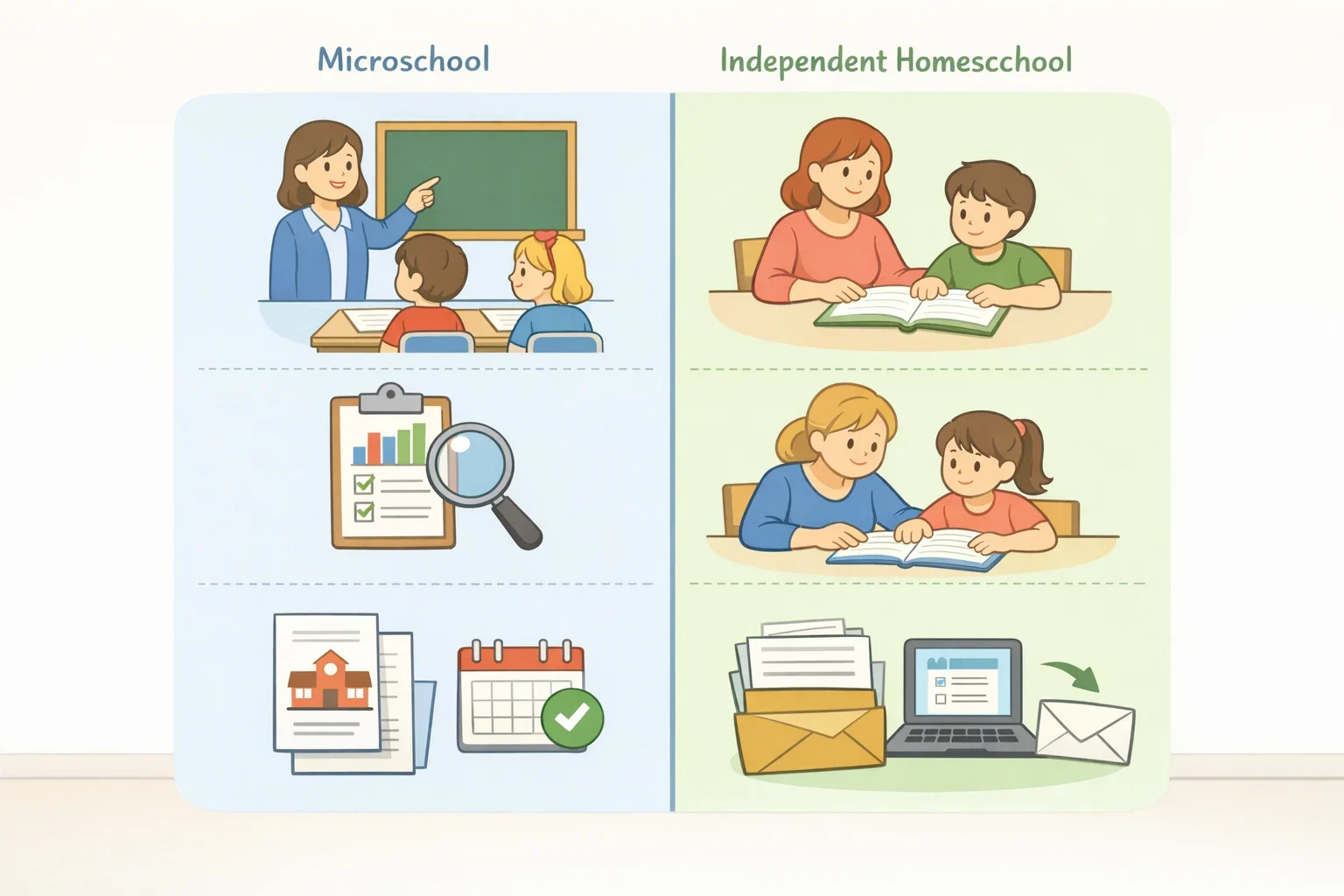
Most people picture homeschooling as one parent teaching at a kitchen table. Microschools blur that picture, and the legal lines shift depending on how a given program is structured.
In one sector analysis, 55% of microschools operated under homeschool statutes, compared with 37% classified as private schools, 6% as charters, and 3% falling into unique state categories (Stateline, last year). A program calling itself a "homeschool co-op" and one calling itself a "private micro-academy" can face very different filing requirements even if their classrooms look almost identical.
The physical setup also sets microschools apart from independent homeschooling. They typically meet in a shared space involving multiple families, most often in commercial buildings (41%), private residences (28%), or houses of worship (25%) (Stateline, citing National Microschooling Center, last year). Whether that space is staffed by a hired instructor or run cooperatively by parents isn't something location data settles either way. It belongs on the list of questions to ask directly.
Here's a side-by-side look at how responsibilities tend to split, with the microschool column framed as a range of possibilities rather than a fixed rule:
Responsibility Independent homeschooling Microschool (varies by program) Who teaches Parent May be a hired instructor, a co-op parent, or mixed staff Who chooses curriculum Parent May be selected by program leadership, sometimes with parent input Where learning happens Home Shared space: commercial building, home, or house of worship Who tracks progress Parent May be the program, using its own reporting method Who handles required filings Usually the parent, though rules vary by state Parent, program, or neither, depending on state law
A small class size doesn't automatically mean individualized instruction is happening in practice. Ask to see a sample weekly schedule, actual curriculum materials, and an example of how the program reports progress, rather than taking those details on faith.
Adding multiple families and paid staff into the mix can also trigger requirements that a single family homeschooling alone wouldn't face. In Illinois, Maine, Massachusetts, and Oregon, that combination can bring in child-care or private-school licensing rules (Stateline, last year). A program's marketing label, whether it calls itself a "school," an "academy," or a "learning pod," doesn't by itself determine which rules apply; its legal classification and operating structure, including staffing, funding, and location, do. So ask who plans lessons, who tracks attendance and records, and who is legally responsible for meeting the state's homeschool or private-school filing requirements before assuming a program under a state's homeschool framework "runs like school."
Who chooses microschools, and what families needing extra support should check
Many families turn to microschools simply because they're unhappy with the school options available to them locally, not because of a shared teaching method. The flexibility itself is usually the draw (RAND, last year).
That flexibility shows up in who ends up enrolled. In the National Microschooling Center's survey, nearly three-quarters of microschools reported serving neurodiverse students, and more than half enrolled students who had been performing well below grade-level benchmarks (GreatSchools, citing NMC, last year). That figure shows many microschools report serving these students; it doesn't show how many families choose microschools specifically for that reason.
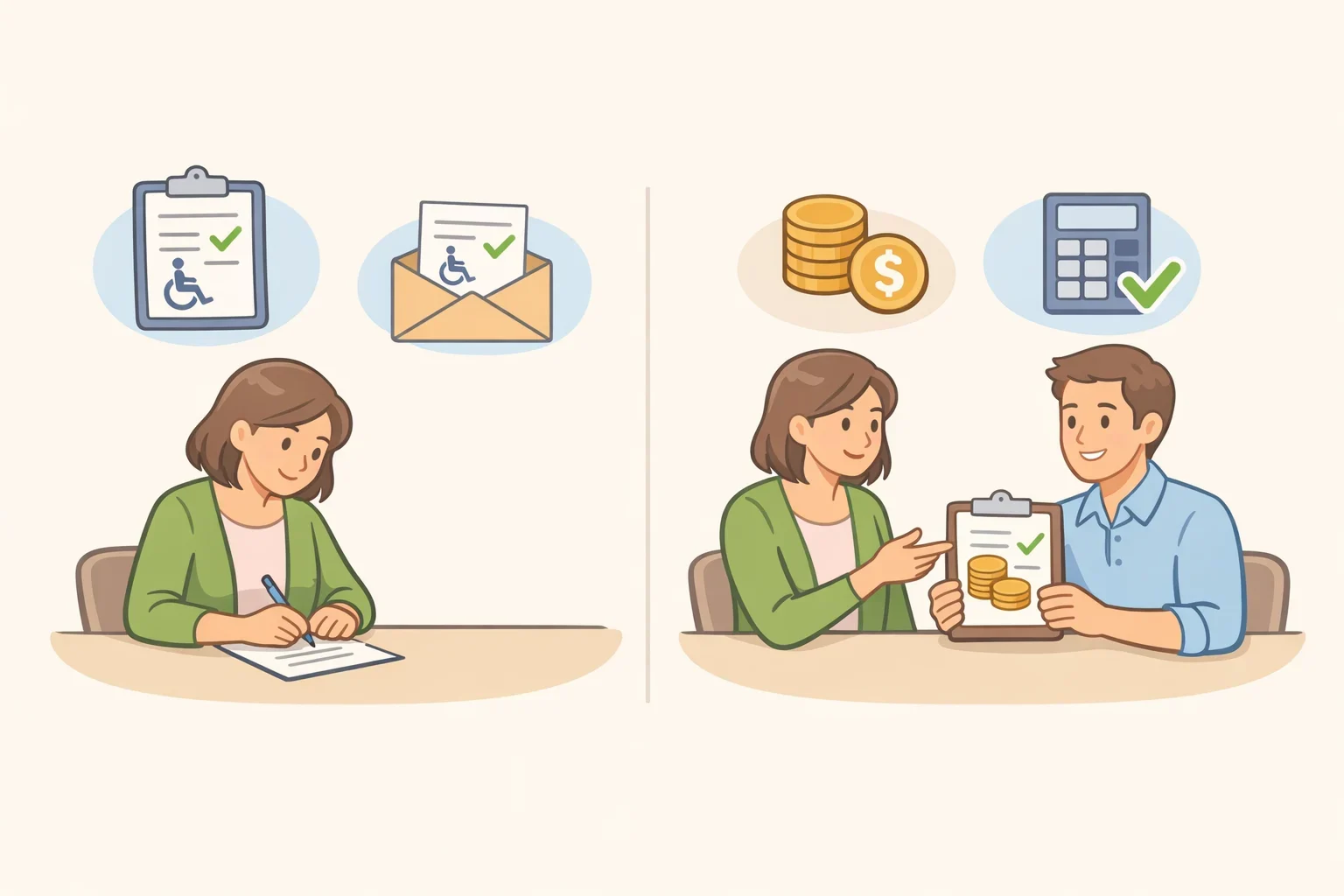
Enrolling neurodiverse students doesn't mean a program is licensed or legally required to provide special-education services. Accountability in the sector "can vary wildly," and some microschools operate without certified teachers, annual assessments, or guaranteed civil rights protections (Stateline, last year). For a child who may need learning, disability, behavioral, or language-related support, ask the program directly what services are offered, who provides them, and what they cost.
For a child with an IEP, a 504 plan, or a suspected disability, also ask for the program's designated special-education or accessibility contact, and get the answer in writing. Individual rights and service responsibilities can depend on a child's enrollment status and on both state and federal law, so don't rely on assumption. The state education agency can confirm which rules apply to a program's specific classification, and a local school district may be one resource among others, though the office with final authority on a given question varies by state.
Cost is part of this picture too. In the National Microschooling Center's 2025 sector analysis, 74% of surveyed microschools charged $10,000 or less in annual tuition, and 65% offered sliding-scale pricing or discounts (National Microschooling Center, last year). Even so, the sector still leans toward households earning at or above the typical income for their area (Stateline, last year), so a lower price tag doesn't automatically mean the option is within reach for every family that might want it.
A checklist: what to verify before enrolling
Bring this list to a tour or interview, and don't rely on a program's brochure or website to answer it. Ask directly, then confirm the legal pieces with the state.
- Legal status and oversight. Ask whether the program is classified as a private school, homeschool umbrella, charter, or a state-specific category, then confirm with the state education agency what that classification actually requires. Georgia, Tennessee, and Texas have passed "Learning Rights Protection Acts" affirming microschools' right to operate with limited interference, while Illinois, Maine, Massachusetts, and Oregon may apply child-care or private-school licensing rules depending on how the program is structured (Stateline, last year).
- Curriculum, schedule, and parent role. Ask how many days per week are in-person versus at home, what curriculum is used, and what parents are expected to supervise or provide (CEAM, three weeks ago).
- Staffing and ratios. Ask about founder and instructor credentials rather than assuming them. A survey of 400 microschools across 41 states found more than 60% of founders were not licensed educators, and group sizes commonly run 16 students or fewer (Stateline, last year).
- Progress measurement and reporting. Ask specifically how the school tracks and shares progress. In the National Microschooling Center's 2025 sector analysis, 29% reported using letter grades, while observation-based reporting, portfolios, and mastery tracking were more common; separate reporting found roughly a third of program leaders use standardized assessments at all (National Microschooling Center, last year; The 74, last year).
- Accreditation, and its limits. Accreditation, licensure, legal compliance, and educational quality are related but not interchangeable. Eighty-four percent of surveyed microschools reported being unaccredited (Stateline, last year). The microschool network KaiPod partnered with accrediting agency Cognia last year to build accreditation standards specific to the sector, but that partnership doesn't create a universal accreditation requirement, and adoption remains voluntary (The 74, last year).
- Support services. For a student who may need learning, disability, behavioral, or language-related services, ask exactly what's offered, who provides it, and what it costs beyond tuition. Confirm with the program which legal protections apply given its classification, and check the same question with the state education agency rather than taking the program's word alone.
- Costs and logistics. Confirm total tuition, available discounts, refund policies, transportation, and any additional supervision time expected of parents (National Microschooling Center, last year).
- Outcome claims. When a program reports strong academic growth, ask whether that figure is self-reported and limited to students the school actually tracks. Among microschools in the National Microschooling Center's survey that track academic growth, 81% reported one to two years of gains in a single year, but that applies only to schools that choose to measure and share the data (National Microschooling Center, last year). Independent attempts to verify growth ran into the same limitation: researchers working from a list of 271 microschools could locate usable fall-and-spring test scores for only 10, and that small sample showed negligible differences from other students (The 74, last year).
What to do next
Turn the checklist above into a short written list of questions before an enrollment visit, and ask for documentation instead of a verbal answer wherever possible: the program's written legal classification, a tuition and withdrawal agreement, a sample weekly schedule, staff credentials, its assessment or progress-reporting plan, and its support-services policy if the child may need one.
Then take one step separate from the tour itself: contact the state education agency to confirm what testing, reporting, or licensing requirements actually apply to that specific classification. That call is the most reliable way to check whether a particular microschool matches the general patterns described here, rather than assuming they carry over automatically.