
Rice University free tuition 2026-27: who qualifies now
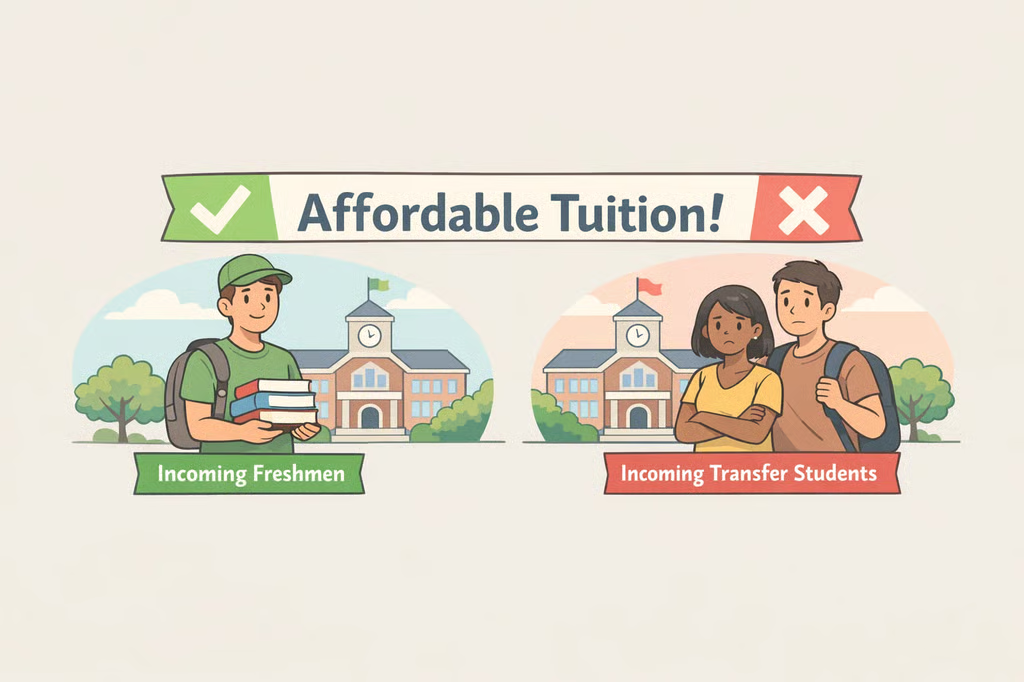
Rice University announced a major expansion of its signature financial aid program this week, promising free tuition to families earning up to $200,000 a year, according to Rice News. That expansion starts with students entering in fall 2027, not students enrolling this fall.
Rice University free tuition for 2026-27 still runs on the income tiers the university published in February, months before the bigger announcement. Anyone finalizing enrollment for fall 2026 needs to know which set of rules actually applies, because the two policies cover different entering classes.
Rice set 2026-27 tuition at $71,140 for first- through third-year students in February and confirmed the current Rice Investment tiers at the same time, according to Rice News. About five months later, the university unveiled the $200,000 expansion, but said it would take effect "beginning with students entering in fall 2027," according to Rice News. The two announcements describe different enrollment cohorts, and the details are easy to blur together.
Family income Confirmed for 2026-27 Confirmed for fall 2027 entrants Less than $75,000 Tuition, mandatory fees, room and board covered Not addressed separately $75,000 to $100,000 Free tuition only Tuition, mandatory fees, room and board covered $100,000 to $140,000 Free tuition only Free tuition $140,000 to $200,000 At least half of tuition covered Free tuition Above $200,000 No universal guarantee; aid based on demonstrated need No universal guarantee; aid based on demonstrated need
Figures compiled from Rice's February tuition announcement and August expansion announcement. Rice hasn't clarified how income sitting exactly on a threshold, $75,000, $100,000, $140,000 or $200,000, gets treated, so families near a cutoff should confirm directly with the university. Neither release says whether students who enroll before fall 2027 will move into the expanded tiers once those tiers take effect. Treat that as unresolved.
Who qualifies for free tuition at Rice University for 2026-27
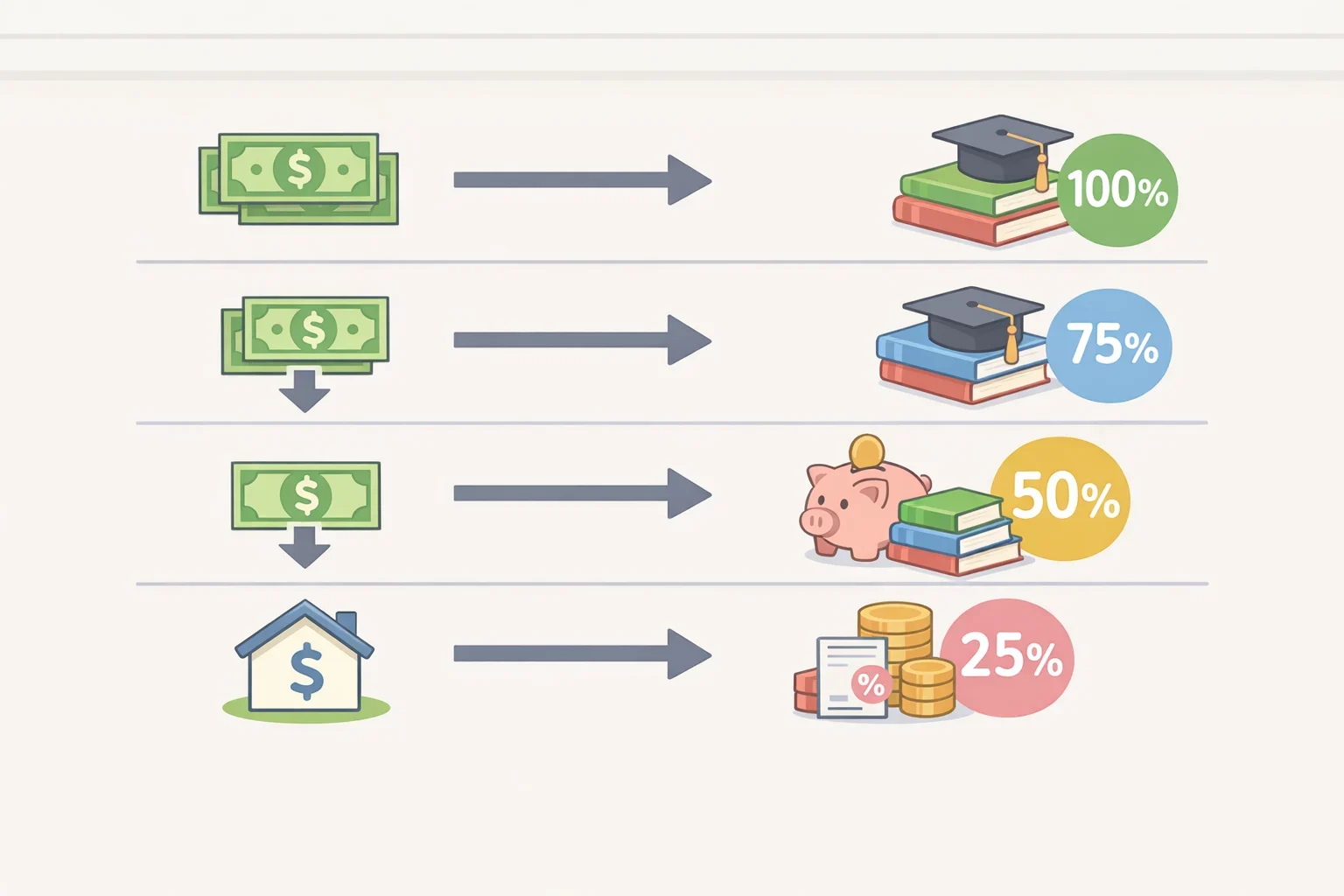
For students enrolling in fall 2026, the confirmed structure is the one Rice published in February. Families earning less than $75,000 have tuition, mandatory fees, room and board covered. Families earning between $75,000 and $140,000 get free tuition, but not the rest of the bill. Families earning between $140,000 and $200,000 get at least half of tuition covered, according to Rice News.
Families above $200,000 aren't automatically shut out. Rice says it meets 100% of demonstrated financial need for all admitted students without requiring loans, and many families above that threshold still receive aid, since grant levels assume typical assets for a given income range, Rice News reported. Rice is among roughly 30 schools nationwide that meet full demonstrated need without loans, per the same release.
For scale, the average first-year aid offer for fall 2025 recipients was $71,698, and 54% of undergraduates received financial aid that year, according to Rice News. That figure shows how large a typical award tends to run among recipients. It doesn't say who ends up qualifying, since award size depends on each family's calculated need. The newly announced $200,000 free-tuition threshold does not apply to anyone entering in fall 2026.
What changes for students entering fall 2027
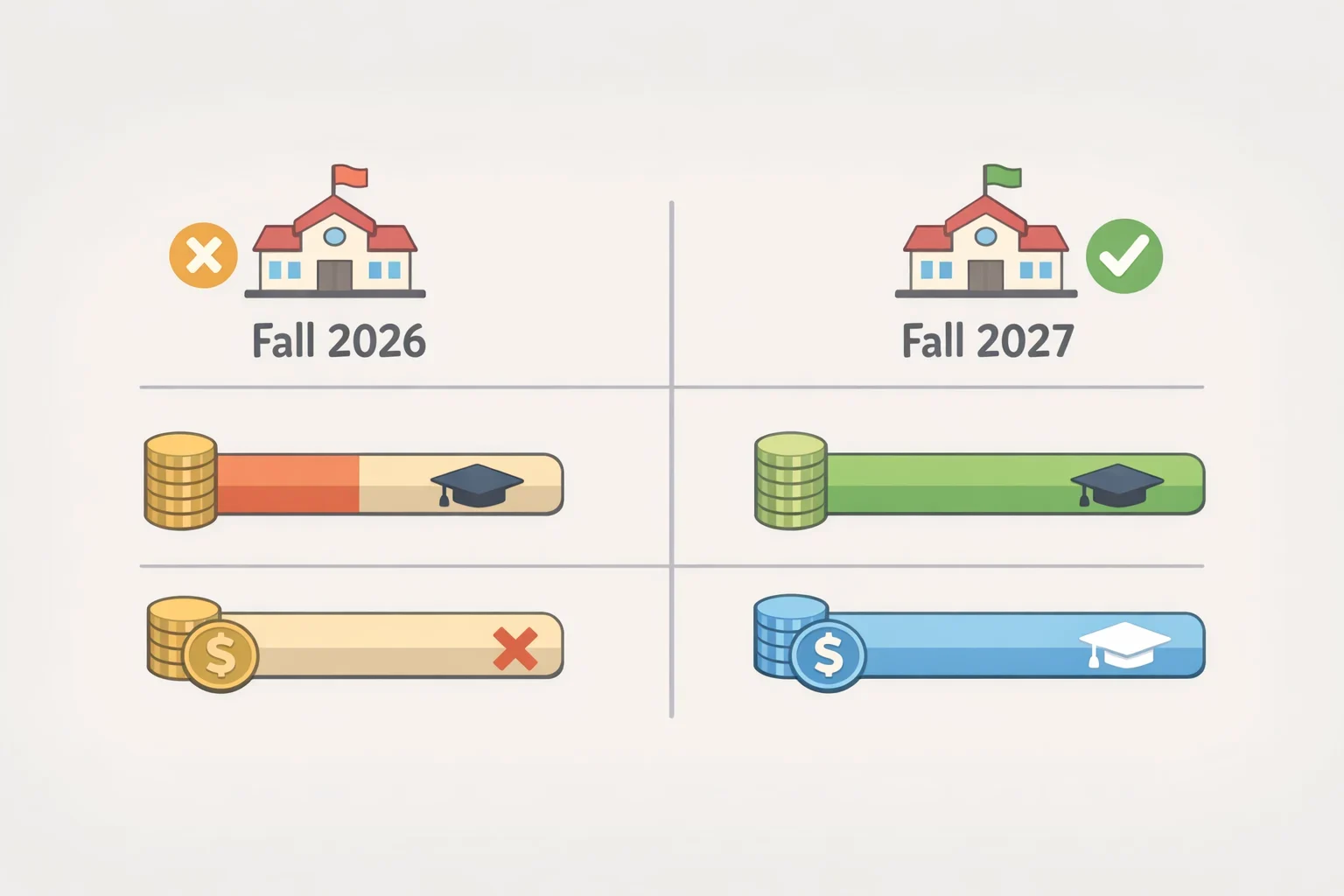
Starting with students who enter in fall 2027, families earning between $100,000 and $200,000 will receive free tuition, and families earning less than $100,000 will have tuition, mandatory fees, and room and board fully covered, according to Rice News. Rice said it will keep meeting 100% of demonstrated financial need for all families without requiring student loans.
"This is a defining moment for Rice University and for the future of higher education," Rice President Reginald DesRoches said, according to Rice News. Rice frames the change as an expansion of the Rice Investment, the aid program it launched in 2019.
Two income bands see the biggest shift. Families earning $140,000 to $200,000 move from a "half of tuition" guarantee to full-tuition coverage. Families earning $75,000 to $100,000 move from tuition-only coverage to coverage of tuition, mandatory fees, room and board combined, comparing the August announcement against the tiers Rice published in February.
Take a family earning $150,000 that enrolls under the fall 2027 policy. Tuition would be fully covered. Using 2026-27 published rates only as a stand-in for scale, room and board runs $20,530 and mandatory fees run $984, for $21,514 in listed costs the tuition guarantee alone doesn't touch, according to figures in Rice News. That doesn't mean the family pays that full amount out of pocket; separate need-based aid could reduce it.
Since launching in 2019, the Rice Investment has provided more than $1 billion in financial aid, a 75% increase over the seven years before the program started, Rice News reported. The August announcement doesn't say whether students who enrolled before fall 2027 will be shifted into the new tiers once those tiers take effect, so families shouldn't assume automatic carryover into the better terms without checking first.
What free tuition doesn't cover

Free tuition isn't the same as free attendance. Under the fall 2027 structure, only families earning less than $100,000 get room and board covered alongside tuition. Families earning $100,000 to $200,000 get tuition covered only, which leaves room, board, mandatory fees and personal expenses to plan for unless separate need-based aid applies, per Rice News.
A published income tier also isn't a guaranteed dollar amount. Rice says its grant levels assume a family holds typical assets for its income range, according to Rice News. Two families sitting in the same income band could end up with different award amounts because of that assumption.
Neither release specifies whether the expanded thresholds apply to transfer students or international applicants. The February release describes the Rice Investment as the university's flagship program for domestic students, per Rice News. Graduate and professional aid at Rice runs on separate rules, so those students shouldn't apply this undergraduate chart to their own programs.
How to confirm which tier applies to a specific student

A published income threshold only tells part of the story. Rice's Office of Financial Aid, not a news release, is the office that can confirm an individual family's actual tier, award amount and entry-term rules.
Before assuming a threshold applies, families can ask:
- Which entry term, fall 2026 or fall 2027, determines the applicable tier structure
- Which income measure and tax year Rice uses to place a family in a tier
- How assets such as home equity or business ownership factor into a calculated award
- Whether students admitted before fall 2027 could move into the expanded tiers in a later year, since the August announcement leaves that question open
When contacting Rice's Office of Financial Aid, give the student's intended entry term and ask the office to confirm the applicable income thresholds, coverage categories, and whether any later policy update affects that cohort. Ask for the answer in writing where possible, so the details are on record before an enrollment deposit is due.