
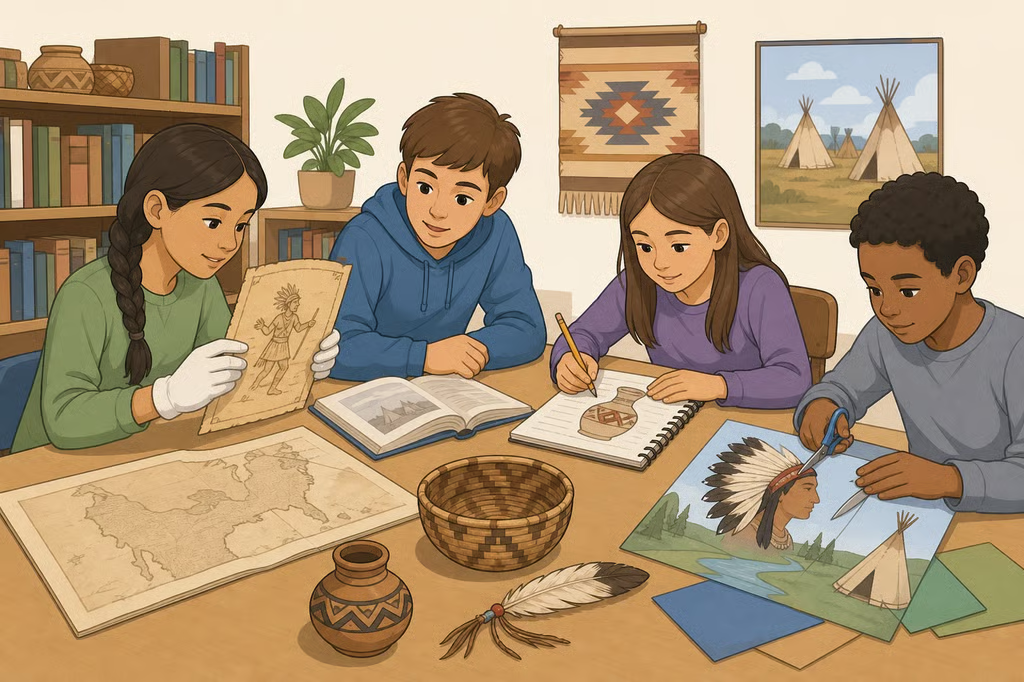
- 4 Native American Heritage Month Activities for Students
- How these activities work
- Thanksgiving lessons about the Wampanoag people, from PBS News Hour Classroom
- Treaty records and photographs trace Crow territorial change
- Historic and contemporary Native-made art, side by side
- A living language-revitalization project, from wax cylinder to classroom
- Common mistakes to avoid
- What to do next
4 Native American Heritage Month Activities for Students
Native American Heritage Month activities for students don't have to start with a worksheet or one retelling of the first Thanksgiving. PBS News Hour Classroom and the Library of Congress both publish material built around a specific tribal nation, a primary-source document, or a present-day community effort, and four of those resources can anchor a full research unit for middle and high school classrooms.
The federal teacher-resource page for the 2025 observance introduces the cultures and histories of some groups within the more than 5 million people who identify as American Indian in the U.S., with material meant for humanities classrooms throughout the school year, according to NativeAmericanHeritageMonth.gov. That page is labeled for last year's observance, so check it directly for updated links before this November.
This guide walks through four Native American history activities for middle and high school students, drawn from PBS News Hour Classroom's Thanksgiving lesson and three Library of Congress projects covering archives, art, and language revitalization. Each one works as a framework that teachers, tutors, and homeschool educators can adapt, not a fixed script.
How these activities work
Every project below follows the same shape: students examine a source tied to one specific nation, note who created it, then produce something concrete, a short written response, a comparison chart, or a profile, instead of an open-ended opinion.
Treaty text and archival documents generally suit grades 9-12 with scaffolding. Upper elementary and middle school students can use the same guiding questions with shorter, teacher-curated excerpts. Before assigning anything below, confirm whether a school or district already has a local tribal-content requirement or a recommended nation to study.
Thanksgiving lessons about the Wampanoag people, from PBS News Hour Classroom
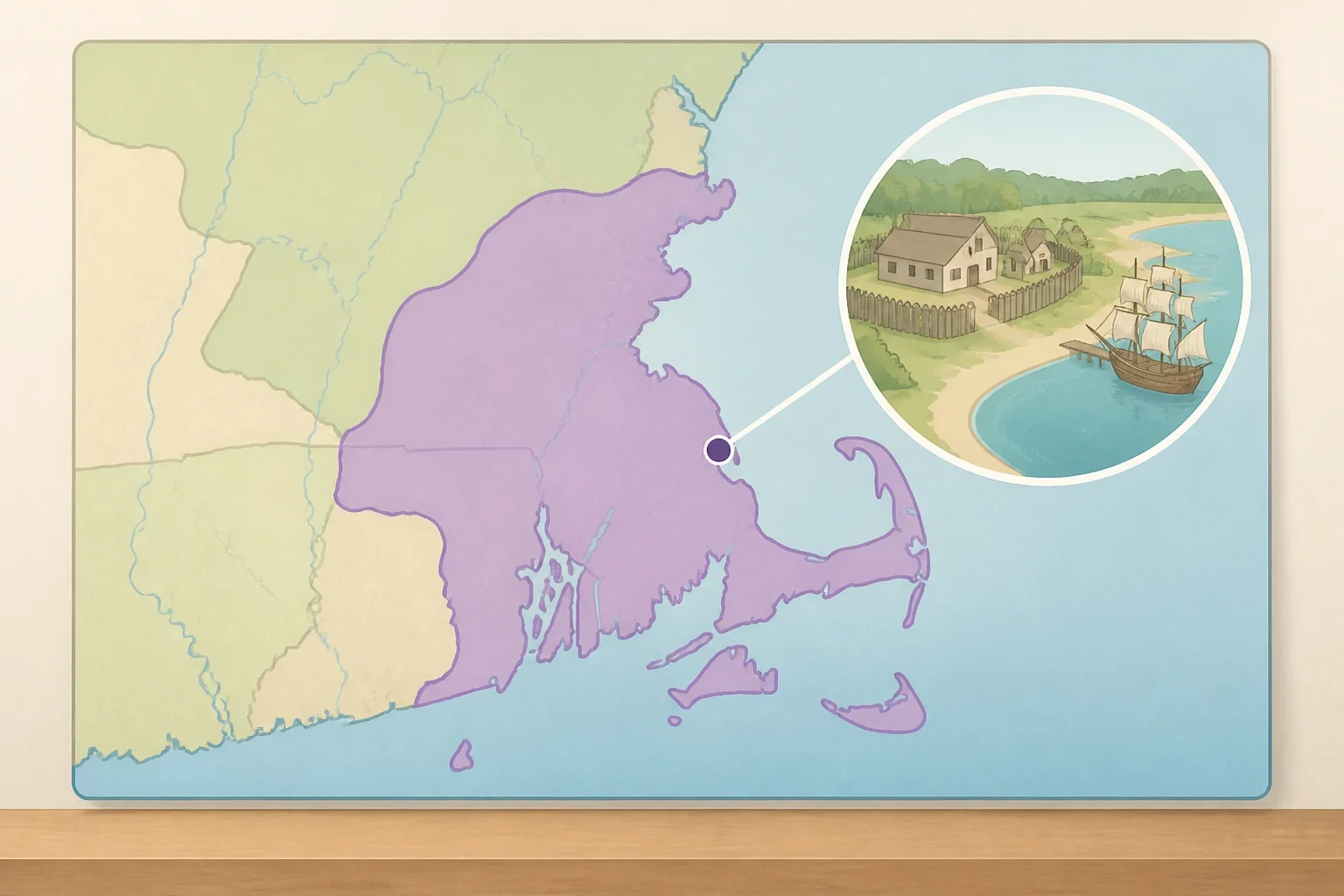
PBS News Hour Classroom published a lesson last November built around the Wampanoag people, the Native people who welcomed the Pilgrims at Plymouth nearly 400 years ago before enduring what the lesson describes as sustained harm from those same colonizers, according to PBS News Hour Classroom. The lesson opens with the Mashpee Wampanoag's own framing: the tribe states it has occupied the same region for more than 12,000 years, per that lesson.
Students choose one of three ongoing issues named directly in the lesson: the fight to protect ancestral homelands, Native language preservation, or the right to develop tribal gaming, according to PBS News Hour Classroom. Mashpee Wampanoag leader Jessie Little Doe Baird is quoted saying the tribe's reservation today represents less than half of one percent of its original territory, per the same lesson.
The assignment works as a source-reading exercise as much as a history lesson. Students read a firsthand account, decide whether the speaker is a tribal leader, a journalist, or a historical record, then weigh that account against the familiar Thanksgiving story.
The lesson also traces a legal dispute over 321 acres of trust land in Massachusetts. A federal judge stripped the tribe's trust status in March 2020, Judge Paul Friedman reversed that ruling a few months later, and the Department of the Interior's appeal remained unresolved as of the lesson's last update, according to PBS News Hour Classroom. Check the case's current status before presenting it as settled; court outcomes can move faster than a lesson page gets refreshed.
The lesson connects that history to the National Day of Mourning, which activists including Tall Oak started in 1970 on Thanksgiving Day to tell the story of the subjugation of the Wampanoag and other Native peoples, per the same lesson.
The assigned product: a one-to-two paragraph written response, discussed with a classmate, family member, or neighbor, the format PBS's own lesson recommends.
Treaty records and photographs trace Crow territorial change
Visual artist Wendy Red Star, an enrolled member of the Apsáalooke (Crow) Nation, wrote about researching her community's history at the Library of Congress, work she says is feeding into a solo exhibition scheduled for the National Portrait Gallery in 2026, according to Library of Congress Magazine. She pointed specifically to the National Archives and Records Administration's holdings of the Fort Laramie treaties of 1851 and 1868, documents that shaped Crow lands and sovereignty, per the same account.
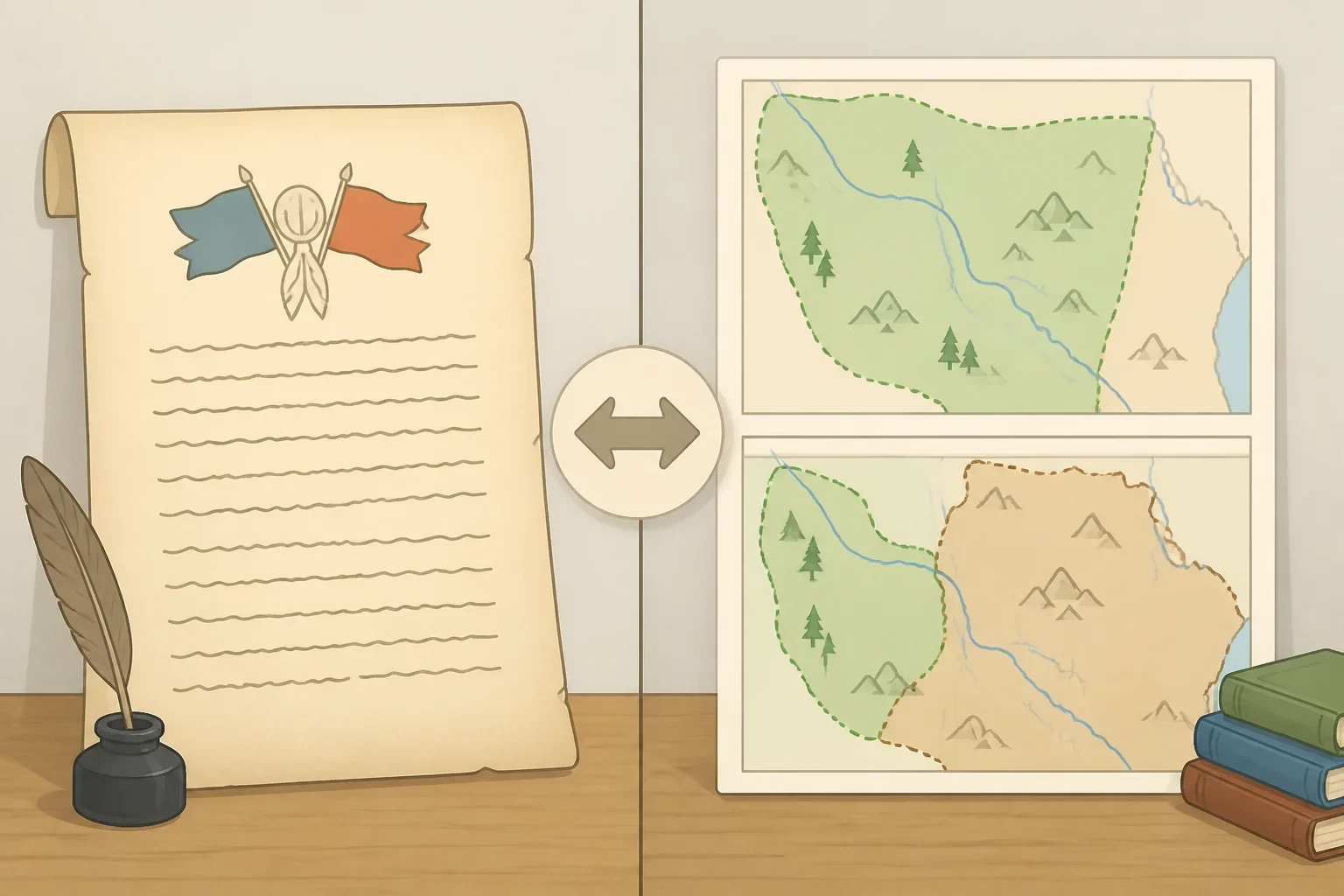
This activity uses that pairing as its framework: a treaty excerpt from NARA's holdings, set next to a related record from the Library of Congress, an early 20th-century photograph, an oral history, or a digitized newspaper article. The Library's Chronicling America collection, for instance, includes coverage of Chief Plenty Coups and Crow contributions to the U.S. military, according to Library of Congress Magazine. Historical maps in the same holdings show how Crow territory changed through land cessions tied to U.S. expansion.
Students compare the treaty's language with later maps or records, then note who created each document and what it leaves out. That last step matters: a treaty states an official position, but a photograph or newspaper article from the same collection can point to something the treaty text never mentions.
The assigned product: a two-column chart comparing treaty terms with later territorial reality, plus a short written observation.
What to check first: reading level. Primary-source treaty language is dense, so a teacher-prepared excerpt or summary works better for students who need one.
Historic and contemporary Native-made art, side by side
The Library of Congress has been actively building a collection of contemporary Indigenous-made art since 2005, when an established Native photographer donated 12 large prints at the Library's request and became the first contemporary Native American photographer the Library actively collected, according to Library of Congress Magazine. Before that donation, the Library's existing archive of roughly 18,000 Native American images, including work by Edward Curtis, had been created almost entirely by non-Native artists, per the same magazine.
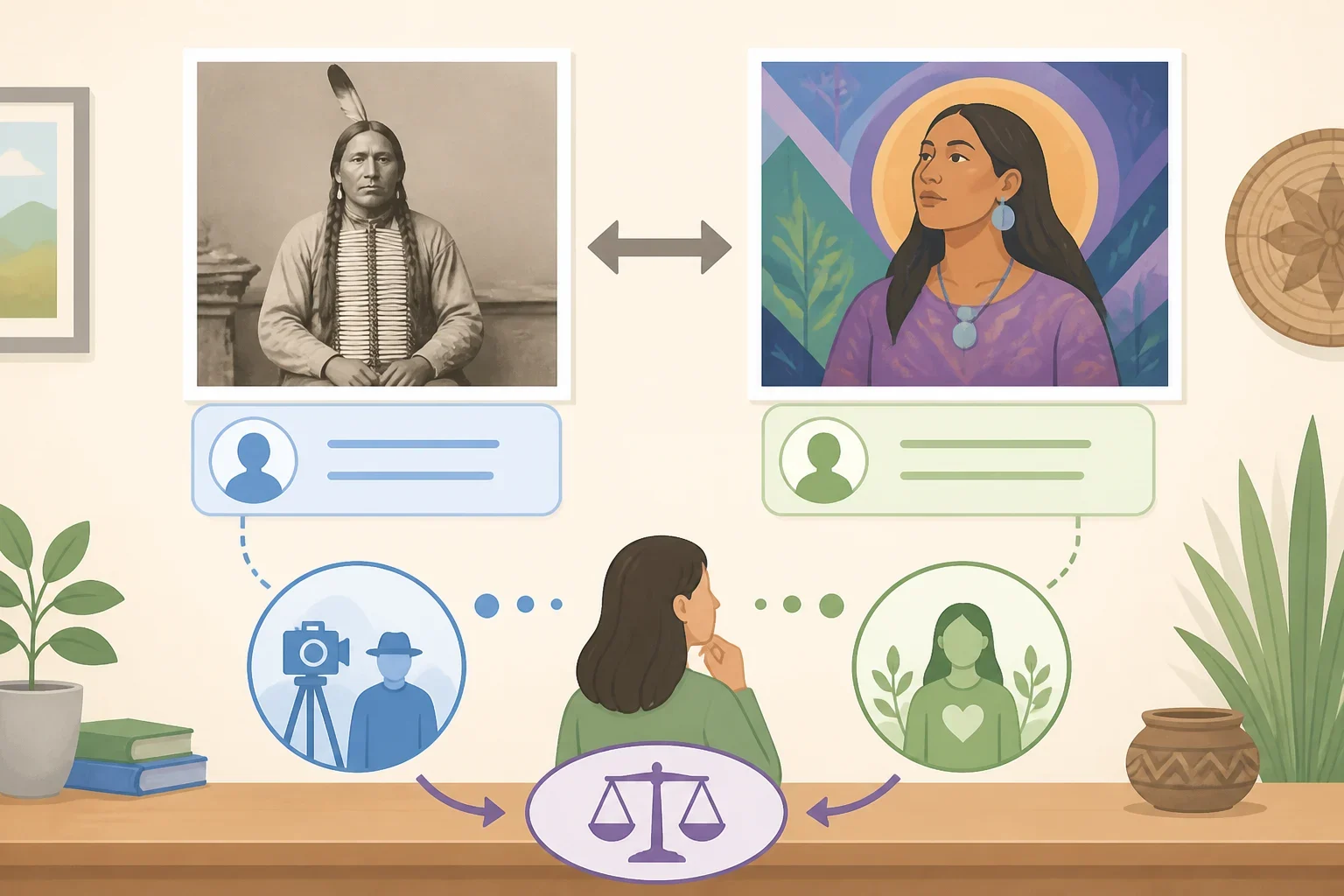
This activity pairs one historic Curtis-era photograph with one contemporary Indigenous-made artwork on a related subject; teachers can search the Library's Prints and Photographs Division catalog for a comparable pair. The collection keeps growing: it now holds more than 200 prints and photographs by more than 50 contemporary Indigenous printmakers and photographers, and more than 100 photographs, including 38 more from photographer Jackson, have entered it over the past five years, according to the same source.
Students describe each image before learning who made it, then discuss how knowing the artist's identity changes what the image means. That question has stakes beyond one assignment. Cherokee Nation citizen Kay WalkingStick did not appear in H.W. Janson's widely used "History of Art" textbook until 1995, and the Library has since added five of her works, including a lithograph from her artist's book "Talking Leaves," according to Library of Congress Magazine. Ask students where the artist they're studying might have appeared, or been left out of, a standard art history textbook.
The assigned product: a short paired analysis naming each artist's specific tribal affiliation, such as Cherokee Nation or Apsáalooke, rather than a general "Native American" label.
What to check first: whether the catalog record or artist biography actually names a tribal affiliation. If that information isn't available for a chosen image, don't ask students to guess it.
A living language-revitalization project, from wax cylinder to classroom
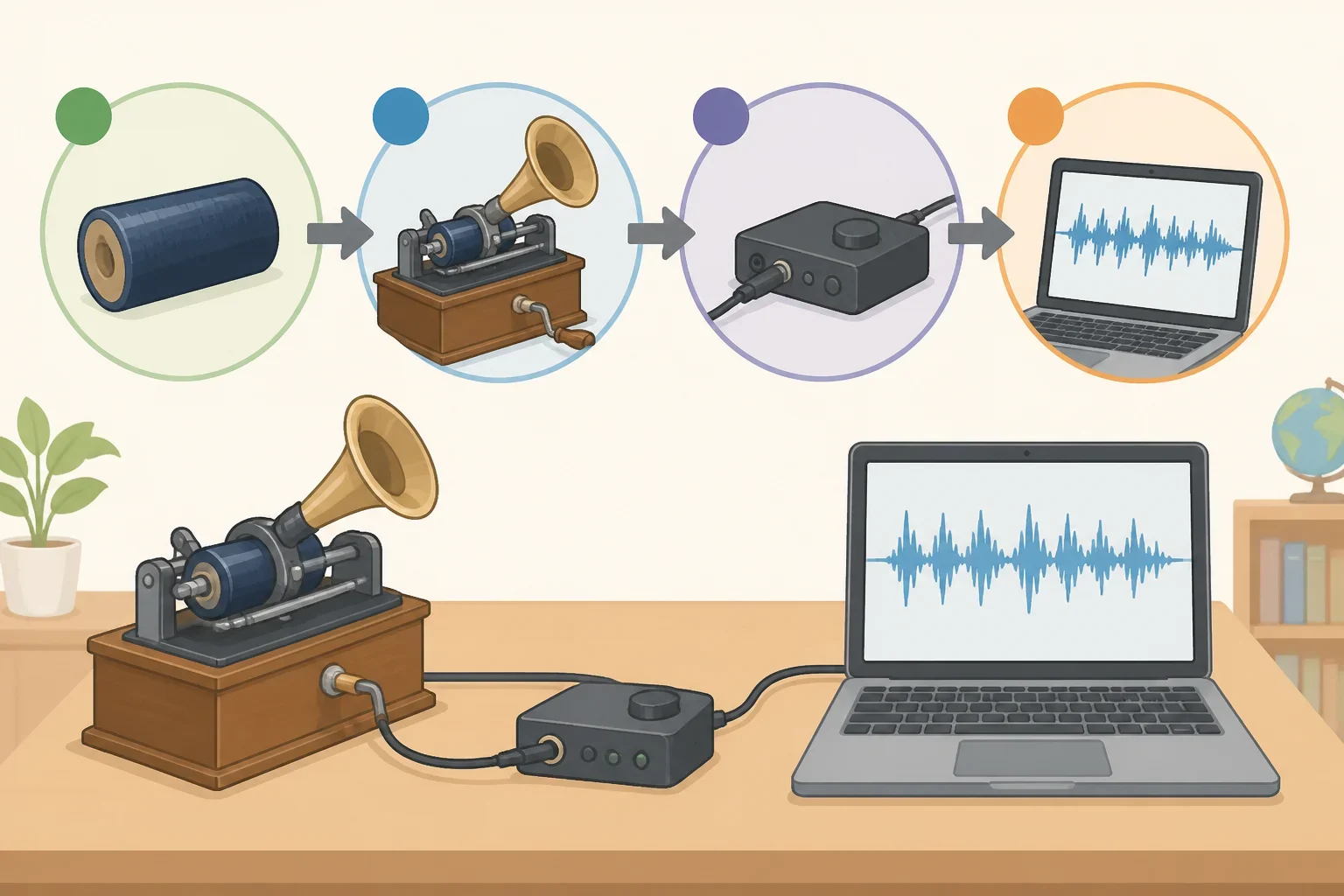
The Library of Congress hosted the premiere of "Language Is Life," an episode of the PBS series "Native America," in November 2023. The Library's American Folklife Center has worked with the Passamaquoddy tribe to preserve language and songs recorded on wax cylinders in the 1890s, using digital technology to make the fragile recordings usable again, according to Library of Congress Newsroom.
Library officials said Passamaquoddy language keepers Dwayne Tomah and Donald Soctomah have used those recordings to help revitalize language traditions, per the same announcement. The episode is narrated by former U.S. Poet Laureate Joy Harjo, an enrolled Muscogee (Creek) Nation member. That announcement documents a streaming window on PBS.org that ran through the 2023 observance of Native American Heritage Month, according to Library of Congress Newsroom. Check PBS.org directly for current availability before assigning the episode, since that specific window is three years old now.
This activity uses a source-selection protocol instead of an open-ended search. Start with a tribal nation's own education, language, or historic-preservation office website when one is publicly available, and name the specific people doing the work rather than an unnamed organization. Note any usage restriction listed on a recording or image; don't assume archival material is automatically cleared for classroom reuse.
The assigned product: a short profile naming the community, the leader or leaders involved, and the source consulted.
Students interested in related careers can look at the role of tribal historic preservation officer, a position Donald Soctomah was identified as holding in the 2023 announcement, according to Library of Congress Newsroom.
These four projects don't cover every nation or every kind of source, but they demonstrate a repeatable approach to Indigenous heritage activities for students that stays specific rather than generic.
Common mistakes to avoid
- Treating a tribe only as a historical subject, without a present-day source or example.
- Relying on generic worksheets or image searches instead of a named, sourced document or recording.
- Assuming archival material is automatically cleared for classroom reuse without checking its usage notes.
- Asking a Native student in class to represent or explain an entire community's history or views.
What to do next
Before assigning any of these Native American Heritage Month lesson plans, confirm whether a school or district has a required or recommended tribal nation to study, and check reading levels on any primary-source excerpt before handing it to students directly. The federal teacher-resource page also lists an interactive lesson, "A Cheyenne Odyssey," as another option beyond the four activities above, according to NativeAmericanHeritageMonth.gov. Where possible, connect the unit to a federally or state-recognized tribal nation with ties to the local area, so students end up researching a specific place instead of a generalized national story.