
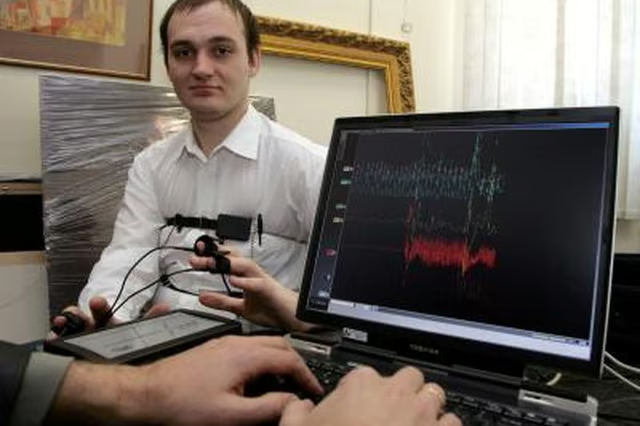


Polygraph examiners are trained in detecting deception via a polygraph machine, and may work with local police departments, federal agencies or in private settings examining people who want to prove the veracity of their own statements. Each state establishes its own licensing requirements for polygraph examiners. Typically, you don't typically have to have a college degree, although a strong educational background can prepare you for this demanding career.
College
You're not typically required to complete college to become a polygraph examiner, but classes in psychology, criminal justice and sociology can give you a broader understanding of human behavior that prepares you to excel in your career. Some polygraph examiner positions may require a bachelor's degree. For example, Central Intelligence Agency polygraph experts are required to have a bachelor's degree. Some states allow people pursuing certification to substitute a degree for experience. In Tennessee, polygraph examiners must have either a bachelor's degree or five years of investigative experience within the state.
Investigative Experience
Polygraph examiners often have worked in previous positions, such as in law enforcement or as therapists. Previous experience investigating deception and human behavior can improve your prospects in the field and is often a prerequisite for certification. In Michigan, for example, polygraph examiners must complete an internship with a focus on investigation and lie detection prior to becoming licensed. College enrollment can help you get the experience you need because you may be able to get an internship or get a professor to mentor you.
Certification
Before you can practice as a polygraph examiner, you'll have to become licensed in your state. In states such as Michigan, this means taking a certification exam demonstrating that you have the requisite skills. In other states, you'll have to demonstrate experience and show that you've attended a certified program. There's generally a licensing fee when you file your application.
Continuing Education
After you get your polygraph examiner license, you'll have to remain aware of new developments and research in your field, and will have to complete continuing education hours. In Tennessee, for example, polygraph examiners must get 24 hours of continuing education courses every two years. These courses have to be state accredited, but may be taught by a wide variety of organizations.