
Sonos September 2026 Product Event: What's Confirmed So Far
Engadget reports that Sonos is planning a September event at which it will make new product announcements (Engadget, reported today). The supplied reporting confirms only two details about the Sonos September 2026 product event: an event is coming, and new announcements will accompany it. No specific product, date within September, or feature tied to the event appears in the research reviewed for this article.
This kind of story, a real report from a named outlet describing something still developing, comes up constantly in current-events summaries, research responses, and media-literacy assignments for middle school, high school, and college students. The task isn't predicting what Sonos will announce. It's writing a sentence about the story that says only what the source supports.
This piece uses the Sonos report as a working example: what Engadget's reporting establishes, what earlier Sonos announcements add as context, and how to cite a developing story without overstating it.
What Engadget's report on the Sonos September 2026 product event confirms
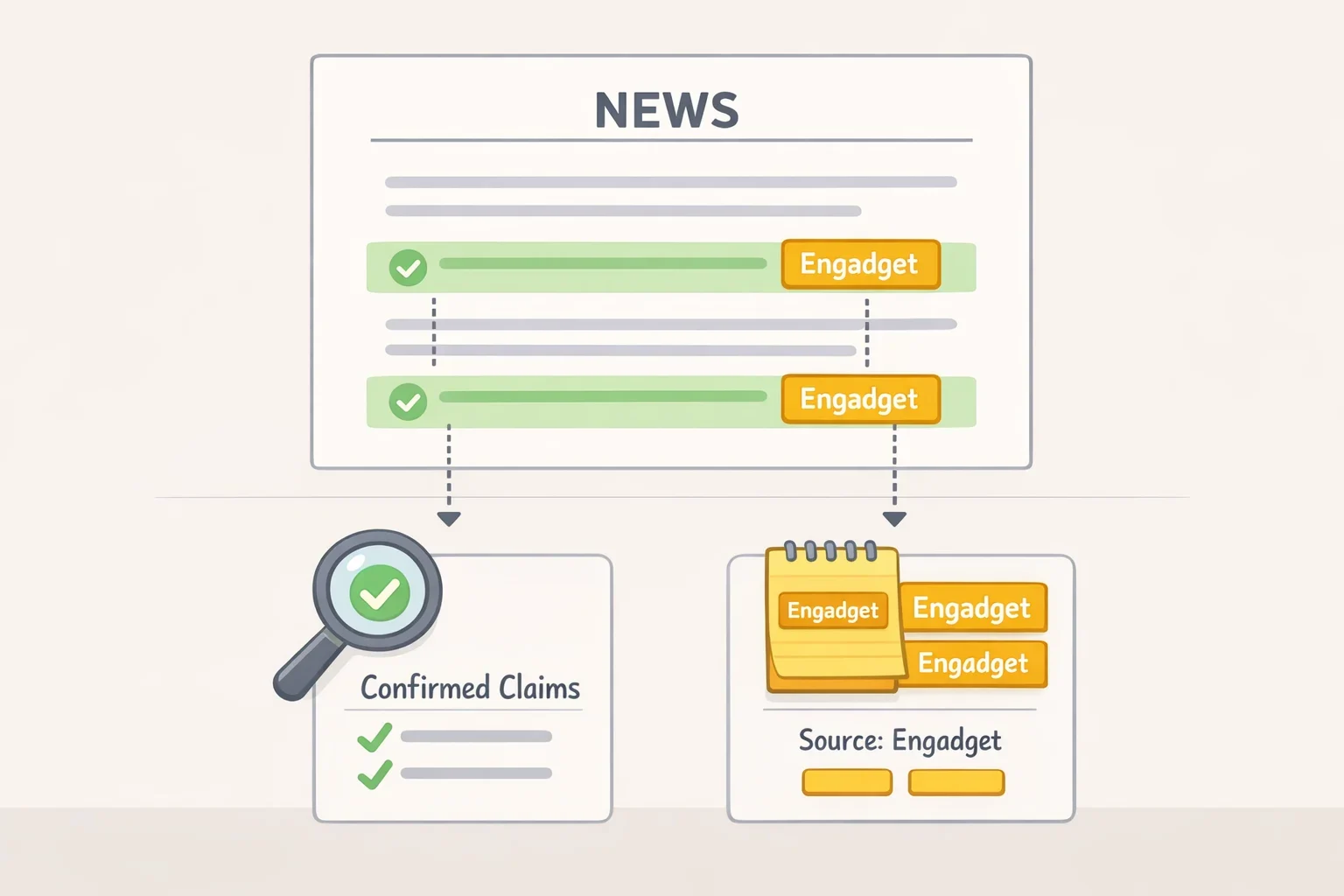
Engadget's report attributes two specific claims to Sonos: a September event is planned, and new product announcements will be part of it (Engadget). Engadget also notes that Sonos has spent 20 years building its speaker system (Engadget).
The Engadget URL includes "ai," but the supplied reporting facts identify only a September event and new product announcements. The available reporting does not support naming an AI speaker, app overhaul, or subscription tier. A summary that states any of those as confirmed goes further than the source does.
Recent Sonos product context: March 2026 launch and Strata-Gee's report
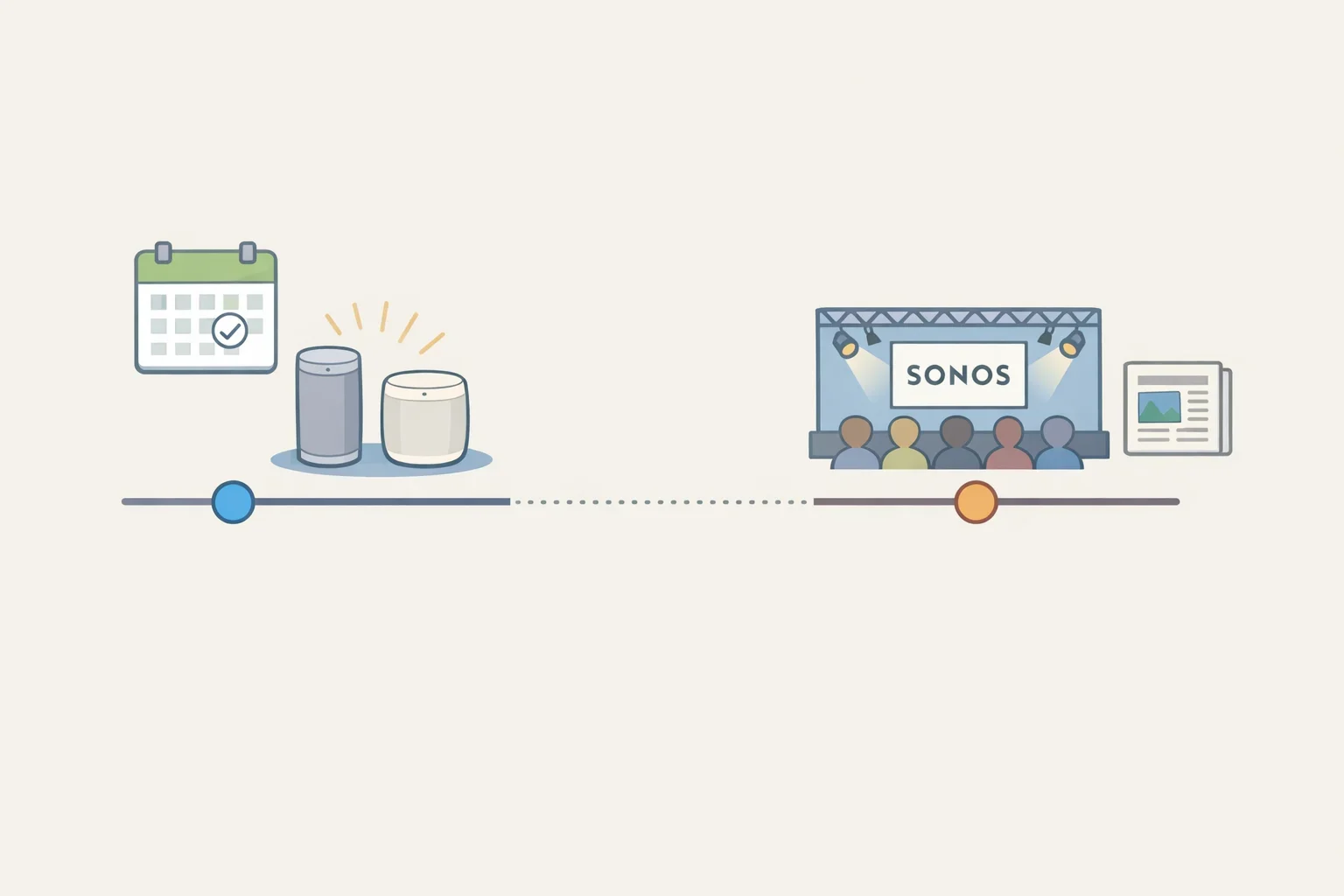
The September event follows an active stretch for Sonos this year. In March, Sonos introduced two speakers, the Sonos Play and the Sonos Era 100 SL, and that launch offers context for the September announcement, though it doesn't confirm what the new event will include.
Sonos opened preorders for both speakers on March 10, 2026, priced at $299 for the Play and $189 for the Era 100 SL, with general availability following on March 31, 2026 (Sonos Newsroom). Sonos described the launch as "a renewed focus on strengthening the Sonos system" (Sonos Newsroom).
Around the same time, Strata-Gee attributed a statement to Sonos saying that more products were planned later in the year, alongside the announcement of a product called Amp Multi (Strata-Gee, earlier this year). That statement comes from Strata-Gee's coverage of a company comment, so it belongs in citation notes as attributed reporting rather than a fact confirmed independently.
Together, these details provide context for why a September event is plausible. They do not confirm what will be announced.
How to cite a developing story like this one
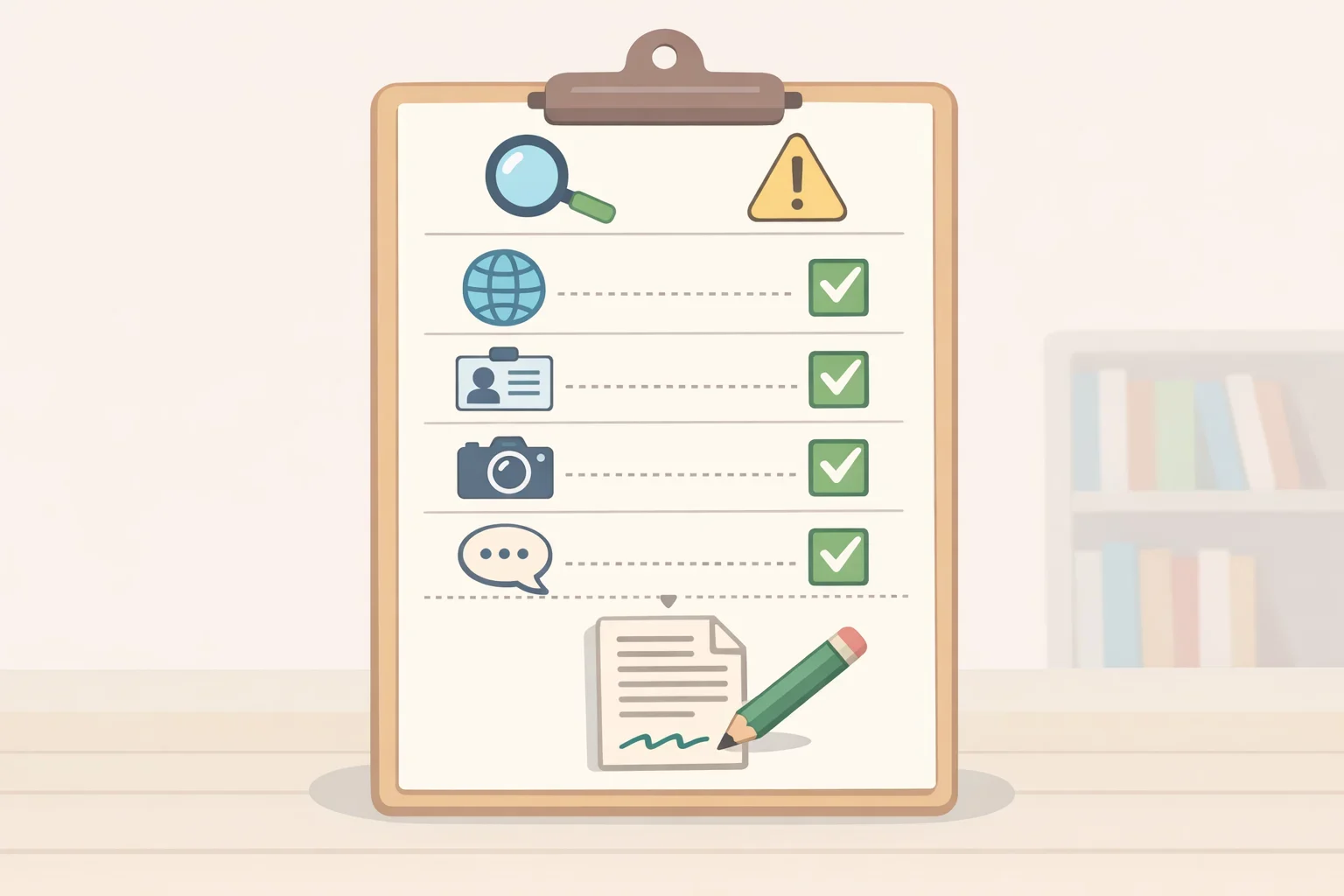
A report about a future event may not include all details available later. Before citing a claim like this one in a summary or research response, four checks keep a citation accurate.
- Identify the specific claim the source states, not a broader assumption about the topic. The claim here is that Sonos is planning a September event with new announcements, not that Sonos will launch an AI product.
- Read the article text, not only the headline or URL. A URL slug can reflect an outlet's framing of a story rather than a detail confirmed inside the article.
- Note who is speaking, the outlet or the company, and the publication date. Engadget's report published today, well ahead of any September event.
- Mark anything beyond the source's wording as inference, using language such as "may" or "is expected to" rather than stating it as settled fact.
Citation requirements vary by teacher, class, and assigned style guide, so check the assignment sheet before finalizing anything. Use the elements the assigned style guide requires; online-news citations commonly include the outlet, article title, publication date, and URL.
A citation credits the source. A separate sentence, written in a student's own words, states what the source establishes and what it leaves out: "Sonos plans to hold a product event in September and announce new products, according to Engadget. The report does not name a specific product, date, or feature." Keeping the citation and that explanatory sentence separate keeps a summary accurate without implying the source says more than it does.
A short checklist helps before treating any of this as settled:
- Keep the claim attributed to Engadget by name, rather than restated as a fact confirmed by Sonos itself.
- Sonos used its Newsroom to announce the March launch; checking that channel before September may surface an update (Sonos Newsroom).
- If a second outlet later reports the same September details independently, that carries more weight as a reporting standard than one report repeated elsewhere; check for one if the assignment calls for current information.
- Record the date each source was checked, especially if the citation style requires an access date.
Next step
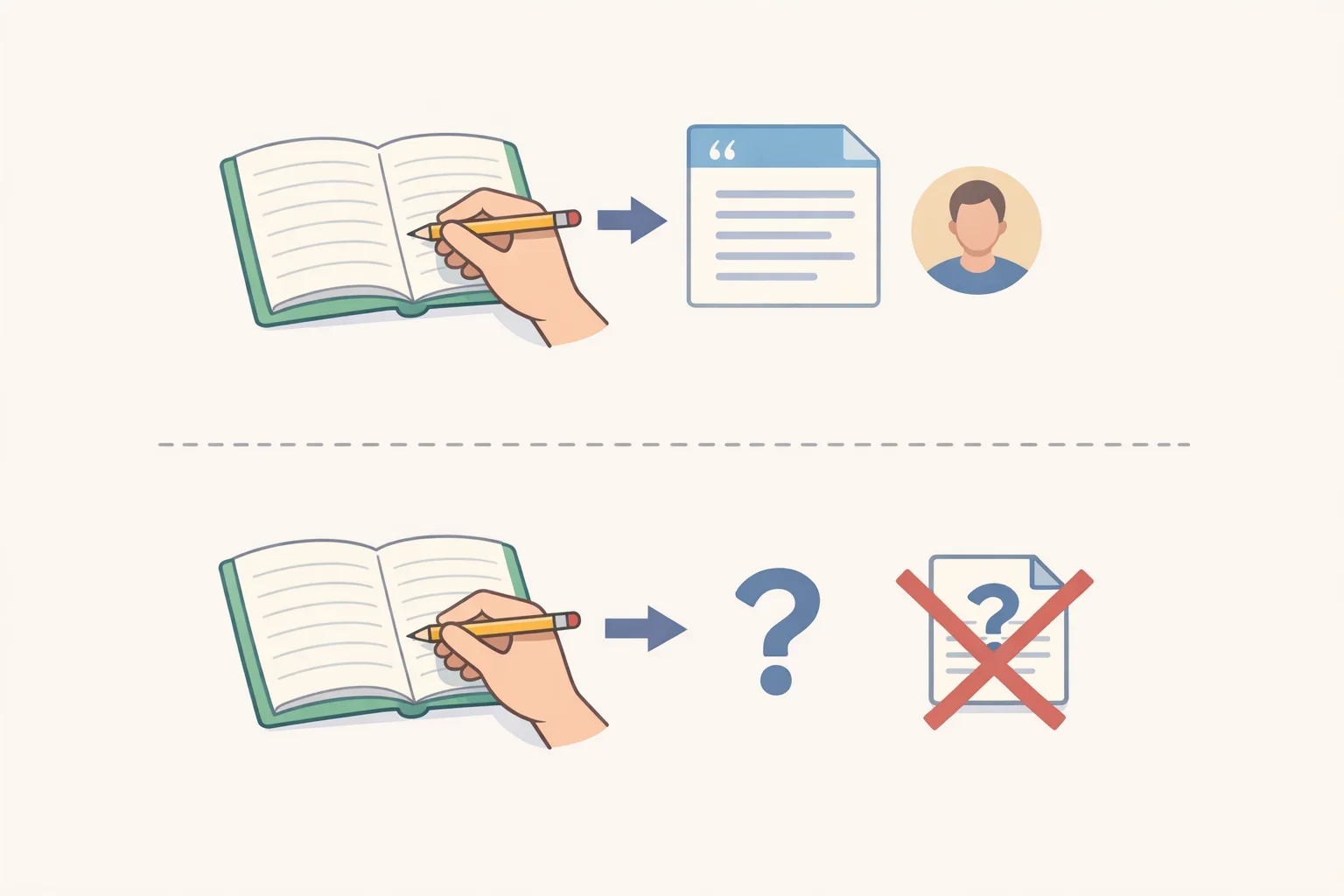
Before citing the Sonos September 2026 product event in a summary or research response, write the claim in your own words, name Engadget as the source, and add one sentence stating what the report does not establish. Then check Sonos's Newsroom for any update before the assignment is due, and confirm with the assigned style guide whether an access date is required for a story that's still developing.