
Albert Bandura developed the Observational Learning Theory based on the idea that people can learn through observation rather than direct experience. Infants modeling the behavior of adults is one of the most basic examples of the observational theory.
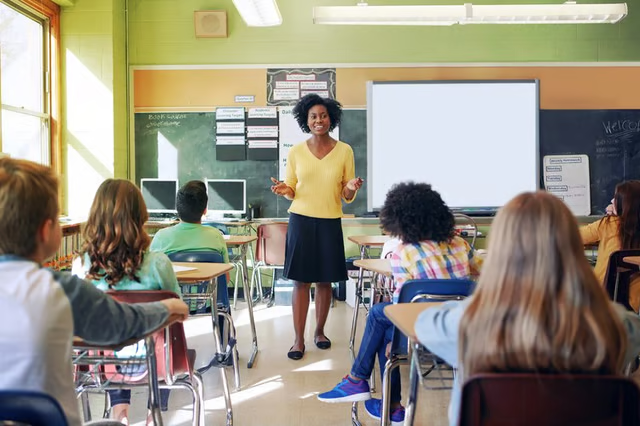
Within the classroom, educators can act as a model for their students. The observational theory can be particularly valuable in a classroom setting because it can help educators reach many students and convey a central message.
Here's a step-by-step guide on how teachers can apply observational learning techniques to improve student learning outcomes, produce desired behaviors and enhance student motivation and self-perception.
Environmental factors can affect the outcome of modeling techniques. Minimize the effects of other sensory stimuli that are under your control. You may want to close classroom doors to lessen auditory interference, for example.
For modeling to be effective, students must first pay close attention to the model. Models who are relatable, seem competent, and prestigious will receive greater attention than those who do not exhibit these qualities. In addition, students pay more attention to models who exhibit their own personal characteristics. Because of this tendency, you may want to provide a variety of models (teachers, students, males, females, etc.) to ensure students can identify with one or more of the models.
By explaining the behaviors and the consequences, you reinforce the ideas presented by the model. Telling your students what has happened and why will help them to retain the lesson. Through verbal explanation, you aid their ability to code the information and increase the likelihood that they will be able to reproduce the targeted behavior.
Your students probably will not be able to reproduce a symphony after watching a master musician. However, observational learning should help them perform better while learning the basics. Once your students have a solid basic skill set, they can master more complex skills in the same manner.
Reward your students for reaching the goals you have established. Through positive reinforcement of the behaviors you want them to develop, you increase the likelihood that students will perform those actions again. Reward good behavior with praise or recognition. When you have created a cycle of success for students, they will likely repeat the behaviors on their own without prompting.
Once you have allowed your students to reach attainable goals and receive genuine praise for them, they see themselves as more competent. This confidence leads them to more successful behavior in the future. As a result of this positive cycle, your students learn to self-regulate their behavior.