
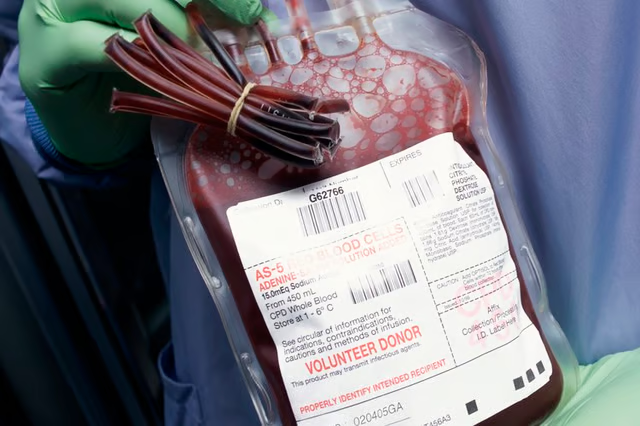


Phlebotomy, also known as venesection, is a medical practice of opening a vein to either withdraw or infuse blood. This includes standard blood transfusions, tests and procedures. While most Americans find these procedures typical, controversy surrounds these practices in many cultures and religions. The main conflict lies between people with religious beliefs against phlebotomy and the medical practitioners who are aware of the importance and value of blood transfusions and other blood-related measures. Some cultures are strongly against any form of phlebotomy, while others have rules regulating the procedures. The medical world is trying to find the balance between upholding their patients' beliefs and protecting their lives at the same time.
What's The Issue?
Blood holds different significance to people of varying cultures. While some view blood as a symbol of death, others see it as a life-giving substance. Ancient Egyptians would drain the blood and other bodily fluids from the body, preserving them in jars for the journey to the next world. Conversely, Jews and Muslims bury their dead wholly in tact, including all organs and blood.
Jehovah's Witnesses Take On Phlebotomy
Jehovah’s Witnesses do not receive standard blood transfusions. This is based on passages in the Bible that state blood may not be eaten, and that blood is meant to atone for sins and only the blood of Jesus is meant to give life. Jehovah’s Witnesses consider this a matter of spiritual importance, gladly sacrificing their physical being for their moral beliefs.
Other Religious or Cultural Issues With Phlebotomy
Christian Scientists also do not accept blood transfusions and other forms of medical interventions. Muslims have a strict policy that the phlebotomist must be of the same gender as the patient. Sikhism only allows blood to be taken from a non-dominant hand or arm. Other religious or cultural issues that often come up include not wanting to expose certain areas of the skin or removing certain ceremonial ornaments or garments.
Phlebotomy In Modern Times
Physicians and medical departments are becoming more aware of the various religious accommodations that are requested. Staff are now better educated about cultural beliefs, and centers and hospitals are slowly becoming more equipped to handle these situations. By informing the staff and taking certain basic preparatory steps such as allowing a hospital liaison committee and bloodless surgery, some medical centers are already well on their way to accommodating the majority of issues that may come up. A patient that is of sound mental health has the right to refuse or request certain medical methods. Practitioners are asked to conduct themselves with an attitude of acceptance and respect for other people's beliefs and cultures.